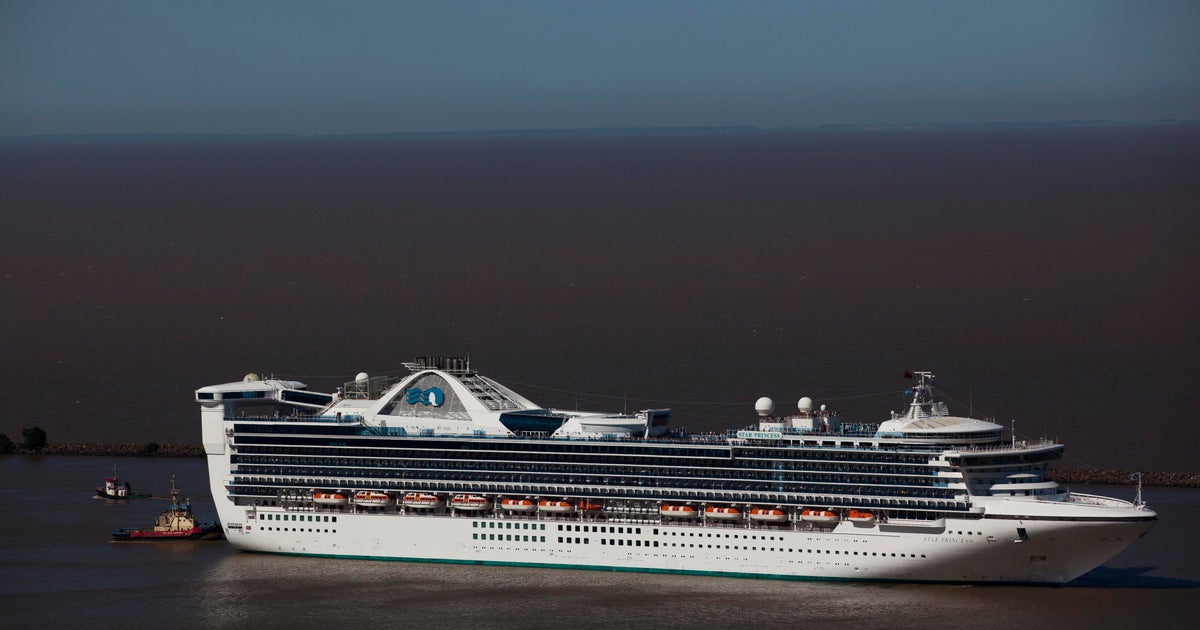
Norovirus Outbreak Strikes Princess Cruises’ Star Princess, Sickening Over 150
A norovirus outbreak has impacted passengers and crew aboard the Star Princess cruise ship, resulting in more than 150 reported illnesses during a recent Caribbean voyage. The Centers for Disease Control and Prevention (CDC) confirmed the outbreak, highlighting the persistent challenge of managing infectious diseases within the close confines of cruise travel. This incident underscores the importance of robust sanitation protocols and swift response measures to mitigate the spread of illness at sea, a concern that has been amplified in recent years following several similar outbreaks across major cruise lines.
According to the CDC, a total of 104 passengers and 49 crew members experienced symptoms consistent with norovirus infection during the voyage, which ran from March 7 to March 14, 2026. This represents approximately 2.4% of the 4,307 passengers and 3.1% of the 1,561 crew members onboard. The outbreak was initially reported to the CDC’s Vessel Sanitation Program (VSP) on March 11, several days into the cruise, prompting a coordinated response from both Princess Cruises and the health agency. The Star Princess had departed from Fort Lauderdale, Florida, and visited ports in Honduras, Belize, and the Mexican Riviera before returning to its origin port.
Norovirus is a highly contagious virus that causes gastroenteritis, commonly known as the “stomach bug.” The primary symptoms, as experienced by those affected on the Star Princess, include diarrhea and vomiting. While typically unpleasant and debilitating for those infected, norovirus is generally not life-threatening, though it can lead to dehydration, particularly in vulnerable populations like young children and the elderly. The virus spreads easily through contaminated food, water, and surfaces, as well as through close contact with infected individuals, making cruise ships potential hotspots for outbreaks.
Responding to the Outbreak: Measures Taken by Princess Cruises and the CDC
Princess Cruises and the ship’s crew acted swiftly to contain the outbreak, implementing their established outbreak response plan. This plan, as outlined to the CDC, included a significant increase in cleaning and disinfection procedures throughout the vessel. Crew members diligently collected stool samples from individuals exhibiting symptoms for laboratory testing to confirm the presence of norovirus. Those who fell ill were promptly isolated to prevent further transmission, a critical step in controlling the spread of the virus.
The CDC’s Vessel Sanitation Program (VSP) is actively involved in the response, conducting a comprehensive field assessment and outbreak investigation. This assessment aims to evaluate the effectiveness of the ship’s sanitation practices and identify any potential areas for improvement. The VSP, established to assist the cruise industry in preventing and controlling gastrointestinal illnesses, plays a crucial role in ensuring the health and safety of passengers and crew. The program’s involvement signals a serious approach to understanding the outbreak’s origins and preventing similar incidents in the future.
Recent Trends in Cruise Ship Outbreaks
The outbreak on the Star Princess is not an isolated incident. Norovirus outbreaks, and other gastrointestinal illnesses, are unfortunately relatively common on cruise ships, particularly those operated by large cruise lines. In early January 2026, a Holland America Line ship experienced an outbreak that sickened over 80 people after departing from Fort Lauderdale, Florida, according to the CDC. CBS News reported on the Holland America outbreak, highlighting the ongoing risk of infectious diseases in the cruise industry.
Further illustrating this trend, in February 2026, an outbreak of an unidentified gastrointestinal illness affected 27 passengers aboard the Regent Seven Seas Explorer during a voyage from Miami to Honolulu. CBS News too covered this incident, demonstrating the broad scope of these outbreaks across different cruise lines and destinations. These recent events underscore the need for continued vigilance and proactive measures to protect the health of cruise passengers and crew.
Understanding the Vessel Sanitation Program
The CDC’s Vessel Sanitation Program (VSP) is a cornerstone of cruise ship health and safety. Established in the 1970s, the VSP conducts unannounced inspections of cruise ships operating in U.S. Waters, evaluating their adherence to sanitation standards. These inspections cover a wide range of areas, including food handling, water quality, medical facilities, and overall cleanliness. Ships receive scores based on their performance, and those failing to meet standards are subject to corrective actions. The VSP also investigates outbreaks of gastrointestinal illnesses, providing guidance and support to cruise lines in implementing effective control measures.
The program’s effectiveness relies on a combination of regular inspections, outbreak investigations, and collaboration with the cruise industry. While the VSP has been credited with improving sanitation standards on cruise ships, outbreaks still occur, highlighting the challenges of maintaining a consistently high level of hygiene in a complex and mobile environment. The ongoing monitoring and assessment conducted by the VSP are essential for identifying potential risks and ensuring the health and safety of those traveling on cruise ships.
Protecting Yourself from Norovirus on Cruise Ships
While cruise lines implement various measures to prevent the spread of norovirus, passengers can also capture proactive steps to protect themselves. The CDC recommends frequent and thorough handwashing with soap and water, especially after using the restroom and before eating. Using hand sanitizer with at least 60% alcohol can also be effective when soap and water are not readily available. Passengers should also be mindful of food and water safety, consuming only properly prepared and stored food and drinking bottled water when possible.
Avoiding close contact with individuals who are exhibiting symptoms of illness is another important preventative measure. If you commence to experience symptoms of norovirus, such as diarrhea or vomiting, it is crucial to notify the ship’s medical staff immediately and isolate yourself to prevent further spread. Following these simple precautions can significantly reduce your risk of contracting norovirus and ensure a healthier and more enjoyable cruise experience.
As of March 12, 2026, the CDC continues its investigation into the outbreak aboard the Star Princess. The agency is working closely with Princess Cruises to assess the situation and implement any necessary additional measures to control the spread of the virus. Passengers who may have been exposed are encouraged to monitor their health and seek medical attention if they develop symptoms. The CDC will provide updates as more information becomes available.
The incident serves as a reminder of the inherent risks associated with travel, particularly in enclosed environments. While cruise lines are committed to providing a safe and enjoyable experience for their passengers, outbreaks of infectious diseases can occur despite best efforts. Staying informed, practicing good hygiene, and following the guidance of health officials are essential for protecting yourself and others while traveling.
Key Takeaways:
- A norovirus outbreak sickened over 150 people aboard the Princess Cruises’ Star Princess during a Caribbean voyage in March 2026.
- The CDC is actively investigating the outbreak and working with Princess Cruises to implement control measures.
- Norovirus outbreaks are relatively common on cruise ships, highlighting the need for robust sanitation protocols and passenger awareness.
- Passengers can protect themselves by practicing frequent handwashing, being mindful of food and water safety, and isolating themselves if they experience symptoms.
The CDC’s Vessel Sanitation Program will continue to monitor the situation and provide updates as the investigation progresses. Passengers and crew are encouraged to report any symptoms of illness to the ship’s medical staff. For more information on norovirus and cruise ship sanitation, please visit the CDC’s Vessel Sanitation Program website.
Have your own experiences with cruise ship health and safety? Share your thoughts in the comments below, and please share this article with anyone planning a cruise in the near future.
Worth a look