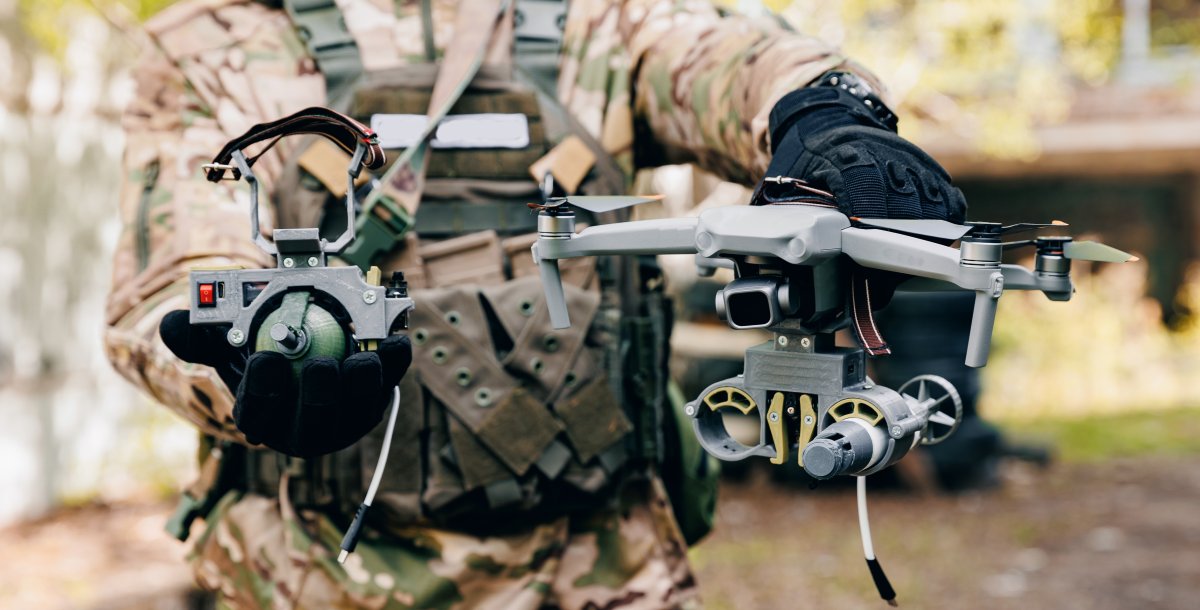
San Francisco, CA – As Ukraine continues to defend against nightly Russian drone attacks, a new strategy is emerging from Kyiv: leveraging its hard-won expertise in drone warfare as a diplomatic tool. Ukrainian President Volodymyr Zelenskyy has dispatched specialized teams to the Middle East – specifically to Qatar, the United Arab Emirates, Saudi Arabia, and a U.S. Base in Jordan – to demonstrate effective counter-drone tactics, with a clear expectation of reciprocal support in the form of funding and advanced technology. This move underscores a growing recognition of Ukraine’s unique position in modern drone warfare and its willingness to capitalize on that knowledge.
The conflict in Ukraine has become a proving ground for drone technology and counter-drone strategies. Both Russia and Ukraine have extensively deployed unmanned aerial vehicles (UAVs) for reconnaissance, attack, and electronic warfare. This intense, real-world experience has given Ukrainian forces a significant edge in understanding how to defend against drones, particularly the Iranian-made Shahed drones that have become a prominent feature of the conflict. The ability to effectively neutralize these threats is now being offered as a valuable service to nations in the Middle East facing similar challenges.
According to a report by Reuters on March 15, 2026, Zelenskyy articulated the rationale behind this diplomatic initiative, stating that “both technology and financing are important for us today.” He emphasized the potential for long-term drone agreements with Gulf states, signaling a desire to establish sustained partnerships built on mutual benefit. While the specifics of what Ukraine seeks in return remain undisclosed, Zelenskyy was clear that the initiative is not about direct involvement in regional conflicts. “This is not about participating in operations. We are not at war with Iran,” he stated.
(Bild: Parilov / Shutterstock.com)
A Cost-Effective Approach to Drone Defense
The appeal of Ukrainian expertise lies in its cost-effectiveness. Gulf states have been expending significant sums on expensive air defense missile systems to intercept Iranian Shahed drones. Ukraine, however, has demonstrated the ability to neutralize drones using a combination of smaller interceptor drones and electronic warfare techniques – a considerably cheaper approach. This disparity has sparked international interest, with Zelenskyy noting that the United States, European nations, and African countries have also sought assistance. However, former U.S. President Donald Trump reportedly stated that Washington does not require Ukrainian assistance in countering drones.
Zelenskyy also voiced concerns about unauthorized attempts by Ukrainian companies and foreign governments to profit from anti-drone technology without Kyiv’s consent. He specifically mentioned a proposed drone deal with the United States, valued between $35 and $50 billion, that remains unsigned as of March 15, 2026. This highlights a tension between Ukraine’s desire to control the dissemination of its expertise and the international demand for effective drone defense solutions.
Geopolitical Implications and Stalled Peace Talks
Beyond the immediate technological exchange, Ukraine’s diplomatic outreach is occurring against a backdrop of heightened geopolitical instability. The ongoing conflict in the Middle East is raising concerns in Kyiv about potential disruptions to its air defense supplies and the broader peace process. Zelenskyy expressed apprehension that the United States might divert its attention and resources away from Ukraine due to the escalating crisis in the Middle East, stating, “We would very much regret it if the United States were to turn away from the issue of Ukraine given that of the Middle East.”
These fears are not unfounded. Planned peace negotiations, initially scheduled for early March in Abu Dhabi, were reportedly postponed following what were described as violations of international law during U.S.-Israeli operations in Iran. Washington subsequently proposed a meeting in the United States, but Russia rejected the proposed location. Kaja Kallas, the EU’s High Representative for Foreign Affairs and Security Policy, confirmed to the Financial Times that “America’s attention is currently focused on the Middle East.”
Russia’s Gains and European Pressure
Meanwhile, Moscow appears to be benefiting from the shifting geopolitical landscape. According to EU diplomats, rising oil prices driven by the conflict in the Middle East are generating an estimated $150 million in additional daily revenue for the Kremlin. The United States has reportedly eased sanctions and reduced pressure on India to refrain from purchasing Russian oil. Dmitri Peskov, a spokesperson for the Kremlin, acknowledged the pause in negotiations, stating, “The Americans have other priorities, and that is understandable.”
European leaders are attempting to counteract this trend. French President Emmanuel Macron recently hosted Zelenskyy in Paris to mitigate what has been termed the “eclipse effect” of the Middle East crisis on Ukraine. German Chancellor Friedrich Merz advocated for increased pressure on Moscow during a visit to the White House, though reports indicate that former President Trump was largely unresponsive. Despite these challenges, Zelenskyy maintains a cautiously optimistic outlook, with the Ukrainian military reportedly assessing that a planned Russian spring offensive has “already failed.”
The situation underscores the complex interplay between regional conflicts and global power dynamics. Ukraine’s ability to leverage its expertise in drone warfare represents a novel approach to diplomacy, but its success hinges on maintaining international attention and securing tangible support amidst competing geopolitical priorities. The coming weeks will be critical in determining whether Kyiv can translate its battlefield experience into sustained diplomatic and material gains.
Related reading