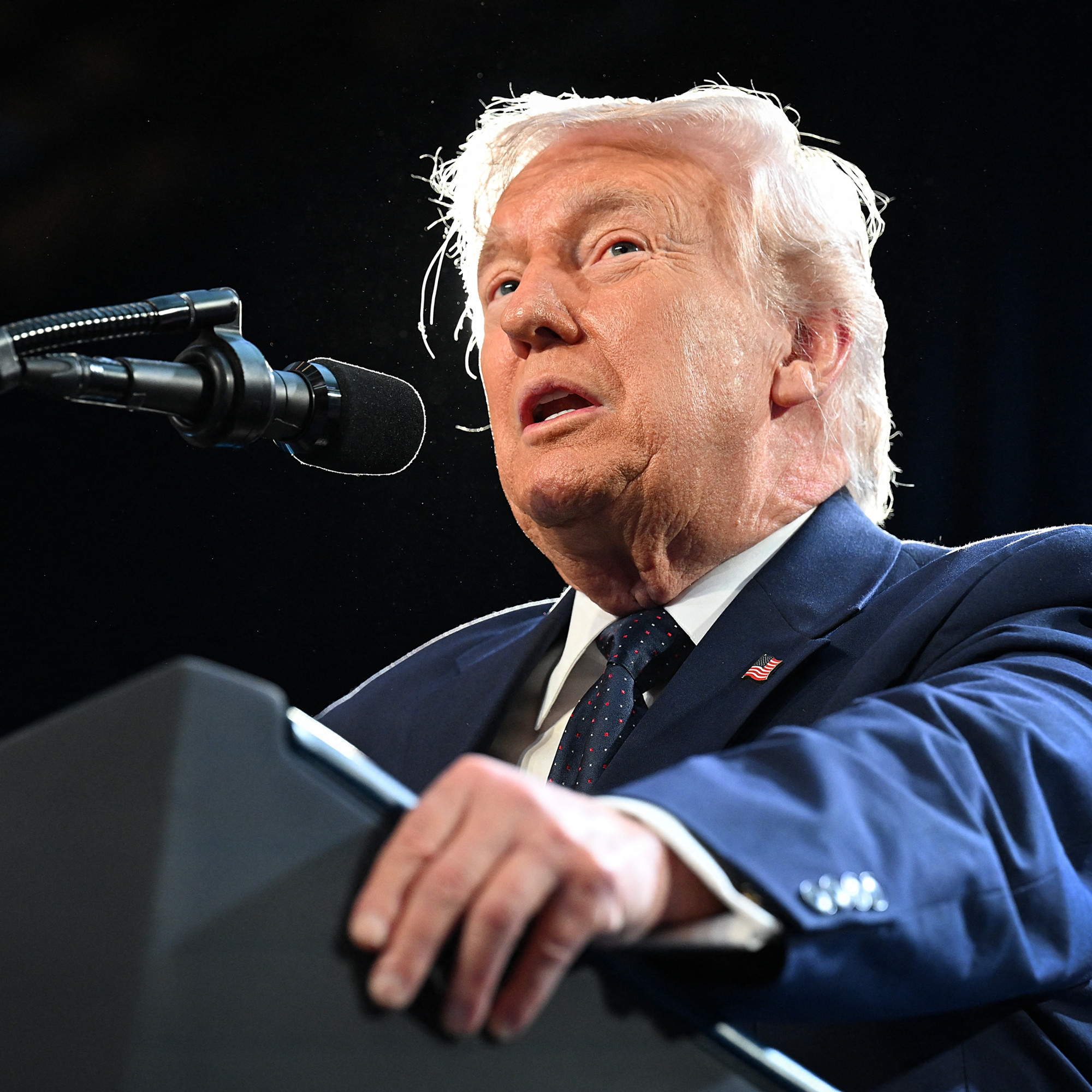
London, United Kingdom – Concerns are mounting over the stability of global shipping lanes as the United States and the United Kingdom coordinate efforts to address the disruption to maritime traffic through the Strait of Hormuz. The critical waterway, vital for the transport of approximately 20% of the world’s oil supply, has faced increasing obstruction following escalating tensions in the Middle East and recent military actions involving Iran, the US, and Israel. Prime Minister Keir Starmer and US President Donald Trump discussed the “importance of reopening the Strait of Hormuz” during a phone conversation on Sunday, Downing Street confirmed.
The discussions come as Iran continues to impede passage through the strait, a move widely seen as a retaliatory measure against US and Israeli military operations. The blockage is having a significant impact on global supply chains and is driving up energy prices worldwide. According to reports, several ships have been attacked while attempting to navigate the narrow passage, and there are fears that Iran has deployed mines to further hinder shipping. The situation is prompting international calls for a resolution to ensure the free flow of commerce through this strategically important chokepoint.
Trump Calls for International Coalition to Secure Strait of Hormuz
President Trump has urged nations reliant on oil transported through the Strait of Hormuz to contribute to securing the waterway, specifically naming China, France, Japan, South Korea, and the United Kingdom. As reported by the BBC, Trump’s call for assistance came a day after he initially urged the UK and other nations to send warships to the Gulf. The US President’s statement reflects a growing sense of urgency to prevent further escalation and maintain the stability of global energy markets.
The UK is actively considering options to address the crisis, including potential collaboration with the US and other allies. Energy Secretary Ed Miliband stated that the UK is examining “any options” to reopen the strait, according to the Evening Standard. This includes exploring the deployment of de-mining drones, as reported by a Cabinet minister, to counter potential threats posed by Iranian naval mines.
Starmer Expresses Condolences and Reaffirms Importance of Shipping Lane
During his conversation with President Trump, Prime Minister Starmer also expressed his condolences for the loss of American service personnel during the ongoing conflict in the Middle East. The Downing Street spokesperson confirmed that the two leaders “discussed the ongoing situation in the Middle East and the importance of reopening the Strait of Hormuz to end the disruption to global shipping, which is driving up costs worldwide.” They also agreed to maintain close communication as the situation evolves.
The disruption in the Strait of Hormuz is directly linked to the recent escalation of conflict following strikes against Iran. Iran’s Supreme Leader, Mojtaba Khamenei, has indicated that the country will continue to block the strait as a means of exerting political and economic pressure on the United States. This stance underscores the complex geopolitical dynamics at play and the challenges in finding a swift resolution to the crisis.
Economic Impact and Global Concerns
The closure, or even significant restriction, of the Strait of Hormuz has far-reaching economic consequences. The waterway is a crucial artery for global oil supplies, and any prolonged disruption could lead to substantial price increases and economic instability. The impact is not limited to energy markets; it also affects global trade and supply chains, potentially impacting a wide range of industries. The situation is particularly concerning for countries heavily reliant on Middle Eastern oil, including major economies in Asia and Europe.
The potential for further escalation remains a significant concern. The deployment of warships from multiple nations could inadvertently increase tensions and raise the risk of miscalculation. Diplomatic efforts to de-escalate the situation and find a peaceful resolution are therefore crucial. The international community is closely monitoring developments and urging all parties to exercise restraint.
Iran’s Strategic Significance of the Strait
The Strait of Hormuz, a narrow waterway connecting the Persian Gulf with the Gulf of Oman and the Arabian Sea, is one of the world’s most strategically important chokepoints. Its narrowest point is only 21 miles wide, making it vulnerable to closure. Iran controls the northern coast of the strait, giving it significant leverage over maritime traffic. Historically, Iran has threatened to close the strait in response to perceived threats or hostile actions, and the current situation represents a significant escalation of those threats.
The economic implications of a prolonged closure are substantial. Beyond oil, the strait is also a vital transit route for liquefied natural gas (LNG) and other commodities. Disruptions to these flows could have a cascading effect on global markets and economies. The situation highlights the vulnerability of global trade to geopolitical instability and the importance of maintaining open and secure shipping lanes.
International Response and Potential Solutions
The international response to the crisis has been multifaceted. In addition to the US and UK, other nations are considering their options for contributing to the security of the Strait of Hormuz. The formation of a multinational coalition, as suggested by President Trump, could provide a coordinated response to deter further disruptions. Though, the success of such a coalition would depend on the willingness of key players to participate and the establishment of clear rules of engagement.
Diplomatic efforts are also underway to de-escalate tensions and find a peaceful resolution. Negotiations between the involved parties are crucial to address the underlying causes of the conflict and prevent further escalation. The involvement of international organizations, such as the United Nations, could also play a vital role in facilitating dialogue and mediation.
The UK’s consideration of deploying mine-hunting drones represents a proactive step towards addressing the immediate threat posed by Iranian naval mines. These drones could help clear the strait of mines and ensure the safe passage of commercial vessels. However, the deployment of such technology would need to be carefully coordinated with other nations to avoid unintended consequences.
Recent Developments and Ongoing Monitoring
As of March 16, 2026, the situation in the Strait of Hormuz remains fluid and unpredictable. According to Agence France Presse, both the US and the UK continue to emphasize the importance of reopening the waterway to ensure the stability of global energy markets. The international community is closely monitoring developments and urging all parties to exercise restraint. Further discussions between world leaders are expected in the coming days as efforts to find a peaceful resolution continue.
The ongoing conflict and the disruption to shipping through the Strait of Hormuz underscore the interconnectedness of global economies and the importance of maintaining international security. The situation serves as a stark reminder of the potential consequences of geopolitical instability and the need for proactive diplomacy to prevent further escalation.
Key Takeaways:
- The Strait of Hormuz remains significantly disrupted due to Iranian actions, impacting global oil supplies.
- President Trump and Prime Minister Starmer discussed the urgent need to reopen the strait during a phone conversation.
- The UK is considering deploying de-mining drones and collaborating with the US and allies to secure the waterway.
- Iran maintains its stance of blocking the strait as a means of political and economic pressure.
- The economic consequences of a prolonged closure are substantial, affecting global trade and energy prices.
The situation in the Strait of Hormuz is expected to remain a focal point of international attention in the coming weeks. Further updates will be provided as they become available. Readers are encouraged to share their thoughts and perspectives on this critical issue in the comments section below.
Worth a look
- Prison Fathers Read to Children: Maintaining Bonds Through Storytelling
- PETA France Protests Animal Cruelty at Nîmes Slaughterhouse
- Major Crypto Hack: Security Breach Details and Impact (newsdirectory3.com)
- US Treasury Yields Fall as Scott Bessent Signals Possible Strait of Hormuz Deal (archyworldys.com)