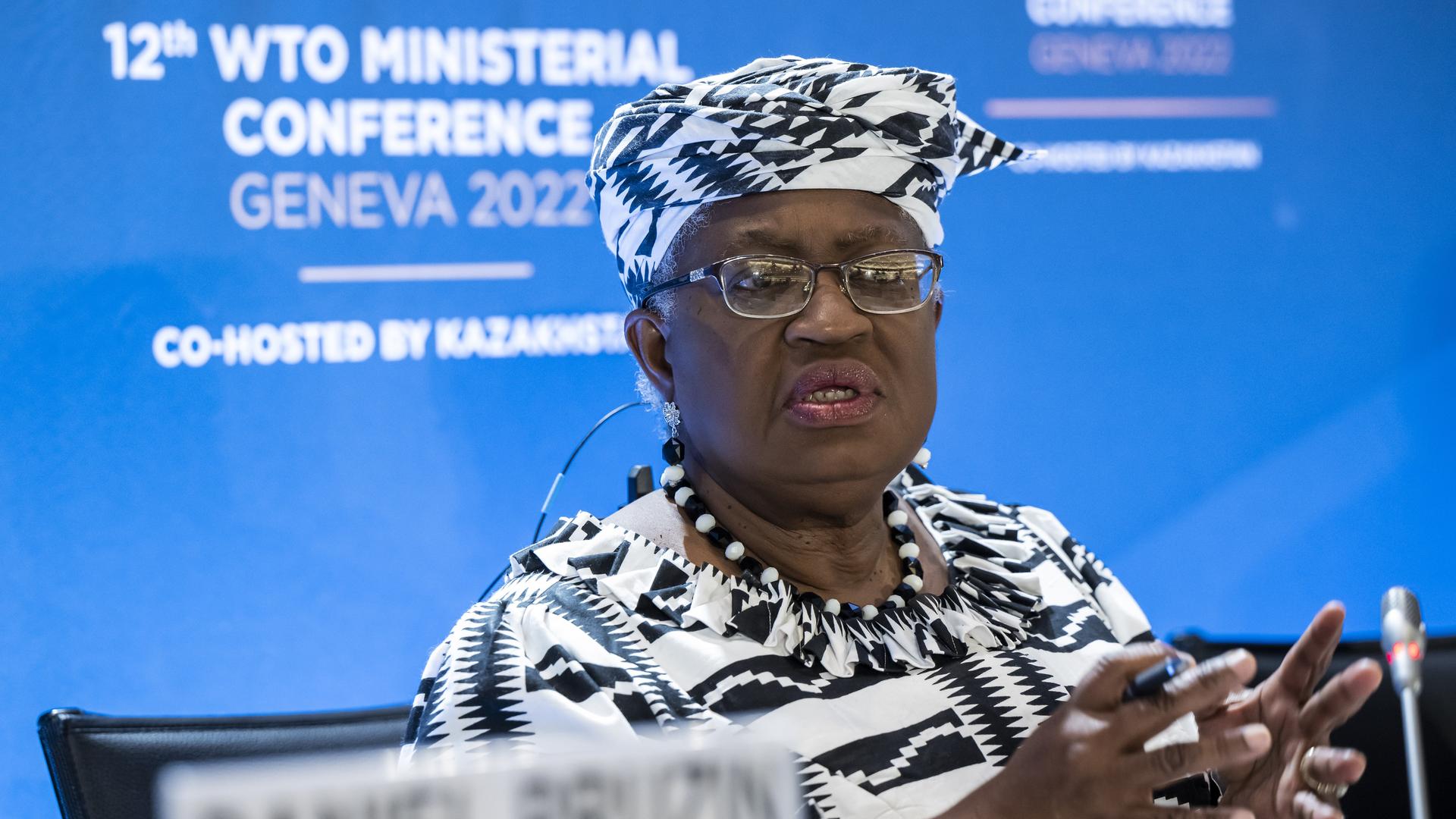
The global trading system is facing unprecedented strain, a reality underscored by Ngozi Okonjo-Iweala, Director-General of the World Trade Organization (WTO). In recent remarks, Okonjo-Iweala described the current geopolitical and economic landscape as exhibiting the “worst distortions” seen in the past 80 years. Despite these challenges, she maintains that the vast majority of global trade – approximately three-quarters – continues to flow under WTO rules, a testament to the enduring relevance of the organization’s framework.
Okonjo-Iweala’s assessment comes at a critical juncture for the WTO, an institution grappling with a multitude of pressures, including escalating trade tensions, geopolitical fragmentation, and the ongoing require for reform. The Director-General’s comments, initially reported by German broadcaster Deutschlandfunk on March 15, 2026, highlight the delicate balance between systemic vulnerabilities and the continued functionality of the multilateral trading system. Her leadership is focused on navigating these complexities and fostering a more resilient and inclusive global trade environment.
The State of Global Trade in 2026
While acknowledging the significant disruptions, Okonjo-Iweala emphasized the resilience of the WTO’s rules-based system. According to the WTO, global trade in goods reached $25.3 trillion in 2023, representing a 3.8% increase from the previous year. WTO statistics show that services trade also experienced growth, reaching $6.3 trillion. However, these figures mask underlying regional disparities and increasing protectionist measures.
The Director-General’s statement reflects a growing concern among policymakers and economists about the fragmentation of the global economy. The war in Ukraine, rising geopolitical tensions in the Middle East, and the increasing use of trade restrictions as tools of foreign policy have all contributed to a more uncertain and volatile trading environment. These factors are exacerbating existing challenges, such as supply chain disruptions and inflationary pressures.
US Role and the Need for WTO Reform
Notably, Okonjo-Iweala defended the United States’ role within the WTO, despite the often-contentious trade policies pursued during the presidency of Donald Trump. She stated that the WTO values the US as a member, signaling the importance of maintaining constructive engagement with Washington. This stance underscores the WTO’s efforts to navigate complex relationships with its key members and to avoid escalating trade disputes.
The Trump administration’s imposition of tariffs on steel and aluminum imports, as well as its challenges to the WTO’s dispute settlement system, created significant friction within the organization. While the Biden administration has adopted a more multilateral approach, concerns remain about the potential for future trade restrictions and the need to address long-standing issues with the WTO’s functioning. As the WTO website details, Okonjo-Iweala’s second four-year term, beginning September 1, 2025, is focused on driving these necessary reforms.
Okonjo-Iweala’s observation that WTO members are now more willing to tackle difficult reforms is a cautiously optimistic sign. For years, efforts to modernize the WTO have been hampered by disagreements over issues such as agricultural subsidies, intellectual property rights, and the dispute settlement mechanism. The appointment of a new Director-General and a renewed sense of urgency may create the momentum needed to overcome these obstacles.
Okonjo-Iweala’s Background and Leadership
Ngozi Okonjo-Iweala, born June 13, 1954, in Ogwashi Ukwu, Nigeria, brings a wealth of experience to her role as Director-General. She holds a Bachelor of Arts degree from Harvard University and a Master of Arts and Doctor of Philosophy degree from the Massachusetts Institute of Technology. Before joining the WTO in March 2021, she served twice as Nigeria’s Finance Minister (2003-2006 and 2011-2015) and briefly as Foreign Minister in 2006. She was the first woman to hold both positions in Nigeria.
Prior to her role at the WTO, Okonjo-Iweala held numerous positions on the boards of prominent organizations, including Danone, Standard Chartered Bank, and GAVI, the Vaccine Alliance. She also served as the African Union Special Envoy to mobilize international financial support for the fight against COVID-19 and the WHO Special Envoy for Access to COVID-19 Tools Accelerator. Her extensive experience in international finance and development has equipped her with a deep understanding of the challenges facing the global economy.
Key Takeaways
- Global Trade Resilience: Despite significant geopolitical and economic headwinds, approximately 75% of world trade continues to operate under WTO rules.
- WTO Reform Imperative: Okonjo-Iweala emphasizes the need for difficult but necessary reforms to modernize the WTO and address long-standing issues.
- US Importance: The WTO values the United States as a member, despite past trade disputes, and seeks continued engagement.
- Unprecedented Distortions: The current global economic landscape is characterized by the “worst distortions” in the last 80 years, requiring proactive solutions.
Okonjo-Iweala’s leadership is particularly noteworthy as the first woman and the first African to lead the WTO. Her appointment represents a significant step towards greater diversity and inclusivity within the organization. She has consistently advocated for a more equitable and sustainable trading system that benefits all members, particularly developing countries.
Looking ahead, the WTO faces a critical period. The organization’s ability to adapt to the changing global landscape and to address the challenges of trade fragmentation will be crucial for maintaining the stability and predictability of the international trading system. The next major checkpoint will be the WTO’s annual Public Forum, scheduled for September 2026, where members will discuss key trade policy issues and explore potential solutions.
What are your thoughts on the future of global trade? Share your insights and perspectives in the comments below. Don’t forget to share this article with your network to spark a wider conversation.
Worth a look