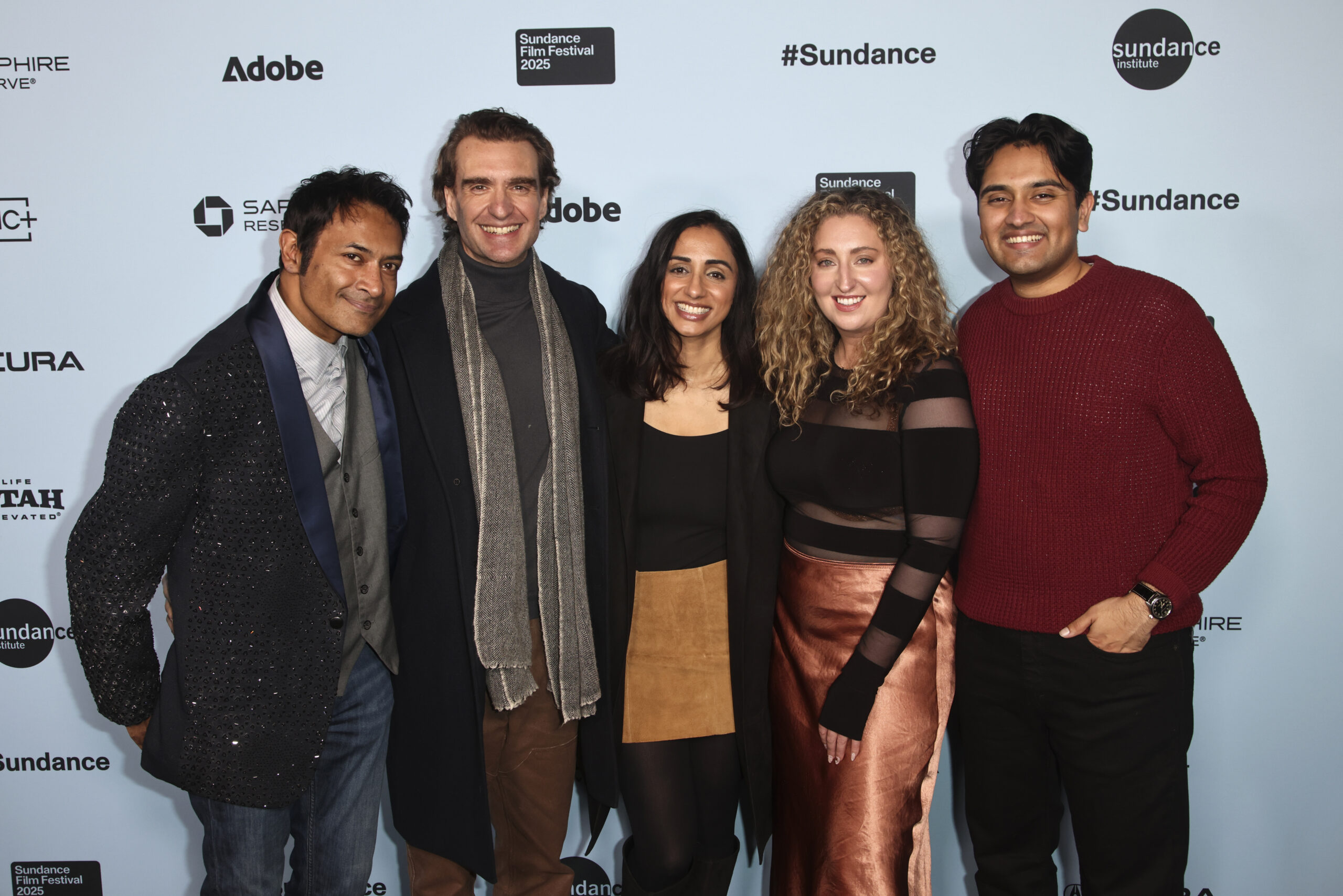
The zombie genre, often associated with gore and unrelenting dread, receives a refreshingly humanistic twist in Meera Menon’s 2025 film, Didn’t Die. Premiering at the Sundance Film Festival in January 2025 and released nationally on March 6, 2026, the black-and-white feature distinguishes itself not through elaborate special effects, but through its improvisational spirit and a focus on connection amidst societal collapse. The film, starring Kiran Deol as a podcast host navigating a world overrun by “biters,” explores themes of grief, memory, and the enduring power of community, resonating with audiences in a post-pandemic landscape still grappling with loss and isolation. Didn’t Die offers a unique perspective on the apocalypse, one where the search for human connection takes center stage.
Menon, who previously directed an episode of the popular television series The Walking Dead, approached the zombie narrative with a deliberate intention to subvert expectations. Rather than focusing solely on the horror of the undead, she aimed to create a story about what it means to be alive, even – and perhaps especially – when faced with unimaginable loss. The film’s co-writer and cinematographer, Paul Gleason, Menon’s husband, played a crucial role in bringing this vision to life, crafting a visually striking aesthetic that complements the film’s emotional core. The intimate, low-budget production, financed by the filmmakers themselves, fostered a collaborative environment where improvisation thrived, shaping the narrative in unexpected and poignant ways.
A Collaborative and Improvised Approach to the Apocalypse
The genesis of Didn’t Die was deeply personal for Menon and Gleason. As reported by NPR, the couple were weeks away from the Sundance premiere when their home in Altadena, California, was destroyed in the Eaton Fire in January 2025. This devastating experience unexpectedly mirrored the film’s themes of loss and displacement, adding a layer of emotional resonance to the project. The house itself appears in the film, used in flashback sequences as a representation of happier times before the apocalypse, a poignant echo of the filmmakers’ own recent trauma.
Kiran Deol, who plays the central character of Vinita, a podcast host desperately seeking connection in a crumbling world, described the filming process as liberating. “What was very cool about this process—because it was so many friends and the set was so minor—you got to do a lot of that on set and it was okay if it didn’t work,” Deol shared. This freedom to experiment and fail allowed for a level of authenticity and spontaneity that is often absent in more rigidly scripted productions. Menon actively encouraged improvisation, even “harassing” her cast to join the project before a formal script was finalized, fostering a sense of ownership and collaboration among the ensemble. The podcast format itself lent itself to this improvisational style, mirroring the often rambling and unstructured nature of long-form audio conversations. Deol playfully referenced Joe Rogan’s podcast as an example of this conversational style, acknowledging the inherent freedom and unpredictability of the medium.
Echoes of the Pandemic and the Search for Meaning
Didn’t Die taps into a collective cultural memory of the COVID-19 pandemic, reflecting the anxieties and experiences of isolation, uncertainty, and the re-evaluation of priorities. The film’s depiction of characters staying indoors, stocking up on supplies, and maintaining small, tightly-knit circles resonates with the realities of lockdown life. However, the film transcends mere replication, transforming these experiences into a “nostalgic nightmare” that explores the underlying fears and vulnerabilities exposed by the pandemic.
The narrative delves into the emotional toll of loss, following Vinita and her siblings as they navigate the apocalypse while grappling with the memories of their deceased parents. Interwoven “home movie” footage depicts the family’s past, creating a powerful contrast between the idyllic memories and the harsh realities of the present. As Vinita poignantly observes in the film, the definition of “making it” has shifted in a post-apocalyptic world, no longer equating to fame but simply to survival – to “being here.” This shift in perspective underscores the film’s central theme of finding meaning and connection in the face of overwhelming adversity.
Critical Reception and a Unique Voice in the Zombie Genre
Didn’t Die has garnered a generally positive reception from critics, earning a 61% approval rating on Rotten Tomatoes based on 41 reviews as of March 16, 2026. Rotten Tomatoes’ consensus describes the film as effectively mixing “lo-fi visuals, humor, and horror,” while acknowledging that its pacing and premise could be more refined. Josiah Teal of Film Threat praised the film as “a hopeful zombie narrative with more than a few heartwarming moments,” highlighting its ability to balance gruesome elements with genuine emotional depth. Michael Dunaway and Alisha Patterson, writing for Paste, described the film as “an impressive achievement” for Menon and her cast. Ritesh Mehta of Filmmaker Magazine lauded Didn’t Die as a “delightfully desi zombie film,” noting its unique cultural perspective and the incorporation of South Asian American experiences, including scenes of characters enjoying dosa and sipping chai during the apocalypse.
The film’s distinctive voice and unconventional approach have set it apart within the crowded zombie genre. By prioritizing character development and emotional resonance over gratuitous violence, Didn’t Die offers a refreshing and thought-provoking take on a well-worn trope. The film’s improvisational style and collaborative spirit contribute to its authenticity and emotional impact, creating a cinematic experience that is both unsettling and surprisingly hopeful. The film’s running time is 89 minutes, and it was distributed by Level 33 Entertainment.
The Cast and Crew Behind the Scenes
Didn’t Die boasts a talented ensemble cast led by Kiran Deol as Vinita Malhotra. Supporting actors include George Basil as Vincent, Samrat Chakrabarti as Hari, Katie McCuen as Barbara, and Vishal Vijayakumar as Rish. The film also features performances from Ali Lopez-Sohaili, Kandis Fay, Rachna Khatau, Rupak Ginn, Suri Patel, and Lakshmi Dot as a young Vinita. Paul Gleason’s cinematography, combined with Geoff Boothby’s editing, creates a visually compelling and emotionally resonant experience. Samuel Jones composed the film’s score, further enhancing its atmospheric quality. The film was produced by Joe Camerota, Erica Fishman, Paul Gleason, and Meera Menon.
The film’s success is a testament to the power of independent filmmaking and the importance of collaborative storytelling. Menon’s vision, combined with the dedication and talent of her cast and crew, has resulted in a film that is both entertaining and deeply meaningful. Didn’t Die is a reminder that even in the darkest of times, the human spirit can endure, and that connection and community are essential for survival.
Didn’t Die is currently available for streaming and rental as of April 28, 2026, according to IMDb. IMDb provides further details on the film’s cast, crew, and release information.
As audiences continue to seek out stories that reflect the complexities of the modern world, Didn’t Die offers a timely and resonant exploration of loss, resilience, and the enduring power of human connection. The film’s unique blend of horror, humor, and heart makes it a standout in the zombie genre and a compelling cinematic experience for viewers of all backgrounds.
Keep an eye on World Today Journal for further updates on independent film releases and critical analysis of the latest cinematic offerings. Share your thoughts on Didn’t Die in the comments below!