Dubai’s once-booming real estate market is facing headwinds, prompting Czech investors to reassess their portfolios and, increasingly, turn their attention back home. While the United Arab Emirates (UAE) has attracted significant investment from the Czech Republic in recent years, a combination of regional instability and shifting market dynamics is fueling a renewed interest in Czech property, particularly in Prague. This shift comes as Czech investors, who often favored Dubai for rental yields, now navigate a more uncertain global landscape.
The allure of Dubai real estate for Czech buyers stemmed from attractive property deals and the potential for strong returns on short- or long-term rentals. Still, recent geopolitical tensions and economic uncertainties are causing a reevaluation of risk. According to BuyDubai director Denis Karásek, Czech investors typically focused on smaller properties – studios, one-bedroom, and two-bedroom apartments – in popular areas like Dubai Marina, Business Bay, and Jumeirah Village Circle. Last year alone, BuyDubai facilitated property sales worth over 1.3 billion Czech crowns (approximately $55.7 million USD as of March 16, 2026) to Czech clients.
Czech Investment in Dubai: A Recent History
The surge in Czech investment in Dubai’s property market began around 2021, following the COVID-19 pandemic. Filip Šejvl from the real estate agency Philip & Frank attributes this trend to a confluence of factors easily marketed to investors: low taxes and favorable residency conditions. Social media played a significant role, showcasing stories of quick profits and a seemingly effortless path to property ownership. This narrative, however, is now being challenged by a more cautious outlook.
Czechin.ae, a real estate agency specializing in assisting Czech and Slovak investors in Dubai, has been operating in the market for over six years. The company assists clients throughout the entire investment process, from property selection and secure purchase to long-term management and leasing, providing a comprehensive service designed to offer peace of mind. They emphasize a data-driven approach, basing recommendations on daily market practice and real-time information.
Regional Conflict and Market Fallout
The primary driver of the current shift in sentiment is the escalating regional conflict, which has introduced a new layer of risk to the Dubai market. While the UAE has maintained relative stability, the potential for wider repercussions and economic disruption is prompting investors to seek safer havens. The Czech investors, who often viewed Dubai as a relatively secure investment, are now factoring in the possibility of significant losses. The radio.cz report highlights this growing concern among Czech property owners in Dubai.
The impact isn’t limited to new investments. Existing Czech property owners in Dubai are too bracing for potential fallout. The uncertainty surrounding the conflict is making it more demanding to predict future rental yields and property values, leading to a sense of unease among those who have already invested in the market. This is particularly true for those who purchased properties with the primary goal of generating income from short-term rentals, a segment of the market that is particularly vulnerable to fluctuations in tourism and travel patterns.
The Return to the Czech Republic: Prague’s Rising Appeal
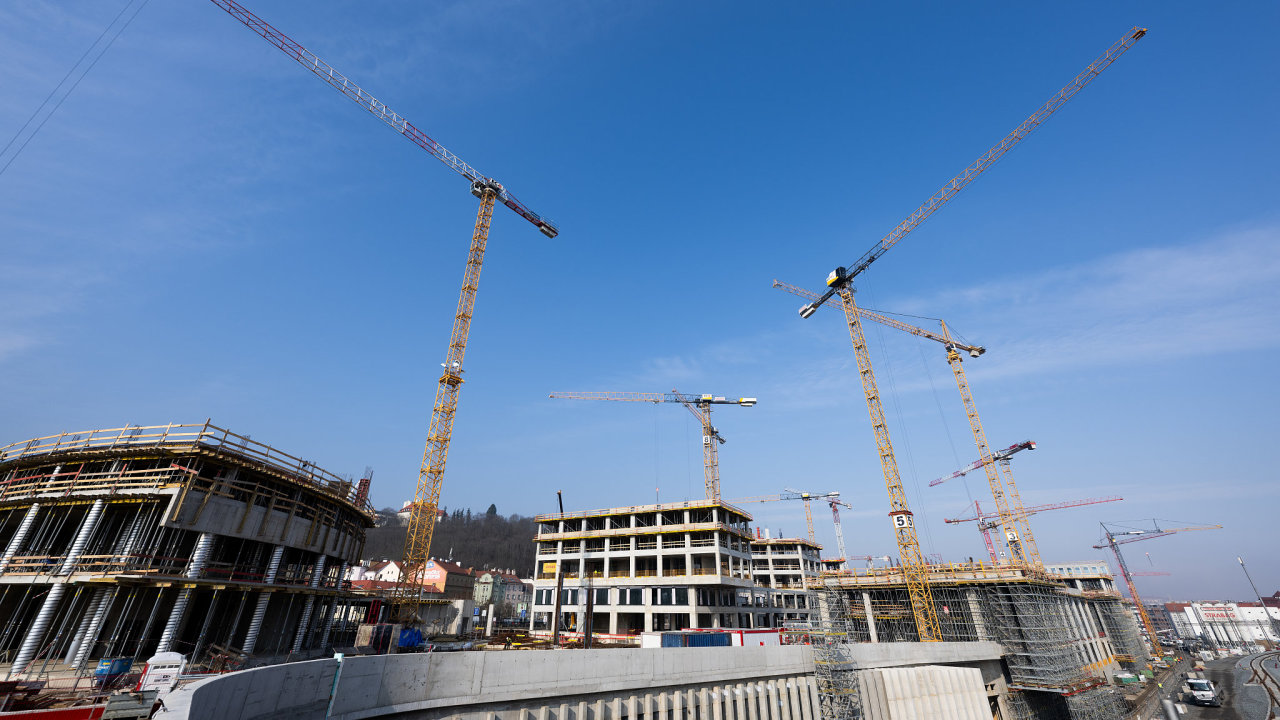
As Dubai’s appeal wanes, the Czech Republic, and specifically Prague, is experiencing a surge in interest from investors. The stability of the Czech economy, coupled with the relative affordability of property compared to other European capitals, is making Prague an increasingly attractive alternative. The demand for Czech properties is not just coming from returning investors but also from those who previously considered Dubai but are now opting for a more secure investment environment.
The Czech property market has demonstrated resilience in recent years, with consistent growth in both residential and commercial sectors. While Prague remains the primary focus for investors, other cities like Brno and Ostrava are also gaining traction, offering attractive investment opportunities with lower entry costs. The increasing demand is putting upward pressure on prices, particularly in prime locations within Prague, but the market remains relatively stable compared to the volatility seen in some international markets.
Factors Driving the Czech Property Boom
Several factors are contributing to the renewed interest in Czech property:
- Economic Stability: The Czech Republic boasts a stable economy with a strong industrial base.
- EU Membership: As a member of the European Union, the Czech Republic offers investors access to a large and integrated market.
- Rental Yields: While not as high as those previously seen in Dubai, rental yields in Prague are competitive with other European capitals.
- Quality of Life: Prague consistently ranks high in quality of life surveys, making it an attractive place to live and invest.
- Geopolitical Safety: Compared to the Middle East, the Czech Republic is perceived as a safer and more stable geopolitical environment.
Expert Perspectives and Future Outlook
Real estate professionals in the Czech Republic are observing the trend firsthand. Filip Šejvl of Philip & Frank notes that the increased interest in Czech property is a direct response to the growing uncertainty surrounding international markets. He suggests that investors are prioritizing security and stability over the potential for high returns.
The shift in investor sentiment is likely to continue in the short to medium term. The duration and intensity of the regional conflict will play a significant role in shaping the future of the Dubai property market. If the conflict escalates or persists, We see likely to further dampen investor confidence and accelerate the flow of capital back to safer havens like the Czech Republic. However, if the situation stabilizes, Dubai could regain some of its lost appeal, particularly among investors seeking higher risk-reward opportunities.
The Czech National Bank has been closely monitoring the property market, and in recent statements, has cautioned against excessive speculation and encouraged responsible lending practices. The Czech National Bank’s website provides detailed information on monetary policy and financial stability.
Key Takeaways
- Czech investment in Dubai real estate is cooling due to regional conflict and economic uncertainty.
- Prague is experiencing a surge in interest from Czech investors seeking stability and security.
- The Czech property market offers a relatively stable and attractive investment environment.
- The future of the Dubai market depends on the resolution of the regional conflict.
Looking ahead, the Czech property market is expected to remain resilient, driven by strong domestic demand and a renewed influx of investment from abroad. The long-term outlook for Dubai remains uncertain, and investors will likely continue to prioritize risk management and diversification in their portfolios. The next key indicator to watch will be the release of Q1 2026 property sales data from the Czech Statistical Office, expected in late April 2026, which will provide a clearer picture of the extent of the shift in investment patterns.
What are your thoughts on the changing dynamics of the global real estate market? Share your insights and experiences in the comments below. Don’t forget to share this article with your network!