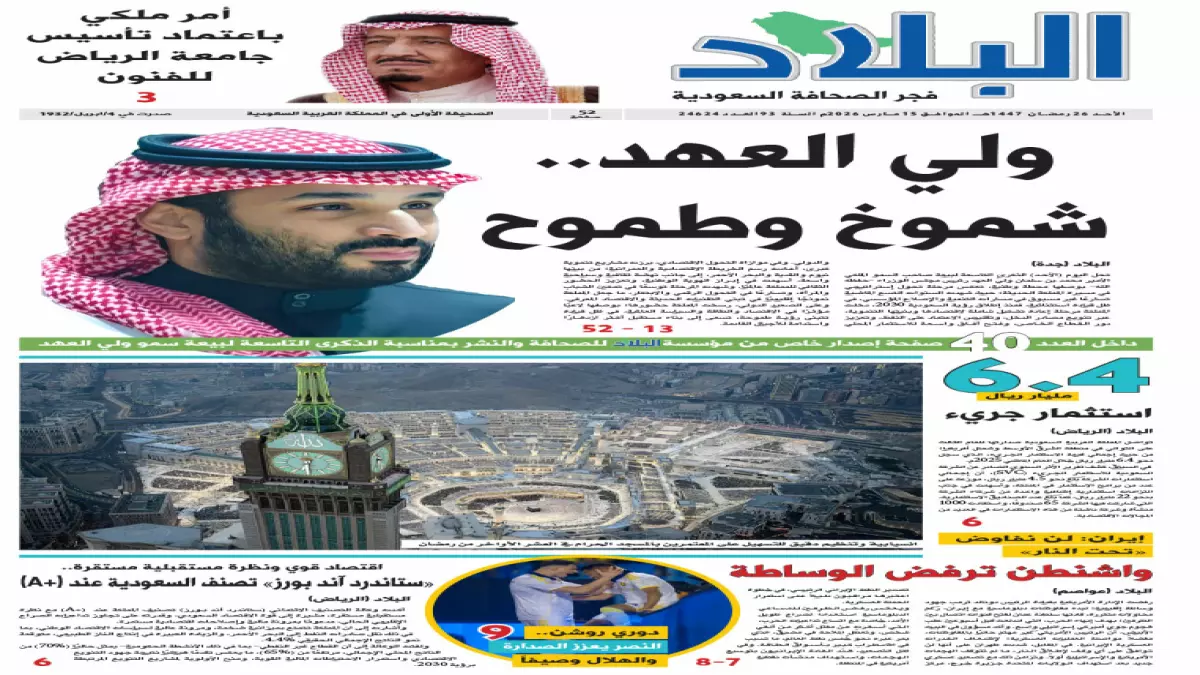
RIYADH – Saudi Arabia is experiencing a tourism boom, shattering records and solidifying its position as a global destination. The Kingdom welcomed an estimated 122 million tourists in 2025, a figure driven by substantial investment and a strategic push to diversify its economy. This surge represents a 5% increase compared to 2024, with 92 million domestic tourists and 30 million international visitors contributing to the Kingdom’s rise to 12th place globally in tourism revenue.
This remarkable growth isn’t accidental. It’s the result of Saudi Arabia’s “Vision 2030” plan, a sweeping initiative designed to reduce the nation’s reliance on oil and cultivate new economic sectors, with tourism at the forefront. The country is undergoing a massive transformation, investing heavily in infrastructure, hospitality, and cultural experiences to attract a wider range of travelers. This commitment is paying off, as evidenced by the significant increase in both visitor numbers and revenue.
A Diversified Tourism Landscape
The appeal of Saudi Arabia as a tourist destination is becoming increasingly diverse. While religious tourism, particularly to Mecca and Medina, remains a significant draw – accounting for 41.5% of international arrivals – leisure travel is rapidly gaining prominence, representing 25.2% of visitors. Visiting friends and relatives accounts for another 20%. Egypt and Pakistan are currently the leading source countries for international tourists, with 3.2 million and 2.8 million visitors respectively. The Saudi Press Agency reported that the Kingdom topped the world in the rate of growth of revenues from international tourists during the first quarter of 2025 compared to the same period in 2019.
The infrastructure supporting this tourism boom is also expanding rapidly. The number of licensed hospitality facilities has increased by 40.6% to reach 5,622, while hotel occupancy rates stand at 49.1%. Crucially, the sector is also creating jobs, with over one million people now employed in tourism-related industries, with Saudi nationals comprising 24.3% of the workforce. This focus on local employment is a key component of Vision 2030, aiming to create sustainable economic opportunities for citizens.
Investment and Transformation
Saudi Arabia isn’t simply relying on existing attractions. The Kingdom is actively developing new destinations and experiences, investing over $200 billion in tourism projects. According to Al-Awsat, this investment is spearheaded by the “Turayz 2025” platform, which aims to unite governments and the private sector for sustainable growth. These projects range from luxury resorts along the Red Sea coast to cultural heritage sites like Diriyah and AlUla, and ambitious futuristic cities like NEOM.
The historic town of Diriyah, a UNESCO World Heritage site, is undergoing a massive restoration and development project, transforming it into a vibrant cultural and tourism hub. Similarly, AlUla, with its stunning desert landscapes and ancient tombs, is being positioned as a premier destination for adventure and cultural tourism. The Red Sea Project, a luxury tourism development, aims to create a sustainable tourism destination with pristine beaches and coral reefs. These initiatives are designed to appeal to a diverse range of travelers, from those seeking cultural immersion to those looking for adventure and relaxation.
NEOM and the Future of Urban Living
Perhaps the most ambitious project is NEOM, a planned city in northwestern Saudi Arabia. At the heart of NEOM is “The Line,” a revolutionary urban concept – a 170-kilometer-long, car-free city designed to be fully sustainable and powered by 100% renewable energy. The Line aims to provide all essential services within a five-minute walk, utilizing high-speed rail for longer distances. The project promises to preserve 95% of the surrounding natural environment, representing a radical departure from traditional urban planning. While the project has faced scrutiny regarding its feasibility and environmental impact, it remains a central pillar of Saudi Arabia’s vision for the future.
Global Recognition and Future Outlook
Saudi Arabia’s success in attracting tourists has not gone unnoticed internationally. In the first quarter of 2025, the Kingdom ranked first globally in the growth rate of revenue from international tourists and third in the growth rate of the number of international tourists, according to a report from the United Nations World Tourism Organization’s World Tourism Barometer. As reported by Ajel, this achievement underscores the effectiveness of the Kingdom’s tourism strategy and its growing appeal as a global destination.
The recent inclusion of new Saudi cities within UNESCO’s Global Network of Learning Cities further enhances the Kingdom’s appeal, adding a unique cultural and educational dimension to its tourism offerings. This commitment to elevating standards in tourism and related services demonstrates a long-term vision for sustainable growth.
Looking ahead, Saudi Arabia is poised to continue its ascent as a leading global tourism destination. The ongoing investment in infrastructure, the diversification of tourism offerings, and the ambitious projects like NEOM are all contributing to a transformative shift in the Kingdom’s economic landscape. The country is actively working to position itself as a year-round destination, offering a wide range of experiences to cater to diverse interests and preferences.
Key Takeaways
- Record-Breaking Growth: Saudi Arabia welcomed 122 million tourists in 2025, a 5% increase from the previous year.
- Diversification is Key: The Kingdom is moving beyond religious tourism, developing leisure, cultural, and adventure offerings.
- Massive Investment: Over $200 billion is being invested in tourism projects, including NEOM and the Red Sea Project.
- Vision 2030: The tourism boom is a central component of Saudi Arabia’s broader economic diversification plan.
The next major milestone for Saudi Arabia’s tourism sector will be the completion of key infrastructure projects within NEOM, particularly the initial phases of The Line, scheduled for completion in the coming years. Continued monitoring of tourism statistics and visitor feedback will be crucial to refining the Kingdom’s strategy and ensuring sustainable growth. The world will be watching to see if Saudi Arabia can maintain its momentum and solidify its position as a global tourism powerhouse. What are your thoughts on Saudi Arabia’s tourism transformation? Share your comments below.
Related reading