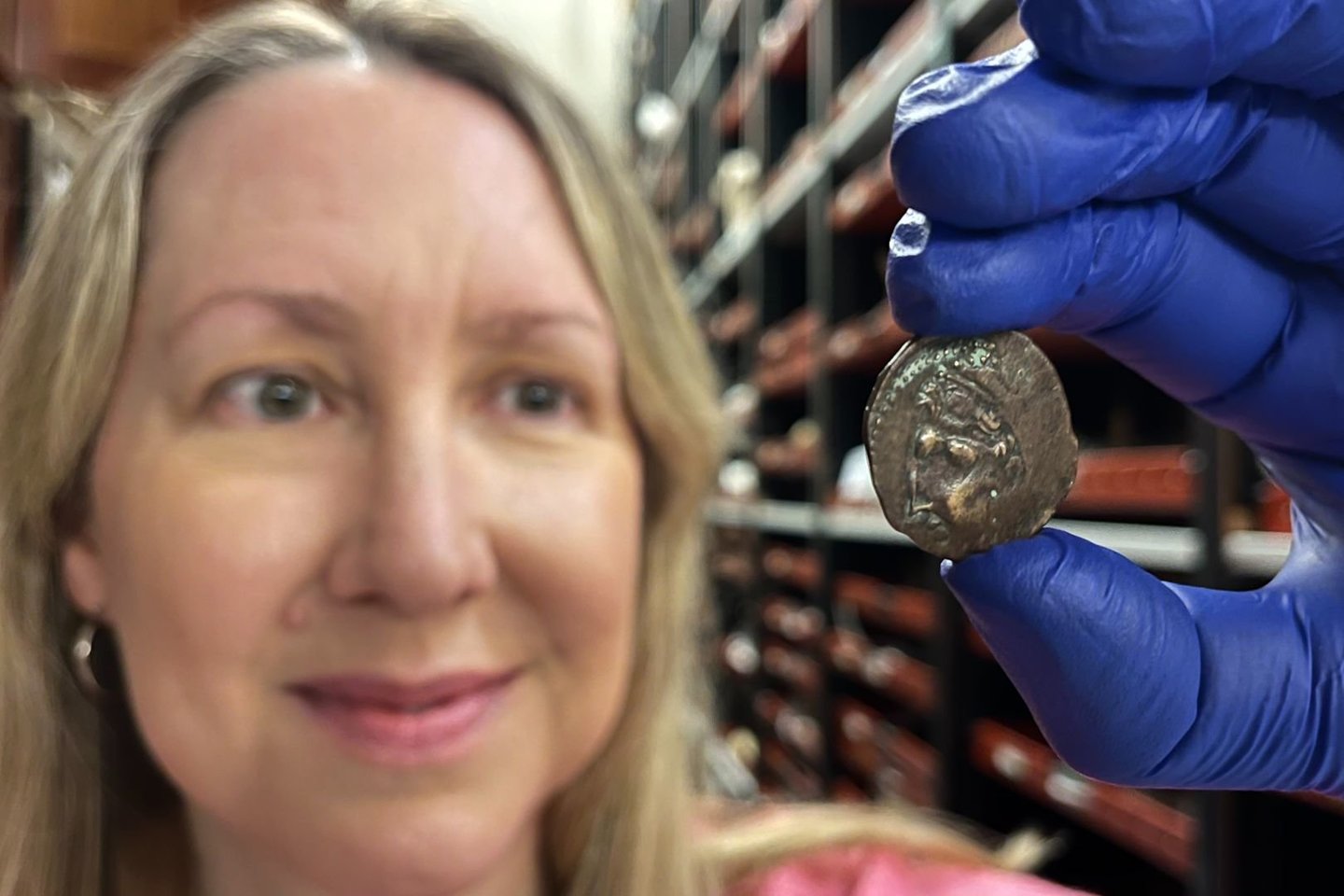
Leeds, United Kingdom – A routine bus fare paid in the 1950s has revealed a remarkable connection to the ancient world. A coin, once used to purchase a ride on public transport in Leeds, has been identified as a 2,000-year-old artifact originating from the ancient city of Cádiz in Spain. The discovery, made possible by a family’s decades-long curiosity, offers a tangible link to the Phoenician and Carthaginian civilizations and highlights the unexpected ways history can surface in everyday life.
The coin’s journey began with James Edwards, a chief cashier for Leeds Transport Company during the post-war era. As part of his duties, Edwards collected fares from bus and tram drivers, setting aside any foreign or unusual coins he encountered. Rather than discarding these intriguing pieces of currency, he gifted them to his young grandson, Peter Edwards, fostering a lifelong fascination with their origins. For over 70 years, Peter Edwards carefully preserved the collection, eventually embarking on a quest to uncover the story behind one particularly captivating coin.
That coin, as confirmed by researchers at Leeds Museums and Galleries, dates back to the 1st century BC and was minted in Gadir, the ancient Phoenician and Carthaginian name for Cádiz. The city, located in present-day Andalusia, Spain, served as a crucial trading hub in the Mediterranean. The coin’s discovery underscores the extensive trade networks that connected disparate parts of the ancient world and the surprising ways artifacts from these civilizations found their way to unexpected corners of Europe. The story of this ancient coin is a testament to the enduring power of curiosity and the hidden histories embedded within seemingly ordinary objects.
A Glimpse into the Phoenician World
The Phoenicians, originating from the coastal region of the Levant (modern-day Lebanon), were renowned seafarers and traders who established colonies throughout the Mediterranean. Around 1100 BC, they founded Gadir – one of their earliest colonies in Western Europe – establishing a vital outpost for commerce and cultural exchange. Gadir quickly became a significant center for the production of garum, a fermented fish sauce highly prized in Roman cuisine, and other valuable goods. Britannica details the Phoenician’s extensive maritime trade routes and their influence on the development of alphabetic writing.
Later, after the First Punic War in the 3rd century BC, Gadir came under the control of Carthage, a powerful city-state founded by Phoenician colonists. Carthage, in turn, would eventually fall to the Roman Empire less than a century later, further shaping the city’s history and cultural landscape. The coin itself bears witness to this complex history, reflecting the artistic and religious influences of these successive civilizations.
Decoding the Coin’s Imagery
The bronze coin features the image of Melqart, a prominent Phoenician deity associated with Tyre, Gadira, and Carthage. Melqart was often depicted with attributes similar to the Greek hero Herakles (Hercules), including the iconic lionskin headdress. The coin’s depiction of Melqart wearing this headdress demonstrates the Phoenicians’ willingness to incorporate elements of Greek imagery to appeal to a wider range of traders and facilitate commerce. This practice highlights the cultural exchange that characterized the ancient Mediterranean world.
On the reverse side of the coin, two bluefin tuna (Thunnus thynnus) are depicted. These fish were a vital resource for the inhabitants of Gadir, symbolizing the importance of the fishing industry to the city’s economy and sustenance. The inclusion of these marine creatures provides valuable insight into the daily life and economic activities of the ancient Gaditans. The coin’s imagery, serves as a miniature snapshot of the city’s cultural, religious, and economic identity.
From Ancient Cádiz to Post-War Leeds
The question of how a 2,000-year-old coin ended up in the fare collection of a Leeds bus company remains a mystery. Peter Edwards speculates that the coin may have been brought back to the United Kingdom by soldiers returning from service during or after World War II. “It was not long after the war, so I imagine soldiers returned with coins from countries they had been sent to,” he explained, as reported by BBC News. This theory aligns with the historical context of the time, as British troops were stationed in various parts of the world during and after the conflict, potentially acquiring foreign currency as souvenirs or through trade.
Regardless of its precise journey, the coin eventually found its way into the hands of James Edwards, who recognized its unusual nature and passed it on to his grandson. Peter Edwards, though not a dedicated coin collector, cherished the artifact for its historical significance and intriguing origins. He ultimately decided to donate the coin to Leeds Museums and Galleries, ensuring its preservation and making it accessible to the public.
A Valuable Addition to Leeds’ Collection
Kat Baxter, the curator of archaeology and numismatics at Leeds Museums and Galleries, confirmed the coin’s authenticity and age. The donation represents a significant addition to the museum’s collection of ancient currencies, providing researchers and visitors with a tangible link to the past. The museum’s commitment to preserving and interpreting such artifacts plays a crucial role in fostering a deeper understanding of history and cultural heritage.
Salma Arif, a Leeds City Council member, emphasized the importance of museums in connecting communities with their history. “Museums like ours not only safeguard exhibits but also tell stories like this and inspire visitors to think about the history around us, sometimes in the most unexpected places,” she stated. The coin’s story serves as a reminder that history is not confined to textbooks or academic institutions but can be found in the most ordinary of circumstances.
Peter Edwards expressed his satisfaction that the coin would remain in Leeds, a city with which it had become unexpectedly connected. “My grandfather, like me, would be proud knowing the coin is returning to Leeds,” he said. “But how it got there will always remain a mystery.”
The Significance of Numismatics
The study of coins, known as numismatics, provides invaluable insights into ancient economies, political systems, and cultural beliefs. Coins were not merely a medium of exchange; they often served as propaganda tools, displaying the images of rulers, deities, and symbols of power. Analyzing the materials, designs, and inscriptions on coins can reveal information about trade routes, religious practices, and artistic styles of past civilizations. Smithsonian Magazine offers a detailed exploration of how numismatics contributes to our understanding of history.
The Leeds coin, with its depiction of Melqart and the bluefin tuna, exemplifies this principle. It offers a glimpse into the religious beliefs and economic activities of the ancient Phoenicians and Carthaginians, providing a tangible connection to a civilization that flourished over two millennia ago. The coin’s journey from Cádiz to Leeds underscores the interconnectedness of the ancient world and the enduring legacy of its cultural and economic networks.
As the coin takes its place within the Leeds Museums and Galleries collection, it will continue to inspire curiosity and provide a unique window into the past. The story of this ancient artifact serves as a powerful reminder that history is all around us, waiting to be discovered in the most unexpected of places.
The Leeds Museums and Galleries are currently cataloging the coin and planning a future display where the public can view this remarkable piece of history. Further research into the coin’s origins and potential connections to other artifacts is ongoing, promising to reveal even more about the ancient world and its enduring legacy.
Key Takeaways
- A 2,000-year-old coin originating from Cádiz, Spain, was discovered after being used as fare on a Leeds bus in the 1950s.
- The coin features imagery of the Phoenician deity Melqart and two bluefin tuna, providing insights into ancient religious beliefs and economic activities.
- The coin’s journey to Leeds likely involved soldiers returning from World War II, highlighting the unexpected ways artifacts can travel across time and distance.
- The donation of the coin to Leeds Museums and Galleries adds a valuable piece to their collection and provides a tangible link to the ancient world for the public.
Stay tuned to World Today Journal for further updates on archaeological discoveries and historical insights from around the globe. We encourage you to share this story and engage in the comments below – what unexpected historical finds have you encountered?
Related reading