Sofia, Bulgaria – US President Donald Trump has publicly voiced frustration with a perceived lack of support from NATO allies regarding the security of maritime traffic through the Strait of Hormuz, a vital artery for global oil supplies. The escalating tensions in the region, coupled with the ongoing conflict, have prompted calls for increased international cooperation to safeguard shipping lanes, but securing a unified response has proven challenging. This dispute highlights underlying strains within the transatlantic alliance and raises questions about the future of collective security commitments.
Trump’s remarks, made on Monday, centered on the expectation that nations reliant on oil transported through the Strait of Hormuz should contribute to its protection. He referenced the United States’ support for Ukraine in the face of Russian aggression, suggesting a reciprocal obligation from NATO partners. The President’s comments arrive amid heightened concerns over potential disruptions to oil flows following attacks on tankers and energy infrastructure in the Gulf region. The situation has already contributed to volatility in global energy markets, prompting calls for a proactive approach to ensure stability.
Strait of Hormuz: A Critical Chokepoint
The Strait of Hormuz, a narrow waterway separating Iran and the Arabian Peninsula, is one of the world’s most strategically important oil transit routes. Approximately 20% of global oil and liquefied natural gas (LNG) shipments pass through the strait daily, making it a critical component of the global energy supply chain. As ZDF reports, Iran has effectively blockaded the strait, significantly increasing risks for commercial vessels.
The current instability stems from the broader conflict in the region, with the United States and Israel engaging in military actions against Iranian-backed forces. These actions have raised fears of escalation and potential direct confrontation, further exacerbating the risks to maritime traffic. The potential for Iran to disrupt oil flows through the Strait of Hormuz has prompted the United States to seek assistance from its allies in securing the waterway. The US has proposed an international maritime coalition to escort tankers through the passage, but this initiative has met with resistance from several key partners.
NATO Allies Resist Direct Involvement
Several NATO member states have expressed reluctance to participate in a US-led military operation in the Strait of Hormuz. Germany, in particular, has firmly ruled out direct involvement, emphasizing that the conflict does not fall within the scope of NATO’s collective defense mandate. German Defense Minister Boris Pistorius stated, “It is not our war, we did not start it,” according to t-online.de. A spokesperson for the German government further clarified that NATO is a defensive alliance focused on protecting its member states and lacks a mandate for operations outside of its defined area of responsibility.
This position reflects a broader sentiment among some European allies who are wary of being drawn into another protracted conflict in the Middle East. Concerns about escalating tensions with Iran and the potential for unintended consequences have fueled resistance to direct military intervention. Some allies question the legal basis for a military operation in the Strait of Hormuz without a clear mandate from the United Nations Security Council.
Trump’s Warning and the Future of NATO
President Trump has responded to the lack of support from NATO allies with a veiled threat, suggesting that the future of the alliance could be jeopardized if members fail to demonstrate solidarity. As reported by Deutsche Welle, Trump warned that a lack of response or a negative response from NATO allies would be “very bad for the future of NATO.” He has also criticized allies for not contributing enough to their own defense, echoing long-standing grievances about burden-sharing within the alliance.
This rhetoric has raised concerns about the potential for further erosion of trust and cooperation within NATO. The alliance has already faced challenges in recent years, including disagreements over defense spending, burden-sharing, and strategic priorities. Trump’s latest comments risk exacerbating these divisions and undermining the cohesion of the transatlantic alliance. The President’s insistence on reciprocal support, referencing past US assistance to Ukraine, underscores a transactional approach to alliances that has alienated some partners.
China’s Position and Regional Implications
The United States has also sought support from China in securing the Strait of Hormuz, given China’s significant economic interests in the region. However, Beijing has offered a cautious response, avoiding a direct commitment to participate in a military coalition. A spokesperson for the Chinese Foreign Ministry acknowledged the importance of maintaining stability in the Strait of Hormuz but refrained from providing a concrete answer to Trump’s proposal. China’s position reflects its broader strategy of maintaining neutrality in regional conflicts while safeguarding its economic interests.
The situation in the Strait of Hormuz has broader implications for regional stability and global energy security. Disruptions to oil flows could have significant economic consequences, leading to higher energy prices and potential supply shortages. The escalating tensions also risk triggering a wider conflict in the Middle East, with potentially devastating consequences for the region and beyond. The international community faces a critical challenge in finding a diplomatic solution to de-escalate tensions and ensure the safe passage of maritime traffic through the Strait of Hormuz.
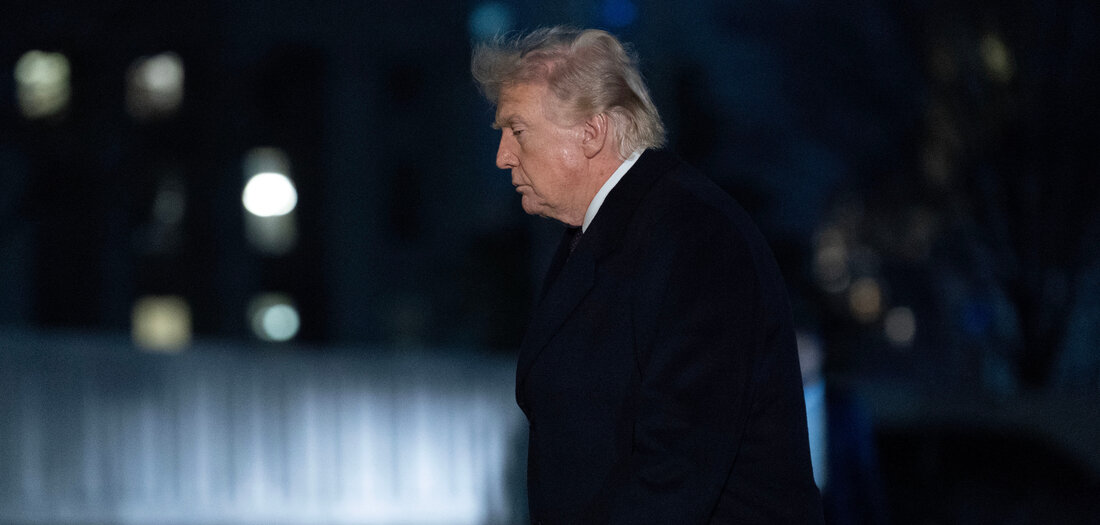
Seeking assistance: Trump upon his return to the White House after a typical weekend stay in Florida.
Key Takeaways
- President Trump is seeking support from NATO allies and other nations to secure the Strait of Hormuz amid escalating tensions in the region.
- Several NATO member states, including Germany, have ruled out direct military involvement, citing the conflict’s distance from the alliance’s core mandate.
- Trump has warned that a lack of support from allies could have negative consequences for the future of NATO.
- China has offered a cautious response to US requests for assistance, prioritizing its economic interests and maintaining neutrality.
- The situation in the Strait of Hormuz poses a significant threat to global energy security and regional stability.
The coming weeks will be crucial in determining whether a diplomatic solution can be found to de-escalate tensions in the Strait of Hormuz. Further discussions between the United States and its allies are expected, as well as continued efforts to engage with Iran and other regional actors. The international community will be closely monitoring the situation for any signs of escalation and preparing for potential contingencies. Readers are encouraged to share their perspectives and engage in constructive dialogue on this critical issue in the comments section below.
Keep reading