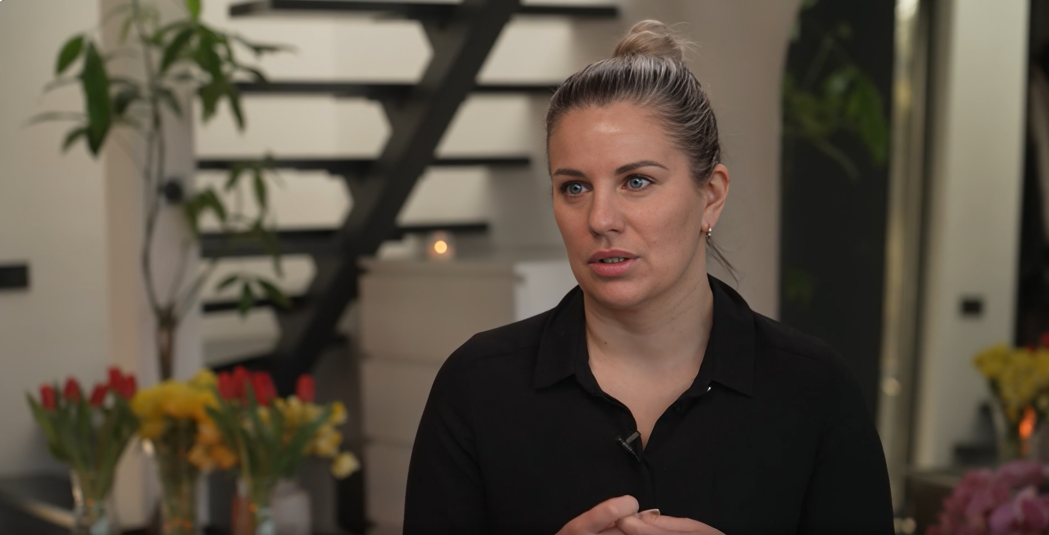
Latvian Reality TV Star Olga Koha Expresses Distress Over Online Harassment Following Discussion of Husband’s Mental Health
Riga, Latvia – Olga Koha, a participant in the Latvian reality television show “Ģimene burkā” (Family in a Jar), has publicly shared her distress following a surge of negative online commentary after discussing her husband’s mental health challenges on the program. Koha’s experience highlights the often-brutal realities of public scrutiny and the impact of social media on individuals navigating personal struggles. The situation underscores a growing concern about online harassment and the need for greater empathy and understanding surrounding mental health issues.
Koha’s emotional response, described as an “outburst” by Latvian media outlet 1188.lv, stemmed from comments received after conversations with relationship coach Kristaps Ozoliņš during the show. While the specific nature of the comments hasn’t been detailed, Koha’s reaction indicates a significant level of emotional distress. This incident raises questions about the responsibility of reality television producers and platforms to protect participants from online abuse, and the broader societal implications of increasingly polarized online discourse.
The Context: “Ģimene burkā” and Discussions of Mental Health
“Ģimene burkā” is a popular Latvian reality show that follows the lives of several families. The program has gained attention for its willingness to address sensitive topics, including mental health. Koha and her husband, Viesturs, have been open about Viesturs’s experiences with anxiety, a decision that, while intended to promote awareness, has unfortunately led to a wave of negative reactions online. The show’s format, which often involves intimate and personal revelations, can create participants particularly vulnerable to public criticism.
According to a report by Inbox.lv, Koha has expressed frustration with her husband’s focus on his own feelings, suggesting it sometimes leads to a lack of emotional support for her. She reportedly feels that when she is struggling, Viesturs’s attention is often directed inward. Viesturs initially described his condition as a “peculiar phenomenon,” noting “strange bodily sensations.” This initial framing of his experiences, while understandable, may have contributed to some of the dismissive reactions he and Koha have received online.
Online Harassment and its Impact
The online backlash Koha has faced is a stark reminder of the potential for social media to develop into a breeding ground for negativity and abuse. The anonymity afforded by the internet can embolden individuals to make hurtful and insensitive comments they might not otherwise express in person. This type of harassment can have a devastating impact on mental health, leading to anxiety, depression, and even suicidal thoughts.
The case also highlights the challenges of discussing mental health in a public forum. While increased awareness is crucial, it can also expose individuals to judgment and misunderstanding. The stigma surrounding mental illness remains a significant barrier to seeking help, and online harassment can exacerbate this problem.
Koha’s Response and the Role of Support
Koha’s reaction, described as feeling “like some kind of monster,” underscores the profound emotional toll of online abuse. Her statement, as reported by 1188.lv, suggests a feeling of being dehumanized and vilified. The incident emphasizes the importance of having a strong support system in place, both online and offline, to cope with the challenges of public life and the potential for negative interactions.
The role of relationship coach Kristaps Ozoliņš in providing support to Koha is also noteworthy. Professional guidance can be invaluable in navigating tough emotional situations and developing coping mechanisms. But, the incident also raises questions about the limits of professional support in the face of widespread online harassment.
The Broader Implications for Reality Television
The experience of Olga Koha raises important questions about the ethical responsibilities of reality television producers. While these shows often thrive on drama and conflict, producers have a duty to protect participants from harm, including online abuse. This could involve implementing stricter moderation policies on social media platforms, providing participants with media training to prepare them for public scrutiny, and offering ongoing mental health support.
the incident highlights the need for greater media literacy among viewers. It is important to remember that reality television is often heavily edited and does not necessarily reflect the full complexity of real life. Viewers should be encouraged to approach these shows with a critical eye and to avoid engaging in online harassment or negativity.
Olga Koha’s Online Presence
Olga Vizule Koha maintains an Instagram account (@olga.koha) with a modest following of 491 users as of March 16, 2026. She follows 1,701 accounts and has posted 68 times. Her profile description currently reads “@olga.koha_ok_kukas”. This platform likely serves as a personal outlet for Koha, and it is on platforms like these where she is most vulnerable to direct online harassment.
Looking Ahead
The situation involving Olga Koha serves as a cautionary tale about the potential consequences of online harassment and the importance of prioritizing mental health. As social media continues to play an increasingly prominent role in our lives, it is crucial to foster a more empathetic and understanding online environment.
The Latvian public’s reaction to this case will likely influence future discussions about responsible online behavior and the ethical considerations surrounding reality television. It remains to be seen whether Koha will continue to address the issue publicly, but her experience has undoubtedly sparked a conversation about the need for greater protection and support for individuals facing online abuse.
Further updates on this story are expected as the “Ģimene burkā” season progresses and as Koha potentially addresses the situation further on social media or in interviews. Readers are encouraged to engage in respectful dialogue and to report any instances of online harassment they encounter.
Worth a look