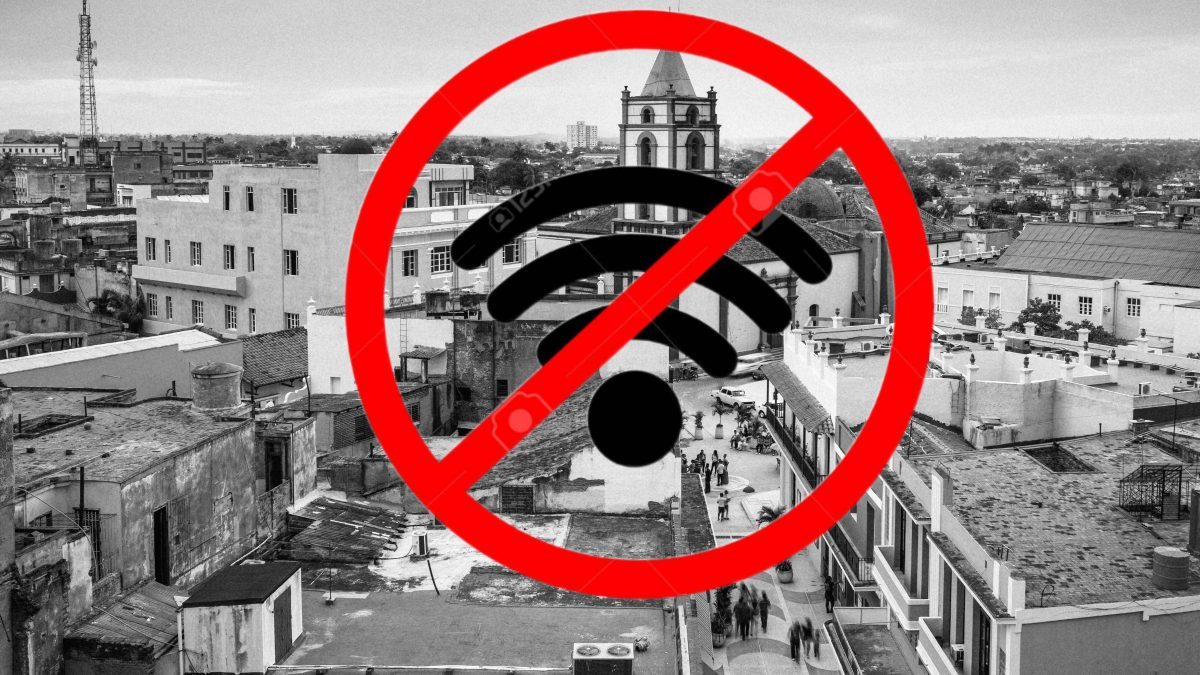
Cuba Faces Widespread Internet Outage Following Nationwide Blackout
A significant disruption to internet access across Cuba occurred on Monday, coinciding with a complete collapse of the country’s national power grid. The outage, which saw a reported 65% drop in internet traffic, underscores the fragility of Cuba’s infrastructure and its reliance on a stable energy supply for digital connectivity. The incident comes amidst an ongoing energy crisis that has plagued the island nation, leading to frequent and prolonged power cuts. This latest event raises concerns about the impact on communication, access to information, and essential services for the Cuban population.
The disruption began at 17:35 UTC, according to data from Cloudflare Radar, a network performance monitoring service. The steep decline in traffic directly followed the announcement from the Unión Eléctrica (UNE), Cuba’s state-owned electricity company, that the entire national electrical system had failed. “A total disconnection of the National Electric System has occurred,” the UNE stated, triggering a cascade of effects that extended to the country’s internet infrastructure. The situation highlights the interconnectedness of critical infrastructure and the vulnerability of digital services to physical disruptions.
Cuba’s energy sector has been struggling for months, with frequent power outages becoming commonplace. Prior to Monday’s complete system failure, the UNE had reported electricity shortages throughout the day, with a peak deficit of 1,891 megawatts at 7:20 p.m. Local time. Demand consistently outstripped supply, with only 1,140 megawatts available at 6:00 a.m. On March 16th, against a demand of 2,347 megawatts. These pre-existing conditions created a precarious situation, making a complete system collapse increasingly likely. The ongoing issues stem from aging infrastructure and limited investment in modernization.
The cause of the total system failure remains under investigation by the Ministry of Energy and Mines. The UNE initially reported no immediate technical explanation for the collapse, stating that no failures were detected in the thermal power plants that were operational at the time. However, the incident underscores the systemic weaknesses within Cuba’s power generation and distribution network. The situation is further complicated by the fact that nine of the country’s sixteen thermoelectric plants were already offline due to maintenance or breakdowns, representing approximately 40% of Cuba’s total generating capacity, according to Infobae.
Impact on Connectivity and Daily Life
The internet outage has had a significant impact on daily life in Cuba, where access to information and communication is already limited. The country has historically had one of the lowest internet penetration rates in the Western Hemisphere, and connectivity remains expensive and unreliable for many citizens. The blackout effectively severed access for a large portion of the population, hindering communication with family and friends, access to news and information, and the ability to conduct online transactions. The disruption also affects businesses and organizations that rely on internet connectivity for their operations.
Cloudflare Radar data illustrates the severity of the outage, showing a nearly immediate 65% reduction in internet traffic following the power grid’s collapse. This suggests a direct correlation between the electricity supply and the functionality of internet infrastructure. Whereas the exact nature of the infrastructure affected is not fully detailed, We see likely that key switching centers, data transmission facilities, and last-mile connectivity solutions were all impacted by the lack of power. The incident highlights the importance of backup power systems and resilient network designs in ensuring continued connectivity during emergencies.
The outage occurred as Cuba was already grappling with a broader energy crisis. The country has been facing increasing difficulties in securing fuel supplies, leading to reduced power generation and frequent rationing. The situation is exacerbated by economic challenges and limited access to foreign currency, which hinders the ability to import essential resources. The current crisis is not new; Cuba has experienced similar widespread blackouts in the past, including five other major outages in the last eighteen months, as reported by Infobae.
Restoration Efforts and Renewable Energy Contributions
Following the total system failure, the UNE initiated protocols to restore power and internet connectivity. Efforts focused on activating microsystems in various territories and bringing online a generator operated by Energás. These initial steps represent the beginning of a gradual process to rebuild the electrical grid and restore essential services. However, authorities have not yet provided a timeline for full restoration, leaving many Cubans uncertain about when they will regain access to electricity and the internet.
Despite the ongoing crisis, Cuba has been investing in renewable energy sources, particularly solar power. As of Monday, the country’s 52 solar parks had generated 4,262 megawatt-hours of electricity, with a peak output of 732 megawatts. However, this contribution proved insufficient to prevent the collapse of the national grid, highlighting the need for a more diversified and resilient energy mix. The reliance on aging thermoelectric plants and limited fuel supplies continues to pose a significant challenge to Cuba’s energy security.
The Cuban government is also exploring other solutions to stabilize the power grid, including the testing of new battery storage systems. These systems are designed to store excess energy generated during periods of high production and release it during times of peak demand, helping to smooth out fluctuations in the power supply. A recent convoy is also en route to deliver over 20 tons of aid to Cuba, with support from figures like Greta Thunberg, according to reports.
Looking Ahead: Challenges and Potential Solutions
The recent blackout and internet outage underscore the urgent need for comprehensive reforms to Cuba’s energy and telecommunications infrastructure. Addressing the systemic weaknesses in the power grid will require significant investment in modernization, diversification of energy sources, and improved maintenance practices. Similarly, strengthening the country’s internet infrastructure will necessitate increased bandwidth capacity, improved network resilience, and greater affordability for citizens. The current situation highlights the critical importance of reliable access to electricity and internet connectivity for economic development, social progress, and citizen empowerment.
The long-term impact of the outage remains to be seen. The disruption will likely exacerbate existing economic challenges and further limit access to information and communication for the Cuban population. However, it may also serve as a catalyst for change, prompting the government to prioritize investments in infrastructure and explore innovative solutions to address the country’s energy and connectivity needs. The situation demands a multifaceted approach that combines short-term emergency measures with long-term strategic planning.
As of Tuesday, March 17, 2026, the UNE continues to work on restoring power to affected areas, with no firm timeline announced. Further updates on the situation are expected from the Ministry of Energy and Mines in the coming days. The international community is closely monitoring the situation and assessing potential avenues for assistance. Readers are encouraged to share their experiences and perspectives on the impact of the outage in the comments below.
Related reading