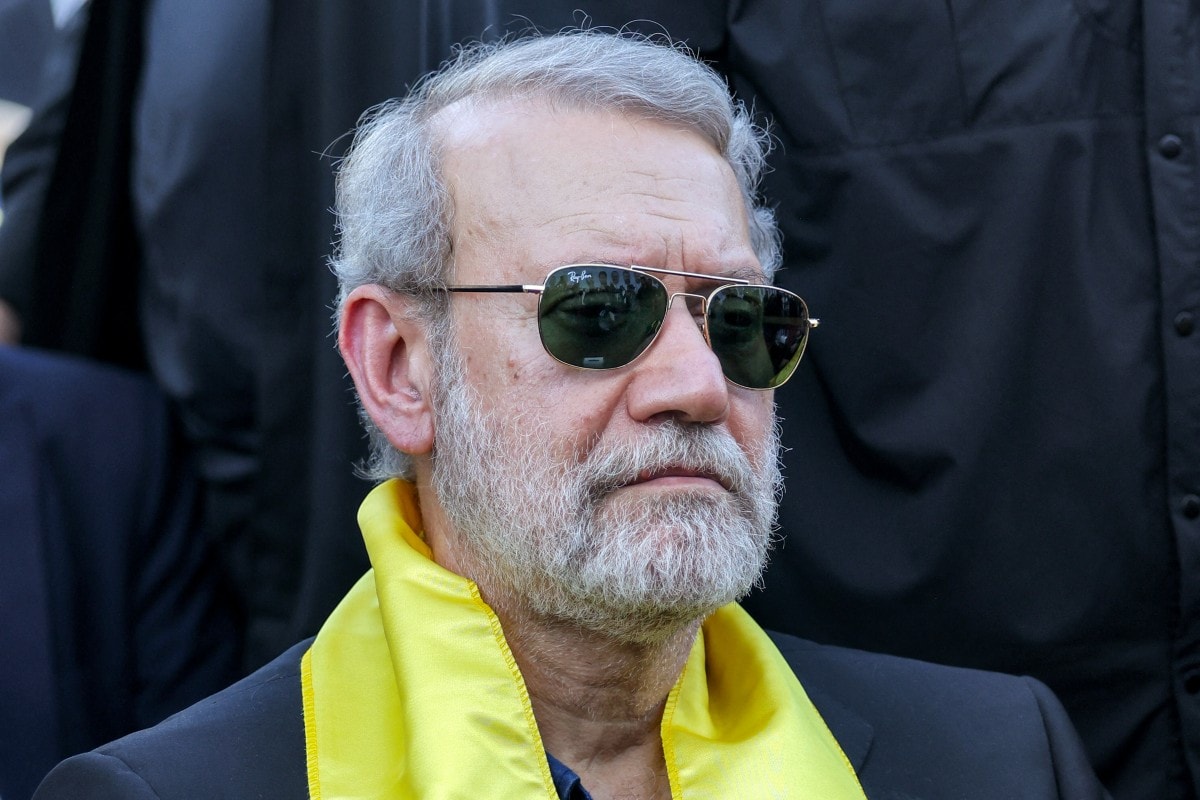
Reports Indicate Israel Targeted Iran’s Security Chief Ali Larijani in Overnight Strike
Jerusalem – Reports emerged Tuesday indicating that Ali Larijani, a prominent figure in Iran’s security apparatus, was among those targeted in overnight Israeli strikes. While initial reports from Israeli media suggested Larijani was killed, his status remains unconfirmed as of this writing. The ambiguity surrounding his fate underscores the escalating tensions between Israel and Iran, and the potential for further retaliatory actions. Israel’s Defence Minister, Israel Katz, has publicly claimed Larijani’s death, but Iranian officials have yet to issue a statement addressing the reports.
Larijani currently serves as the Secretary of Iran’s Supreme National Security Council, a position that places him at the heart of the nation’s strategic decision-making processes. He previously held a significant role as a nuclear negotiator, making him a well-known figure on the international stage. His influence within Iran’s power structure is widely acknowledged, and any confirmation of his death would represent a substantial blow to the Iranian establishment. The situation is further complicated by conflicting information regarding other potential targets of the strikes, including reports of attacks on senior figures within the Basij Resistance Force.
The timing of these reported strikes is particularly sensitive, coming after a US announcement of rewards for information leading to the apprehension of several senior Iranian military and intelligence officials, including Larijani. This reward, offered as part of a list of ten individuals linked to the Islamic Revolutionary Guard Corps, signals a heightened US focus on disrupting Iranian operations. The US State Department announced the reward on Friday, March 13, 2026, according to a press release on their website. Rewards for Justice
Uncertainty Surrounds Larijani’s Condition and Potential Impact
The lack of official confirmation from Iran adds to the uncertainty surrounding Larijani’s condition. Multiple Israeli media outlets reported that the strikes also targeted Gholamreza Soleimani, the head of the Basij Resistance Force, and other senior members of the organization. However, Iran has not yet acknowledged any casualties resulting from the strikes. The Basij Resistance Force is a paramilitary volunteer militia affiliated with the Islamic Revolutionary Guard Corps, and plays a significant role in internal security and suppressing dissent within Iran.
Adding to the complexity, Iran’s state media, Press TV, issued a statement on Tuesday attributed to Larijani himself, in which he criticized US President Donald Trump. The statement, which appears to be a previously prepared message, referenced historical events and accused the US of employing disinformation tactics. The timing of the release of this statement, despite reports of Larijani being targeted, raises questions about its authenticity and purpose. The statement, as reported by Press TV, included a reference to “the remnants of Epstein’s Island,” a phrase that lacks clear context and appears to be a veiled allusion to unspecified adversaries. Press TV
Iran’s security chief Ali Larijani:
🔹 47 years ago, on the eve of the people’s victory in Islamic Revolution of Iran, the Prime Minister of Pahlavi regime claimed that the sound of the massive crowds chanting in streets was not real, but rather the sound of a tape recording! pic.twitter.com/cn4vj447BG
— Press TV 🔻 (@PressTV) March 17, 2026
Prior to the reports of the Israeli strikes, Larijani issued a message to the Muslim world, expressing disappointment at what he perceived as a lack of support for Iran in the face of perceived aggression from the US and Israel. He described the alleged aggression as an attempt to dismantle Iran and lamented the absence of solidarity from Muslim-majority countries. This message, delivered on Monday, March 16, 2026, reflects Iran’s ongoing efforts to rally regional support and portray itself as a victim of external hostility.
Larijani’s Role in Iran’s Security Architecture
Ali Larijani has been a central figure in Iran’s political and security landscape for decades. He served as the Speaker of the Iranian Parliament from 2008 to 2020, a position that gave him significant influence over domestic policy. Before that, he held key roles in Iran’s nuclear program, serving as the chief nuclear negotiator from 2003 to 2005. His involvement in these sensitive negotiations underscored his importance in shaping Iran’s foreign policy and its relationship with the international community.
As Secretary of the Supreme National Security Council, Larijani is responsible for coordinating Iran’s security policies and overseeing intelligence operations. The Council plays a crucial role in formulating Iran’s response to regional and international threats, and its decisions have far-reaching consequences for the country’s security and stability. Larijani’s close relationship with the Supreme Leader, Ayatollah Ali Khamenei, further solidified his position as one of the most powerful figures in Iran. The reported strikes targeting Larijani represent a significant escalation in the ongoing shadow war between Israel and Iran, and raise concerns about the potential for a wider conflict.
The reported strikes approach amidst heightened regional tensions, fueled by the ongoing conflict in Gaza and Iran’s support for regional proxies. Israel has repeatedly warned that it will not tolerate Iran’s growing influence in the region and has vowed to take action to protect its security interests. The recent strikes appear to be part of a broader Israeli strategy to disrupt Iran’s military capabilities and deter it from further destabilizing activities. The international community is closely monitoring the situation, and calls for restraint and de-escalation are growing.
International Reactions and Potential Implications
The international community has reacted with caution to the reports of the Israeli strikes. Many countries have called for restraint and urged all parties to avoid further escalation. The United States has acknowledged the reports but has not yet offered a definitive assessment of the situation. A State Department spokesperson stated that the US is monitoring the situation closely and is in communication with regional partners. The European Union has also expressed concern and called for a de-escalation of tensions.
The potential implications of Larijani’s death, if confirmed, are significant. His removal from power could create a vacuum within Iran’s security establishment and potentially lead to a period of instability. It could also embolden hardliners within the Iranian regime and lead to a more aggressive foreign policy. The situation is further complicated by the ongoing negotiations over Iran’s nuclear program, which are already facing significant challenges. The loss of a key negotiator like Larijani could further complicate these talks and potentially derail efforts to reach a diplomatic solution.
The coming days will be critical in determining the trajectory of the conflict. Iran’s response to the reported strikes will be closely watched, and any retaliatory actions could trigger a wider regional conflict. The international community must work to de-escalate tensions and prevent a further escalation of violence. The stakes are high, and the potential consequences of a miscalculation are severe.
As of Wednesday, March 18, 2026, Iranian state media has not confirmed or denied reports of Ali Larijani’s death. Further developments are expected as the situation unfolds. World Today Journal will continue to monitor the situation closely and provide updates as they become available. Readers are encouraged to share their thoughts and perspectives in the comments section below.
Worth a look