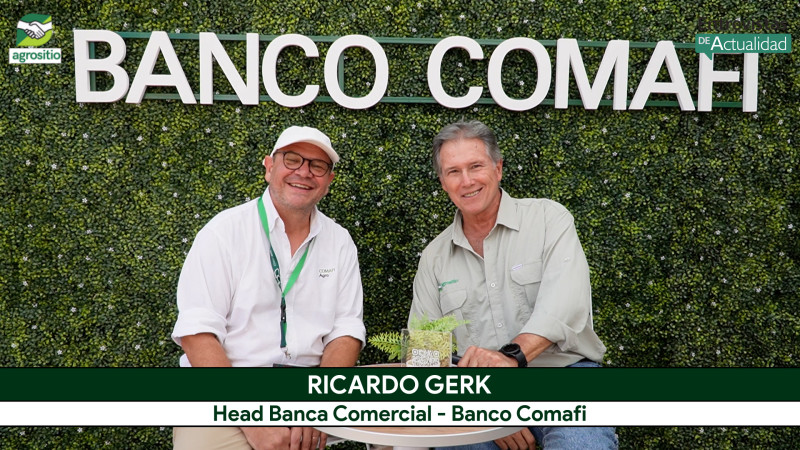
Buenos Aires – Argentina’s financial landscape is undergoing a notable shift, with banks increasingly prioritizing lending to businesses over government entities. This recalibration, coupled with a growing appetite for alternative financing options like leasing and capital markets, is offering a glimmer of hope for the country’s small and medium-sized enterprises (SMEs). Ricardo Gerk, Head of Commercial Banking at Banco Comafi, articulated this evolving dynamic during a recent panel discussion on Energy and Mining at Ámbito Debate, signaling a potential turning point in access to credit for Argentina’s vital SME sector.
The move away from lending to the state reflects a broader strategic adjustment within the Argentine banking system. Banks are now focusing on understanding and supporting the specific needs of businesses, aiming to foster economic growth from the ground up. This shift is particularly crucial given the ongoing economic challenges facing Argentina, including high inflation and currency volatility. The availability of financing, Gerk emphasized, is paramount for businesses seeking to expand and innovate.
Banco Comafi’s Perspective on SME Financing
Banco Comafi is actively positioning itself to capitalize on this trend. According to a report from MDZOL, Ricardo Gerk highlighted the bank’s commitment to growing credit and leasing opportunities for SMEs. However, Gerk also cautioned about the impact of macroeconomic factors on loan default rates, suggesting a potential for increased interest rates to mitigate risk. This delicate balance between fostering growth and managing risk is a key challenge for Argentine banks.
The bank recognizes that a growing economy requires accessible and affordable credit for SMEs, a condition that has historically been lacking in Argentina. The current stabilization of the economy, however, is creating viable alternatives. Banco Comafi is reporting growth in lending, with a particular focus on capital for working capital and leveraging new financial instruments.
Expanding Financing Options for SMEs
Beyond traditional bank loans, SMEs are increasingly turning to alternative financing methods. The market for ON Pymes – Argentine SME bonds – is gaining traction, offering companies the opportunity to secure long-term financing from a diverse pool of investors. This instrument, Gerk noted, simplifies the financing process and provides much-needed access to capital. Leasing is also proving to be a popular option, allowing businesses to acquire assets without significant upfront investment. These developments are broadening the financial landscape for SMEs, providing them with more choices and flexibility.
The growth in these alternative financing options is particularly significant given the challenges SMEs face in accessing traditional bank loans. Factors such as limited credit history, lack of collateral and complex bureaucratic procedures often hinder their ability to secure funding. The emergence of ON Pymes and the increased availability of leasing are helping to overcome these obstacles.
Navigating Macroeconomic Challenges
Despite the positive trends, macroeconomic instability remains a significant concern. Ricardo Gerk, as reported by Ámbito, stressed the importance of banks understanding the specific business models of the companies they lend to. This underscores the need for a more nuanced approach to risk assessment, moving beyond traditional credit scoring models to consider the unique circumstances of each business. The impact of the macro environment on default rates is a constant consideration for lenders.
Argentina’s economic volatility has historically made it difficult for businesses to plan for the future and invest in growth. High inflation erodes purchasing power and increases costs, while currency fluctuations create uncertainty and discourage long-term investment. The government’s efforts to stabilize the economy are therefore crucial for fostering a more favorable environment for SMEs.
The Role of Capital Markets
The increasing participation of SMEs in the capital markets represents a significant step forward. ON Pymes, in particular, provides a valuable avenue for companies to raise funds directly from investors, bypassing the traditional banking system. This not only reduces their reliance on bank loans but also allows them to build relationships with a broader range of stakeholders. The growth of the capital markets is also contributing to the development of a more sophisticated financial ecosystem in Argentina.
However, accessing the capital markets requires SMEs to meet certain regulatory requirements and demonstrate a level of financial transparency that some may find challenging. The government and financial institutions are working to simplify these processes and provide support to SMEs seeking to participate in the capital markets.
Ricardo Gerk’s Background and Banco Comafi’s Position
Ricardo Maria Gerk currently serves as the Head of Commercial Banking at Banco Comafi, a prominent financial institution in Argentina. His LinkedIn profile indicates he is based in Argentina and has over 500 professional connections. Banco Comafi is actively pursuing strategies to support the growth of the Argentine economy, with a particular focus on providing financial solutions to SMEs. The bank’s commitment to expanding credit and leasing options reflects its confidence in the potential of the SME sector.
Banco Comafi’s approach aligns with a broader trend among Argentine banks to prioritize lending to businesses. This shift is driven by a combination of factors, including government policies, regulatory changes, and a growing recognition of the importance of SMEs to the country’s economic development. The bank’s leadership, including Ricardo Gerk, is playing a key role in shaping this evolving landscape.
The bank’s strategy is not without its challenges. Managing risk in a volatile economic environment requires careful planning and a deep understanding of the businesses they serve. However, Banco Comafi appears well-positioned to capitalize on the opportunities presented by the growing demand for SME financing.
Key Takeaways:
- Argentine banks are shifting their focus from lending to the government to supporting businesses, particularly SMEs.
- Banco Comafi is actively expanding credit and leasing options for SMEs, recognizing their importance to economic growth.
- Alternative financing methods, such as ON Pymes and leasing, are gaining traction, providing SMEs with more choices.
- Macroeconomic instability remains a significant challenge, requiring banks to carefully manage risk and understand the specific needs of each business.
Looking ahead, the continued growth of SME financing will depend on the stability of the Argentine economy and the government’s commitment to creating a favorable business environment. The next key indicator to watch will be the release of Banco Comafi’s first-quarter financial results in April 2026, which will provide further insight into the bank’s lending activities and its assessment of the SME sector. We encourage readers to share their thoughts and experiences with SME financing in Argentina in the comments below.
Worth a look
- Sapin II Law: 10 Years Later, Anti-Corruption Compliance is Mandatory
- Volkswagen Sees Surge in Demand for Affordable Electric Cars
- Wells Fargo and Bank of America Show Largest Gap in Capital Model Discrepancies (archyde.com)
- Developing Elite Hockey Players: Expert Guidance at Supporters (newsdirectory3.com)