A Sweet Return: ‘Marmalade’ Officially Back on the Label Across the EU
For decades, a subtle but persistent frustration has lingered at breakfast tables across Europe: the inability to simply call a fruit spread “marmalade.” A complex web of EU regulations, stemming from a 1979 British push to define the term specifically for citrus fruit preserves, led to the widespread use of terms like “fruit spread” or “jam” for many traditional recipes. Now, with the implementation of the revised EU Directive 2024/1438, amending Directive 2001/113/EG, the word “marmalade” is officially permissible once more, acknowledging a deeply ingrained cultural preference and simplifying labeling for consumers and producers alike. This change, while seemingly minor, represents a victory for tradition and clarity in food labeling, and a return to a term many felt was unjustly sidelined.
The story of the “marmalade” designation is rooted in a historical quirk of trade and standardization. While the term has long been used colloquially to describe a wide variety of fruit preserves, the United Kingdom successfully advocated for a stricter definition in the late 1970s, reserving “marmalade” for products containing at least 20% citrus fruit. This preference for a more bitter, often Seville orange-based marmalade, became enshrined in EU regulations, creating a disconnect between legal definitions and common usage. The new directive doesn’t abandon the existing standards for citrus-based marmalade, but it allows other fruit spreads to reclaim the name, recognizing that the term holds a significant cultural weight beyond its technical definition. This shift acknowledges that for many, “marmalade” evokes cherished memories of homemade preserves crafted by mothers, grandmothers, and aunts – a sentiment that transcends strict regulatory definitions.
A History of Regulation and Regional Variations
The roots of this regulatory shift trace back to the EU’s efforts to harmonize food standards across member states. The initial Directive 2001/113/EG, concerning jams, jellies, marmalades and sweetened chestnut purée fit for human consumption, aimed to create a level playing field for producers and ensure consumer protection. As outlined by EUR-Lex, the directive established specific criteria for different types of fruit spreads, including sugar content, fruit content, and permitted additives. However, the application of these rules, particularly regarding the use of the term “marmalade,” proved contentious.
Austria, in particular, experienced difficulties with the implementation of the EU regulations. According to reports, Austria initially secured an exemption in 2004, allowing local producers selling directly to consumers to continue using the term “marmalade” even if their products didn’t meet the strict citrus fruit content requirements. This exemption, however, did not extend to products sold in supermarkets, creating a dual system. The new directive effectively removes this distinction, allowing all producers to label their products as “marmalade” regardless of the fruit used, as long as they meet the general standards for fruit spreads. The Konfitürenverordnung (KonfV) – the German regulation on jams and similar products – will be updated to reflect these changes.
The linguistic landscape surrounding fruit spreads is remarkably diverse across Europe. In France, the distinction between “confiture” (jam) and “gelée” (jelly) is paramount, based on whether the fruit contains pieces or is smooth. Italy simplifies things, generally using “marmellata” for all fruit spreads. Perhaps most intriguing is the Portuguese tradition, where “marmelada” specifically refers to quince paste (“marmelo” being the Portuguese word for quince), while other fruit spreads are known as “compota.” This regional variation highlights the cultural significance of these products and the challenges of imposing a single, standardized terminology. As meMarmelade.de explains, the Konfitürenverordnung recognizes seven distinct designations for fruit spreads: extra jam, jam, extra jelly, jelly, marmalade, jelly-marmalade, and sweetened chestnut purée.
What Does This Mean for Consumers and Producers?
The practical implications of this change are relatively straightforward. Consumers can expect to see the term “marmalade” reappear on a wider range of products, reflecting the traditional understanding of the term. Producers, particularly smaller, artisanal businesses, will benefit from the increased flexibility in labeling, allowing them to market their products more effectively. The change is also expected to reduce confusion among consumers, who may have been puzzled by the proliferation of terms like “fruit spread” and “confiture.”
However, it’s vital to note that the revised regulations do not lower the overall quality standards for fruit spreads. Products labeled as “marmalade” must still meet the requirements for fruit content, sugar content, and permitted additives, as outlined in the EU directive. The change simply allows for a more inclusive use of the term, recognizing that “marmalade” has a broader cultural meaning than its strict technical definition. The directive also clarifies the distinctions between different types of fruit spreads, ensuring that consumers have accurate information about the products they are purchasing. For example, “jelly-marmalade” refers to a marmalade from which all insoluble components have been removed, resulting in a smoother texture.
The debate over “marmalade” highlights a broader trend in food regulation: the tension between standardization and cultural preservation. While standardization is essential for ensuring food safety and fair trade, it’s also important to recognize the cultural significance of food traditions and allow for regional variations. The revised EU directive strikes a balance between these competing interests, acknowledging the importance of both standardization and cultural heritage. The move also reflects a growing consumer demand for transparency and authenticity in food labeling, with consumers increasingly seeking products that reflect their values and traditions.
Looking Ahead: Implementation and Ongoing Monitoring
The implementation of the revised directive will vary across EU member states, with each country responsible for updating its national regulations to reflect the changes. The European Commission will monitor the implementation process to ensure that all member states are complying with the new rules. It is anticipated that the changes will be fully implemented across the EU by the end of 2026.
The long-term impact of this change remains to be seen. It is likely that the term “marmalade” will gradually regain its traditional meaning, as consumers and producers become accustomed to the new regulations. However, it is also possible that regional variations in usage will persist, reflecting the diverse culinary traditions of Europe. The success of the revised directive will depend on effective communication and collaboration between the European Commission, member states, and the food industry.
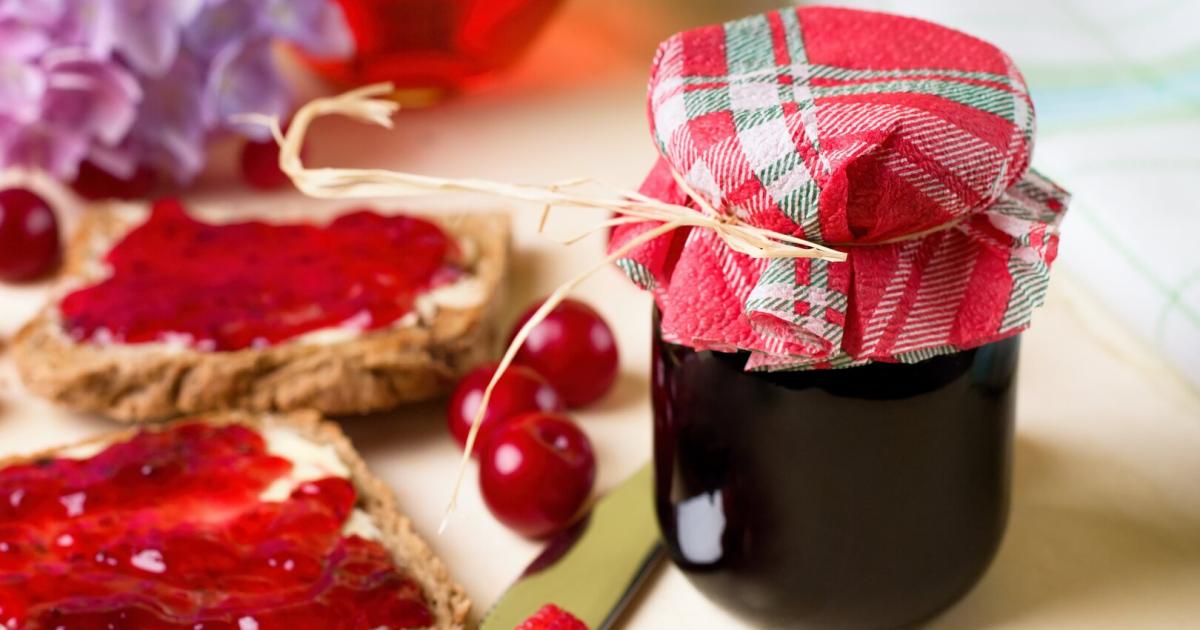
The return of “marmalade” to its rightful place on the label is more than just a semantic shift; it’s a recognition of the cultural significance of food and the importance of preserving traditions. As consumers rediscover the joy of a simple slice of bread spread with their favorite “marmalade,” they’ll be reminded of the enduring power of food to connect us to our past and to each other.
The European Commission is expected to release further guidance on the implementation of Directive 2024/1438 in the coming months. Stay tuned to World Today Journal for ongoing coverage of this developing story and its impact on the European food industry. We encourage readers to share their thoughts and experiences with “marmalade” in the comments below.
Related reading