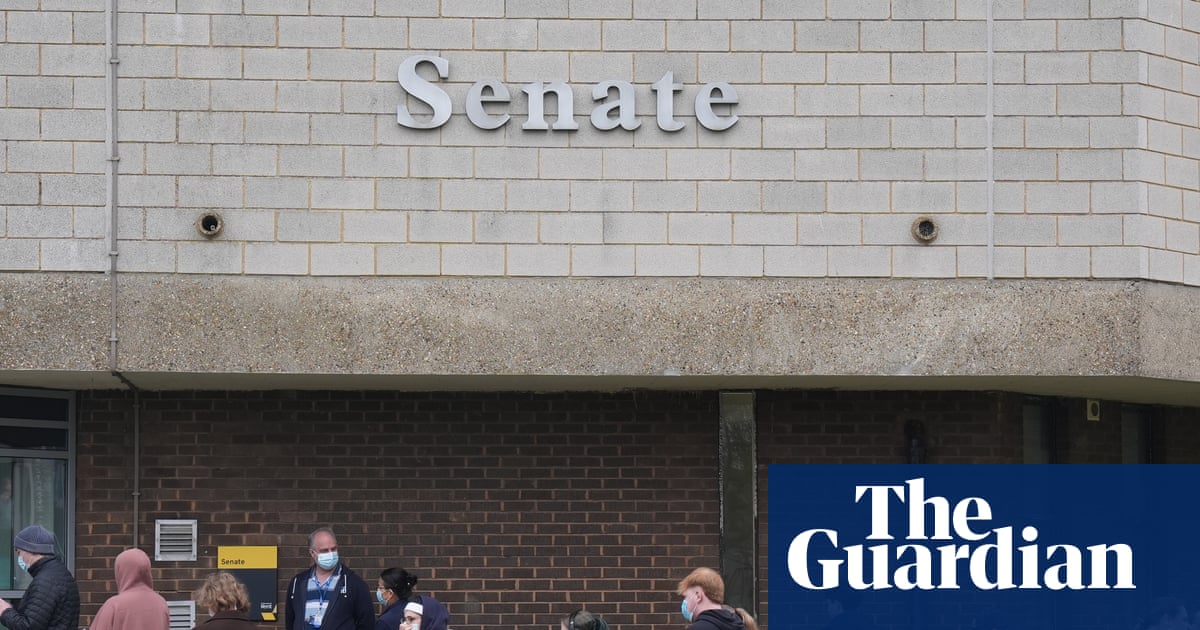
A rapidly escalating outbreak of meningococcal disease in Kent, England, is prompting urgent public health measures, including antibiotic distribution and a targeted vaccination program. As of Wednesday, March 18, 2026, health officials are investigating 20 cases of the infection, with nine confirmed and eleven still under investigation. The outbreak, which has tragically resulted in two deaths – including a student at the University of Kent – is primarily affecting young adults, raising concerns across the region and prompting a national-level response. This situation underscores the importance of recognizing the symptoms of meningitis and seeking prompt medical attention.
The current outbreak is particularly concerning due to its speed and concentration within a specific demographic. Health authorities describe the situation as “unprecedented,” noting the high number of cases appearing in a short timeframe. The UK Health Security Agency (UKHSA) is working closely with the National Health Service (NHS) to contain the spread, focusing on individuals with close contacts to confirmed cases and those who attended specific social gatherings. The swift response aims to limit further transmission and protect vulnerable populations. The focus on young adults highlights the importance of awareness within university and college communities.
Six of the confirmed cases have been identified as group B meningococcal disease (MenB). While a separate case of MenB has been identified in a baby, officials state this case is not currently linked to the broader outbreak but remains under investigation. The UKHSA has already administered over 2,500 doses of antibiotics to students, close contacts, and individuals who attended Club Chemistry in Canterbury between March 5th and 7th. This proactive approach is intended to provide preventative treatment and curb the outbreak’s progression. The availability of antibiotics to those who visited Club Chemistry, even if they have since travelled outside of Kent, is a key component of the public health strategy.
Rising Case Numbers and Targeted Vaccination
The number of cases under investigation has increased from 15 to 20 since Tuesday, March 17, 2026, according to the UKHSA. This increase underscores the dynamic nature of the outbreak and the need for continued vigilance. As a precautionary measure, a targeted vaccination program is being rolled out, beginning with approximately 5,000 students residing in Canterbury campus halls of residence at the University of Kent. The possibility of extending the vaccination program to other at-risk groups is under continual review, demonstrating the UKHSA’s commitment to adapting its response as the situation evolves. The speed of this rollout is critical in mitigating further spread.
The health secretary, Wes Streeting, confirmed to Members of Parliament that most students are unlikely to have already received the MenB vaccine, as it was introduced as part of routine childhood immunizations in 2015. He emphasized the unprecedented nature of the outbreak and the rapid development of the situation, highlighting the urgency of the vaccination program. The NHS is working to ensure the swift and efficient delivery of vaccines to those most at risk.
Symptoms and Treatment: What You Need to Realize
Meningitis is an inflammation of the protective membranes surrounding the brain and spinal cord, and can be caused by bacterial or viral infections. Early symptoms can include a sudden high fever, a stiff neck, and a rash that doesn’t fade when pressed with a glass – a key sign to watch for. Other symptoms may include severe headache, aversion to light, vomiting, diarrhea, seizures, joint and muscle pain, confusion, and extreme sleepiness. However, the UKHSA notes that not all symptoms may be present in every case.
Bacterial meningitis is particularly serious and often requires hospital care, including antibiotics, fluids, and oxygen. Prompt treatment is crucial, as approximately one in ten cases can be fatal. The UKHSA urges anyone experiencing symptoms, or concerned about a loved one, to seek immediate medical attention by contacting their general practitioner (GP) or calling NHS 111. Early diagnosis and treatment significantly improve outcomes.
Vaccine Supply Concerns and National Oversight
While the vaccination program is underway, concerns have been raised regarding the availability of the MenB vaccine for private purchase. Olivier Picard, chair of the National Pharmacy Association, reported on BBC Radio 4’s Today program that pharmacies are currently out of stock, and distributors are experiencing supply chain issues. This situation underscores the reliance on the NHS for vaccine access during this outbreak. The NHS is prioritizing distribution to those identified as most at risk through the targeted vaccination program.
The severity of the outbreak has prompted a national-level oversight response from the NHS, initially managed as a major incident at the regional level. Susan Hopkins, chief executive of the UKHSA, described the situation as a “super-spreader event,” linked to social mixing, particularly within university halls of residence and potentially at gatherings like those held at Club Chemistry. She noted that in her 35 years of medical experience, she has not witnessed such a rapid accumulation of cases in a single weekend. Dr. Thomas Waite, England’s deputy chief medical officer, echoed this sentiment, stating It’s the quickest-growing outbreak he has seen in his career.
Understanding Meningococcal Disease
Meningococcal disease is caused by the bacterium Neisseria meningitidis, and can lead to meningitis and septicaemia (blood poisoning). There are several different serogroups of the bacteria, with group B being particularly prevalent in the UK. The disease is spread through close contact, such as coughing, sneezing, and kissing. While anyone can contract meningococcal disease, it is most common in infants, young children, and young adults. Vaccination is the most effective way to protect against certain serogroups, including MenB.
Four schools across Kent have also confirmed cases, leading to antibiotic offers for hundreds of individuals as an immediate preventative measure. This broad approach demonstrates the UKHSA’s commitment to containing the outbreak and protecting the wider community. The ongoing investigation aims to identify all close contacts and provide appropriate treatment and guidance.
The UKHSA continues to investigate the source of the initial infection and the factors contributing to the explosive growth of cases. This investigation will be crucial in informing future prevention strategies and ensuring a coordinated response to similar outbreaks. The agency is also monitoring the situation closely for any signs of spread beyond Kent.
The situation remains fluid, and the UKHSA will provide further updates as they turn into available. The next scheduled update is expected on Friday, March 20, 2026, when the agency will release a detailed report on the progress of the vaccination program and the latest case numbers. For the most up-to-date information and guidance, please refer to the UKHSA website and the NHS website.
We encourage readers to share this information with their networks and to remain vigilant for symptoms of meningitis. Your comments and questions are welcome below.
Related reading