Japan Secures Women’s Asian Cup Final Berth, Defeats South Korea 4-1
SYDNEY – Japan’s women’s national football team emphatically advanced to the final of the Women’s Asian Cup, defeating South Korea 4-1 in a compelling semi-final clash held Wednesday, March 18, 2026, at Sydney’s Stadium Australia. The victory sets the stage for a highly anticipated final against Australia, marking the third time in four tournaments that Japan will compete for the championship against their regional rivals. The match showcased Japan’s dominant form throughout the tournament, though South Korea did manage to break through the Nadeshiko’s previously unblemished defensive record.
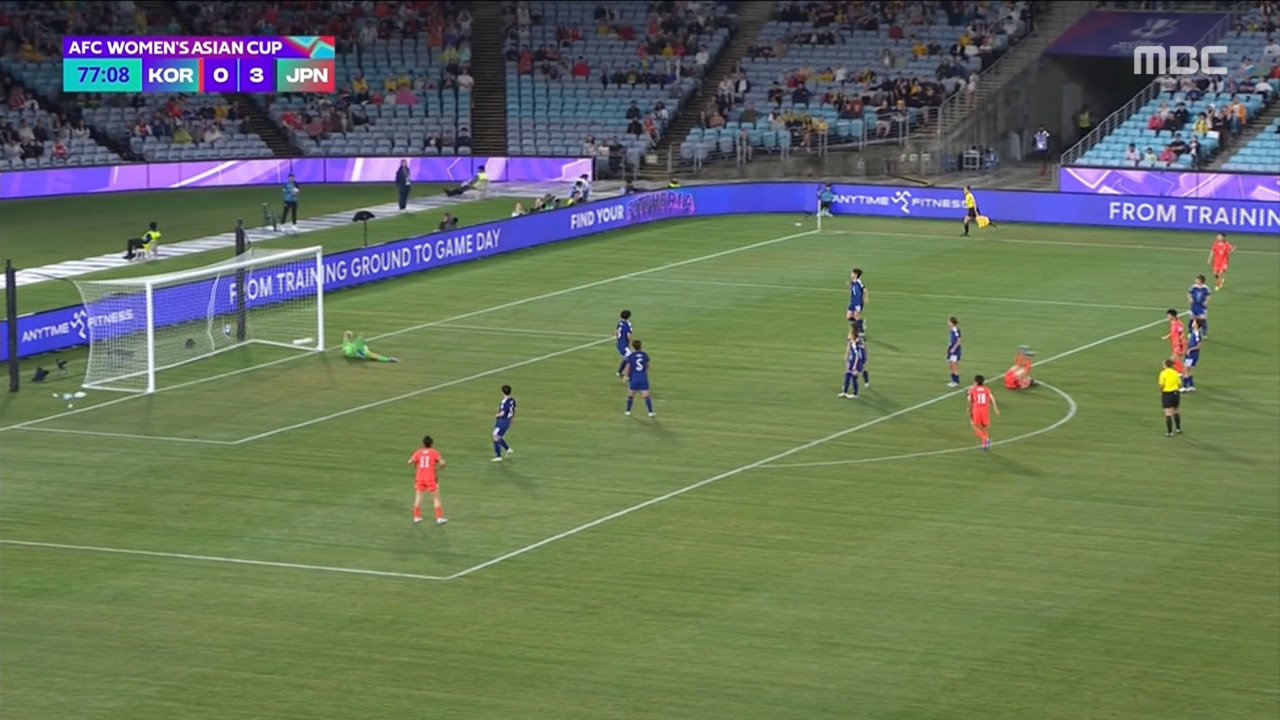
Riko Ueki opened the scoring for Japan in the 15th minute, quickly followed by a goal from Maika Hamano in the 25th minute, establishing a comfortable 2-0 lead at halftime. Japan continued to press in the second half, with Saki Kumagai extending the advantage in the 75th minute before Kang Chae-rim finally found the net for South Korea in the 78th minute. But, any hopes of a South Korean comeback were swiftly extinguished as Remina Chiba responded with a powerful strike just three minutes later, restoring Japan’s three-goal cushion and sealing the 4-1 victory. This win demonstrates Japan’s continued strength in Asian women’s football and their ambition to reclaim the continental title.
Early Dominance Sets the Tone
From the opening whistle, Japan asserted their control over the match, dictating the tempo and creating numerous scoring opportunities. Ueki’s early goal, a well-placed header, signaled Japan’s intent and put immediate pressure on the South Korean defense. Hamano’s subsequent goal, a precise right-footed shot, further solidified Japan’s advantage before the break. The Nadeshiko’s attacking prowess and cohesive teamwork proved too much for South Korea to handle in the first half, showcasing their tactical superiority and clinical finishing.
The Japanese side continued to convert possession into chances after the interval. Kumagai’s goal, a header from a corner kick delivered by Momoko Tanikawa, highlighted Japan’s set-piece threat and their ability to capitalize on opportunities from all areas of the pitch. The goal was Kumagai’s fourth in her international career, a significant contribution from a seasoned defender. Japan’s overall tally in the championship now stands at 27 goals, demonstrating their prolific scoring record throughout the competition.
South Korea’s Brief Respite
Despite being largely outplayed, South Korea demonstrated resilience and managed to identify the back of the net in the 78th minute through Kang Chae-rim. Her goal, a right-footed shot from close range, marked the first time Japan had conceded in the entire tournament, ending a remarkable run of clean sheets for the Nadeshiko. However, the momentary joy for the South Korean team was short-lived, as Chiba quickly responded with a decisive goal to re-establish Japan’s dominance.
This goal from Kang Chae-rim, even as a consolation, is noteworthy as it ended Japan’s streak of not conceding a goal throughout the tournament. According to reports, this was the first goal Japan had allowed in the 2026 Asian Cup. The South Korean team, who had previously edged Australia on goal difference in the group stage, struggled to replicate that form against the top-ranked team in Asia.
Looking Ahead to the Final
Japan’s victory sets up a compelling final against Australia, a rematch of previous encounters in the Women’s Asian Cup. Japan will be aiming to secure their second Asian Cup title, having previously won in 2014. The final, scheduled for Saturday in Sydney, promises to be a fiercely contested affair, with both teams eager to claim the continental crown. Japan coach Nils Nielsen expressed cautious optimism, stating, “Please don’t tell Australia, but we have played better than we did today — but we were excellent today and I was happy with them.” He acknowledged the team’s need to elevate their performance further for the final, emphasizing the importance of finding another gear.
The match against South Korea highlighted Japan’s strengths – their attacking fluidity, defensive solidity, and tactical flexibility. However, they will need to maintain their focus and intensity to overcome a determined Australian side on home soil. Australia will undoubtedly present a formidable challenge, fueled by the support of their passionate fans and a desire to avenge their group stage result against South Korea. The final is poised to be a captivating spectacle, showcasing the best of women’s football in Asia.
South Korea’s Winless Streak Continues
For South Korea, the defeat extends their winless streak against Japan to 10 matches. Their last victory against Japan dates back to 2015, when they secured a 2-1 win at the East Asian Cup. This latest loss underscores the challenges South Korea faces in overcoming their historical struggles against their Japanese counterparts. Despite a valiant effort and a late goal, they were ultimately unable to break the cycle of defeats.
The South Korean team will now turn their attention to future competitions, aiming to build on their experience and address the areas where they fell short against Japan. They will need to analyze their performance, identify areas for improvement, and develop a strategy to compete more effectively against top-tier opponents. The team’s resilience and determination will be crucial as they strive to regain their competitive edge in Asian women’s football.
The Women’s Asian Cup final between Japan and Australia is scheduled for Saturday and promises to be a thrilling conclusion to the tournament. Japan enters the match as favorites, but Australia’s home advantage and determined spirit will make for a captivating contest. Fans across the globe will be eagerly tuning in to witness the battle for the continental title.
Keep reading
- NBA Trade Deadline: Top Predictions and Rumors Ahead of the Final Countdown
- Eddie Howe Resigns from Newcastle: Shock Departure and Top Candidates for Replacement
- 7.1 Magnitude Earthquake in Southwest Japan Claims At Least 30 Lives (newsdirectory3.com)
- Japan Cuts GDP Growth Forecast as South Korea, Taiwan Surge on AI Semiconductor Boom (archynewsy.com)