
Los Angeles Eviction Attorney Faces Disciplinary Action Amid AI Concerns
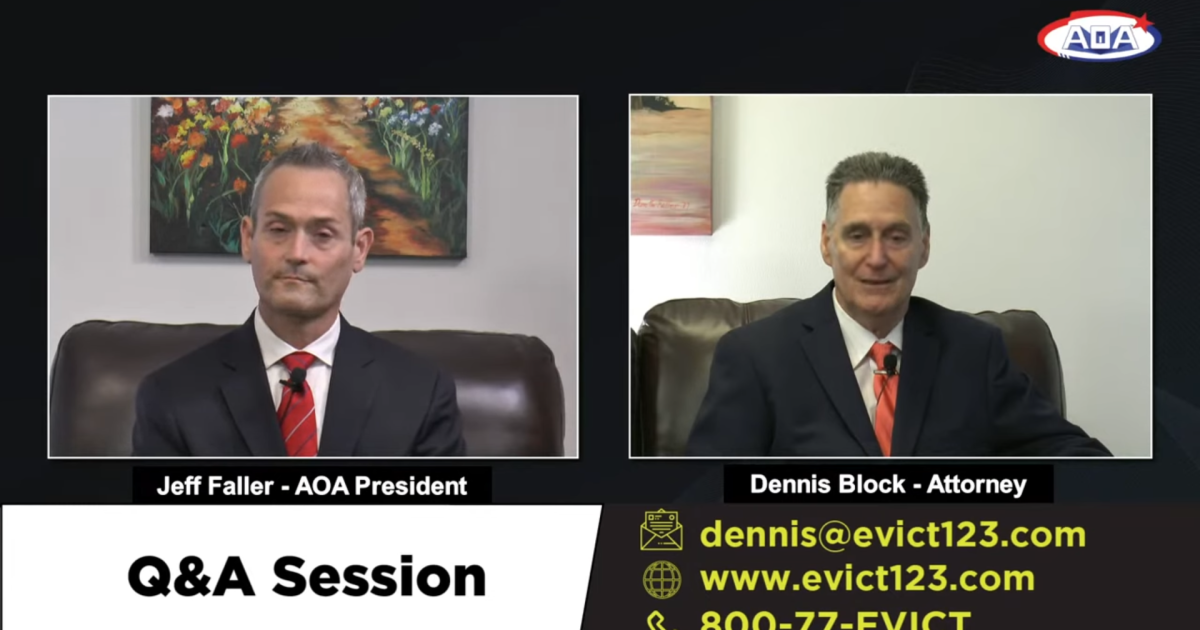
Los Angeles attorney Dennis Block, a figure known for his extensive involvement in eviction cases, is facing mounting disciplinary charges from the California State Bar. The latest allegations, filed last week, build upon previous complaints lodged against Block in December, centering around claims of professional misconduct and, notably, the submission of a court filing containing fabricated case law. This incident has ignited a debate surrounding the employ of artificial intelligence in legal practice and the responsibilities of attorneys when utilizing such tools. The case raises critical questions about diligence, honesty, and the potential for AI to undermine the integrity of the legal system.
The current charges allege that Block “failed to perform with diligence” and “committed acts involving moral turpitude, dishonesty, and corruption,” according to filings with the State Bar. If proven, these charges could lead to significant repercussions for Block, ranging from suspension of his law license to complete disbarment. Block, who previously established a firm specializing in evictions for landlords, has built a decades-long career representing property owners in Los Angeles County. He has reportedly handled thousands of eviction cases over nearly 50 years of practice. However, recent scrutiny from the State Bar casts a shadow over his professional record.
The Fabricated Filing and the Role of AI
The core of the recent disciplinary action stems from a 2023 incident where Block submitted a legal brief in eviction court that cited non-existent case law. A judge at the time reportedly stated that the filing contained “an entire body of law that was fabricated.” While Block did not appear in court to explain the origins of the document, legal experts quickly speculated that the filing was generated, at least in part, by artificial intelligence. AI tools, while capable of rapidly processing information, are known to be prone to errors and “hallucinations,” generating plausible-sounding but entirely fictitious content. This case highlights the potential dangers of relying on AI-generated legal arguments without thorough verification.
Lydia Nicholson, an attorney with the Los Angeles Center for Community Law and Action who represented the tenant in the underlying eviction case, expressed concern over the implications of the incident. “Tenants are already so vulnerable in these court cases,” Nicholson stated. “And to have that added step of basically just trying to lie to win is even worse.” The incident underscores the power imbalance often present in eviction proceedings and the importance of ensuring fair and accurate legal representation for all parties involved.
The use of AI in legal practice is rapidly evolving, with tools becoming increasingly sophisticated. Ari Waldman, a professor at the UC Irvine School of Law, cautions against the uncritical adoption of these technologies. Waldman argues that while AI can be a useful tool for legal research, lawyers who rely on it to draft and file briefs without rigorous fact-checking should face severe consequences, even disbarment. “No responsible lawyer should ever use AI to replace critical thinking, analysis and basic research,” Waldman asserted. The Block case serves as a stark warning about the potential pitfalls of unchecked AI integration into the legal profession.
Previous Allegations and Ongoing Investigation
The current charges are not the first levied against Block by the California State Bar. In December 2023, the bar filed a series of disciplinary charges alleging improper financial practices. These earlier allegations included claims that Block wrongly collected “non-refundable” fees from clients, failed to properly account for client funds, and delayed returning property after clients terminated their representation. These initial charges suggest a pattern of questionable conduct that predates the AI-related incident.
During the 2023 sanctions hearing related to the fabricated filing, an attorney from Block’s firm attempted to attribute the error to a recently hired lawyer who was no longer employed by the firm. However, the State Bar contends that Block, by signing the filing himself, personally vouched for its accuracy and therefore bears responsibility for its contents. This highlights the ethical obligation of attorneys to verify the accuracy of all documents submitted to the court.
Block’s Experimentation with AI and Industry Response
The incident with the fabricated filing isn’t the only instance of Block’s engagement with artificial intelligence. Since the 2023 case, he has reportedly incorporated AI-generated imagery into his regular YouTube briefings for landlords. In one 2025 video, Block debuted an original song titled “The Tenant From Hell,” which he described as being created “with a lot of help from artificial intelligence.” This demonstrates a willingness to explore the creative potential of AI, even as questions linger about its appropriate use in legal settings.
Daniel Yukelson, executive director of the Apartment Association of Greater Los Angeles, a landlord advocacy group, defended Block, characterizing the disciplinary charges as allegations that have not yet been proven. “Mr. Block has shown himself to be very knowledgeable of rental housing regulations and he is a wonderful educator and presenter on the complicated regulations our members are forced to comply with,” Yukelson stated in an email. This statement reflects the support Block has garnered within the landlord community, where he has long been a prominent figure.
Implications for the Legal Profession and Tenant Rights
The case of Dennis Block raises broader concerns about the integration of AI into the legal profession and the potential for errors and ethical breaches. As AI tools develop into more prevalent, legal professionals must exercise caution and prioritize thorough verification of AI-generated content. The State Bar of California’s investigation into Block’s conduct underscores the importance of upholding ethical standards and ensuring accountability in the face of technological advancements.
The incident similarly highlights the vulnerability of tenants in eviction proceedings. Eviction cases often involve complex legal issues and significant power imbalances between landlords and tenants. The submission of fabricated case law, even if unintentional, can further disadvantage tenants and undermine their ability to defend their rights. Organizations like the Los Angeles Center for Community Law and Action play a crucial role in providing legal assistance and advocacy for tenants facing eviction.
The California State Bar’s proceedings against Dennis Block are ongoing. The next steps in the case remain to be seen, but the outcome will likely have significant implications for the legal profession and the use of AI in legal practice. The case serves as a cautionary tale about the need for responsible innovation and the importance of upholding ethical standards in the age of artificial intelligence. Updates on the case can be found on the State Bar of California website.
Key Takeaways:
- Los Angeles eviction attorney Dennis Block faces disciplinary charges for submitting a court filing with fabricated case law.
- The incident has sparked a debate about the ethical implications of using artificial intelligence in legal practice.
- The California State Bar is investigating Block’s conduct and could impose sanctions ranging from suspension to disbarment.
- Legal experts emphasize the importance of verifying AI-generated content and upholding ethical standards.
- The case highlights the vulnerability of tenants in eviction proceedings and the need for fair legal representation.
The State Bar’s investigation is ongoing, and further developments are expected in the coming months. We will continue to follow this story and provide updates as they become available. Share your thoughts on the use of AI in the legal system in the comments below.