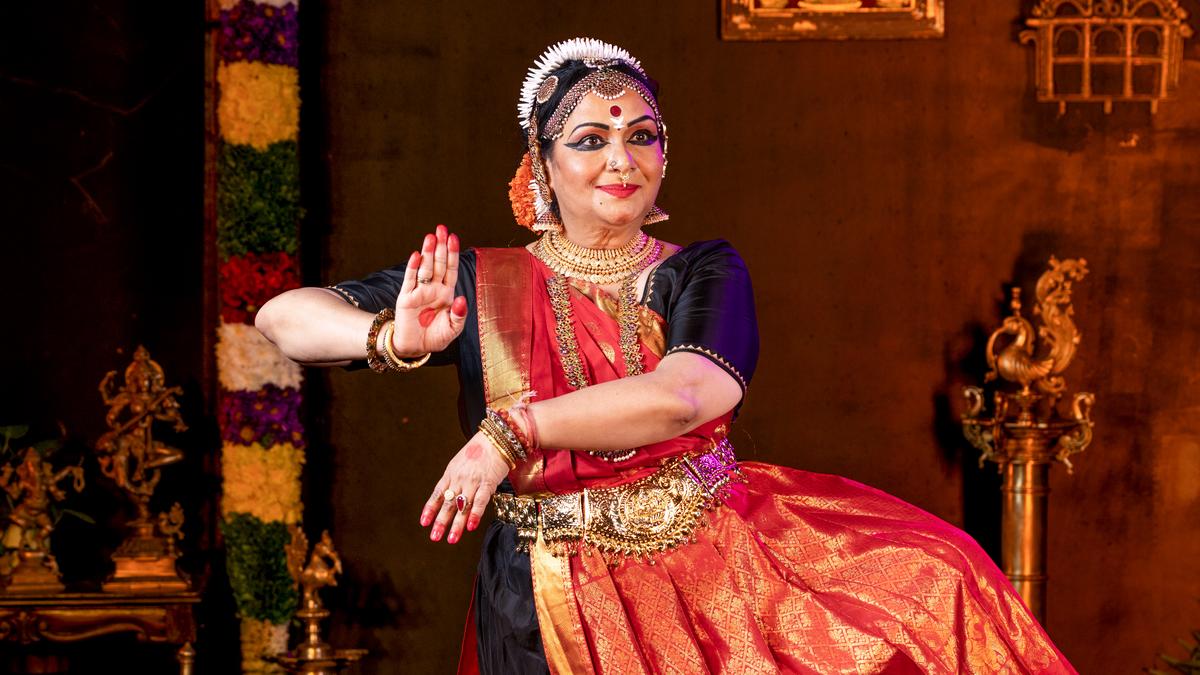
A Fresh Interpretation of Tradition: Pancharatna Kritis Reimagined Through Dance
In a unique artistic endeavor, the Kalarpana Trust is presenting a fresh take on a centuries-old tradition this year. Seasoned Bharatnatyam artists – Padmini Ravi, P Praveen Kumar, Prathibha Prahlad, Lakshmi Gopalaswamy, Soundarya Srivathsa and Sathyanarayana Raju – will perform the Pancharatna Kritis, compositions by the revered saint-composer Tyagaraja, through the expressive medium of dance. This innovative approach aims to connect with audiences in a new way, bridging the gap between classical music and classical dance, and ensuring the continued relevance of Tyagaraja’s work for generations to come. The performance, scheduled for March 20th, promises a captivating experience that honors both the musical and choreographic traditions of India.
The Pancharatna Kritis, meaning “five gem compositions,” are considered among Tyagaraja’s most celebrated works. Tyagaraja, a prominent figure in the Trinity of Carnatic music – alongside Muthuswami Dikshitar and Syama Sastri – lived from 1760 to 1847 and composed thousands of devotional songs in Telugu and Sanskrit. Britannica details his profound influence on Carnatic music. Presenting these compositions through dance is not entirely new, but the scale and caliber of artists involved in this Kalarpana Trust production mark a significant moment in the evolving interpretation of this sacred repertoire.
The event will begin with a performance by students from Samskruthi, Sathyanarayana Raju’s dance school, presenting pillari geethe, a traditional devotional song often performed during Tyagaraja Aradhane. Guru Sheela Chandrashekhar will also present Dasarapada, further grounding the performance in established Carnatic traditions. The production will feature a total of 25 performers – seven senior dancers and 18 students – accompanied by a 27-member sangeeta vadhya vrunda, a live musical ensemble comprising vocals, nattuvanga (cymbals and rhythmic speech), mridangam (a double-sided drum), and the flute. This large ensemble underscores the ambition and scope of the project, aiming for a rich and immersive artistic experience.
The Evolution of a Concept: Dance as Interpretation
The idea of interpreting the Pancharatna Kritis through dance is gaining momentum, reflecting a growing desire among dancers to engage with these masterpieces on a deeper level. Sathyanarayana Raju explains, “With the Tyagaraja Aradhane continuing to hold immense cultural and spiritual significance, dancers have been passionate about choreographing these masterpieces.” He notes that audiences are increasingly receptive to this approach, finding a new connection to the kritis they have known for years. The ability to experience the music through the visual language of dance offers a fresh perspective, allowing audiences to relate to the compositions in a more visceral and emotional way.
Prathibha Prahlad, who will present ‘Sadinchane’ in Arabhi, highlights the intricate layers within these compositions that lend themselves beautifully to abhinaya, the art of expression in Indian classical dance. “These keerthane contain intricate layers that can be taken up for natural abhinaya,” she explains. “At the same time, dancers often take creative liberties with choreography. The swaras can be interpreted through nritta, while the sahitya lends itself beautifully to expressive storytelling.” This balance between tradition and innovation is key to the success of this project, allowing each artist to bring their unique interpretation to the timeless compositions.
Exploring the Devotional Essence: Bhakti and Rasa
Lakshmi Gopalaswamy, who will perform ‘Kanakana Ruchira’ in Varaali, believes that Tyagaraja himself would be pleased to see his music inspiring new artistic expressions. She emphasizes the challenge of portraying bhakthi (devotion) in Tyagaraja’s pieces, stating that experiencing and expressing this rasa (aesthetic flavor) is a deeply personal journey for any dancer. “To convey the devotional essence of Tyagaraja’s compositions requires years of practice and sadhana,” she says. “Only through sustained engagement can a dancer begin to understand the emotional depth of what Tyagaraja has written. We study them not just line by line, but as a comprehensive thoughtful exhortation to the Lord.”
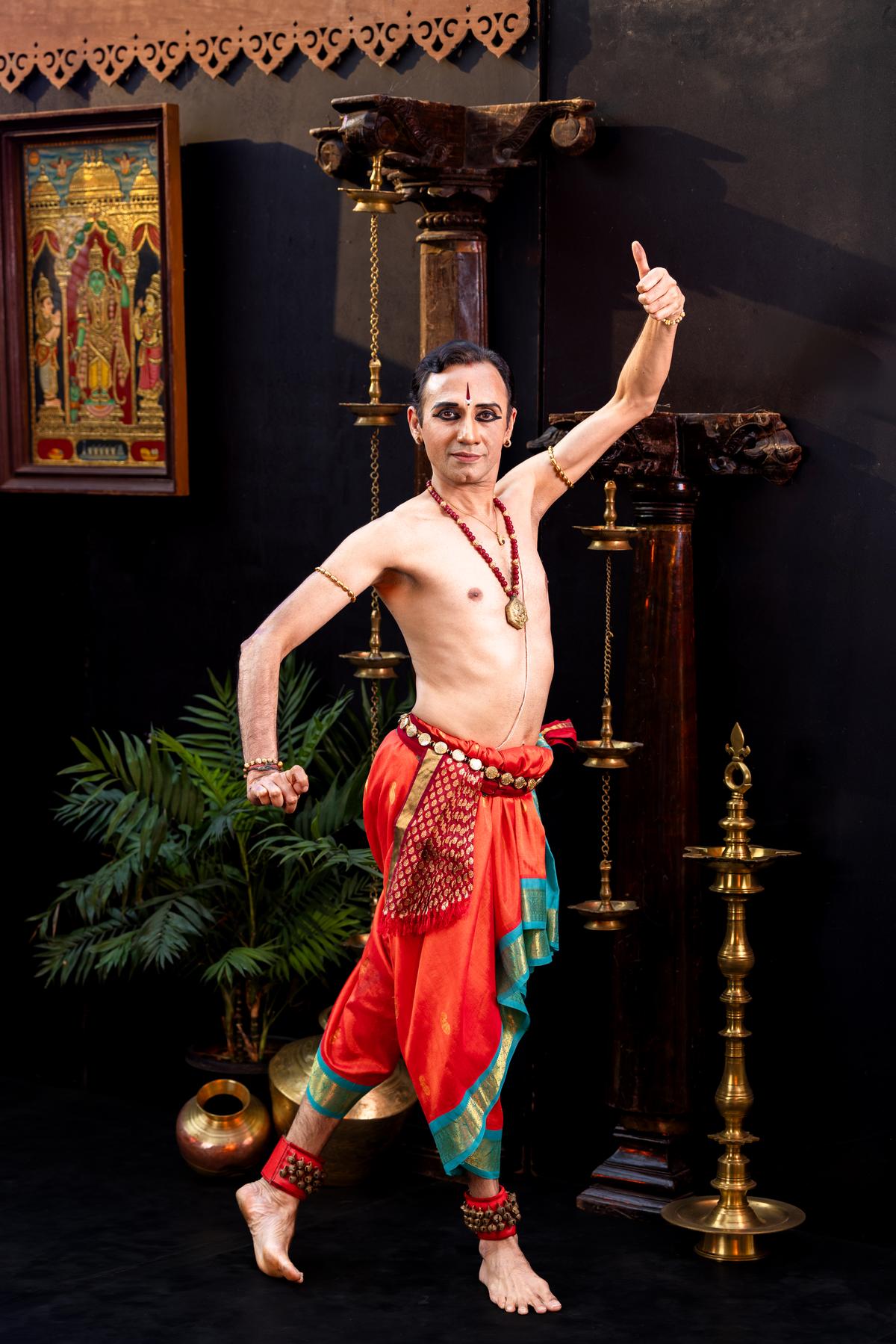
Praveen Kumar, who will be performing alongside Soundarya Srivathsa, echoes this sentiment, noting the privilege of performing with a large, live ensemble. “I have always loved performing to live music because grand compositions such as Tyagaraja’s allow for deeper artistic dialogue,” he says. “It gives me the freedom to respond to the nuances of music and bring it out in the characters and emotions I portray on stage.” The presence of 27 musicians will undoubtedly enhance the performance, creating a dynamic and immersive experience for both the dancers and the audience.
A Rare Collaboration: Live Music and Choreographic Innovation
The event will be further enriched by the live musical accompaniment, with Padmini Ravi opening the performance with ‘Jagadanandakaraka’ in Nattai. Both Padmini and Soundarya Srivathsa have expressed their enthusiasm for the opportunity to perform with such a large ensemble, noting that It’s a relatively rare occurrence. The combination of seasoned dancers, a live orchestra, and the timeless beauty of Tyagaraja’s compositions promises a truly unforgettable evening.
The Tyagaraja Aradhane by the Kalarpana Trust will be held at JSS Auditorium, Jayanagar 7th block, on March 20th. The event will commence with Unchavritti at 8:45 am, followed by the dance performance at 10:00 am. Admission is free, making this cultural event accessible to a wide audience. The Kalarpana Trust, dedicated to preserving and promoting Indian arts and culture, as detailed on their website, continues to innovate in its approach to traditional art forms.
Key Takeaways
- The Kalarpana Trust is presenting a unique dance interpretation of Tyagaraja’s Pancharatna Kritis on March 20th.
- The performance features renowned Bharatnatyam artists and a 27-member live orchestra.
- The event aims to bridge the gap between classical music and dance, making Tyagaraja’s work accessible to a wider audience.
- Dancers emphasize the challenge and reward of portraying the devotional essence (bhakthi) within Tyagaraja’s compositions.
As the preparations for this event draw to a close, anticipation is building within the Carnatic music and dance community. The performance promises not only a celebration of Tyagaraja’s legacy but also a testament to the enduring power of artistic innovation. The Kalarpana Trust’s commitment to fostering cultural exchange and preserving India’s rich artistic heritage ensures that events like this will continue to inspire and enrich audiences for years to come. Further details regarding the Kalarpana Trust’s future events can be found on their official website.
What are your thoughts on blending traditional music with dance? Share your comments below, and don’t forget to share this article with fellow arts enthusiasts!
Worth a look