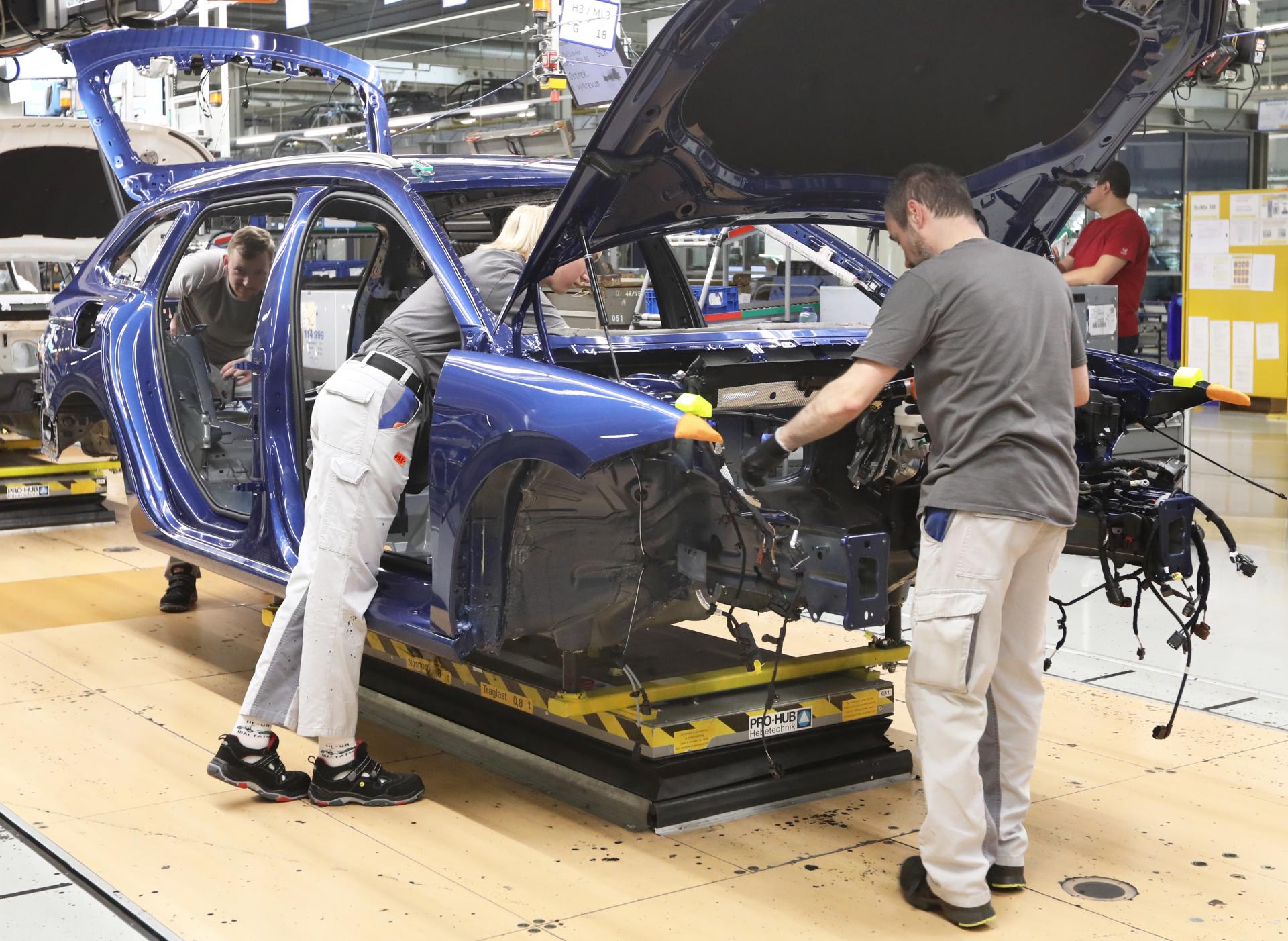
Slovakia’s Automotive Sector Poised to Absorb Workers Following Samsung Plant Closure
Galanta, Slovakia – A wave of uncertainty has washed over the Slovakian manufacturing landscape with Samsung Electronics Slovakia’s announcement to cease television production at its Galanta facility by the end of May 2026. The closure will impact approximately 750 employees, raising concerns about job security in the region. Though, government officials are expressing cautious optimism, pointing to a robust automotive industry as a potential safety net for displaced workers. The situation underscores the broader economic pressures facing European manufacturers, particularly those related to energy costs and global competition.
The decision to shutter the Galanta plant, while maintaining Samsung’s European logistics center which employs 750 people, was reportedly driven by declining demand for televisions, escalating energy prices, and a strategic realignment of the company’s priorities. According to sources, European management within Samsung actively participated in the establishment and launch of the production line, making the decision to close it a difficult one. The higher cost of electricity in Europe compared to Asia and the Americas is cited as a key factor diminishing the competitiveness of European-produced goods.
Government Response and Automotive Industry Opportunities
Slovakian authorities were informed of Samsung’s decision only hours before the company’s public announcement to its employees, a fact highlighted by Undersecretary of the Government and Minister of Economy, Denisa Saková. Despite the short notice, the government is moving quickly to mitigate the impact on affected workers. Minister of Labour, Social Affairs and Family Erik Tomáš, alongside Saková, recently announced a plan to leverage the strength of Slovakia’s automotive sector to absorb the workforce.
Tomáš stated that automotive manufacturers have indicated a willingness to hire Slovakian citizens, even potentially prioritizing them over foreign workers. “Automobilky nám povedali, že dajú slovenským občanom prácu aj na úkor cudzincov,” Tomáš said, as reported by local news outlets. Specifically, Jaguar Land Rover and Stellantis, both with significant operations in Slovakia, are actively recruiting. Jaguar Land Rover is seeking 380 new employees by the end of 2026, while Stellantis in Trnava anticipates needing up to 800 additional workers.
To facilitate the transition, a detached branch of the Labour Office will be established within the Samsung facility in Galanta. This on-site presence will provide affected employees with direct access to job placement services and collaboration with employment agencies. Daniela Schweizer, Recruitment Manager at Jaguar Land Rover Slovakia, confirmed the company’s plans to expand its teams in the second quarter of 2026, focusing on skilled professionals, engineers, and production workers in departments such as maintenance, logistics, assembly, bodywork, and painting.
Broader Economic Concerns and Sectoral Shifts
The Samsung closure is occurring against a backdrop of deteriorating business expectations across Slovakia. While the automotive sector appears resilient, other industries are facing headwinds. Reports indicate a significant shift in the economic outlook compared to the previous year, with some sectors anticipating job losses while others are expected to see growth. The specific sectors facing the most challenging conditions in the April-June period remain to be fully detailed.
The situation also highlights the ongoing challenges of maintaining manufacturing competitiveness in Europe. High energy costs are a recurring theme, impacting not only Samsung but potentially other energy-intensive industries. This has led to discussions about the need for policies to support domestic manufacturing and attract investment. In February 2026, Slovakia’s unemployment rate reportedly decreased, suggesting a generally tight labor market, but the Samsung closure introduces a new dynamic that requires careful management.
China’s Investment Considerations
Recent reports suggest that even Chinese automotive manufacturers have considered Slovakia as a potential manufacturing location but ultimately opted for Spain, citing high costs as a deterrent. This decision underscores the broader challenges Slovakia faces in attracting foreign investment and maintaining its position as a competitive manufacturing hub. HNOnline reported on this development, highlighting the cost factors influencing investment decisions.
Looking Ahead
The coming months will be critical for both the affected Samsung employees and the Slovakian government. The success of the automotive industry’s ability to absorb the displaced workforce will be a key indicator of the effectiveness of the government’s response. Continued monitoring of the broader economic situation and proactive measures to address the challenges facing European manufacturers will be essential to ensure Slovakia’s long-term economic stability.
The government’s immediate focus remains on providing support and resources to the Samsung employees, facilitating their transition to new employment opportunities, and working with industry partners to maximize job creation. The next key development to watch will be the implementation of the on-site Labour Office branch and the progress of recruitment efforts by Jaguar Land Rover and Stellantis.
What are your thoughts on the future of manufacturing in Slovakia? Share your comments below and let us know how you think the government can best support affected workers and attract new investment.