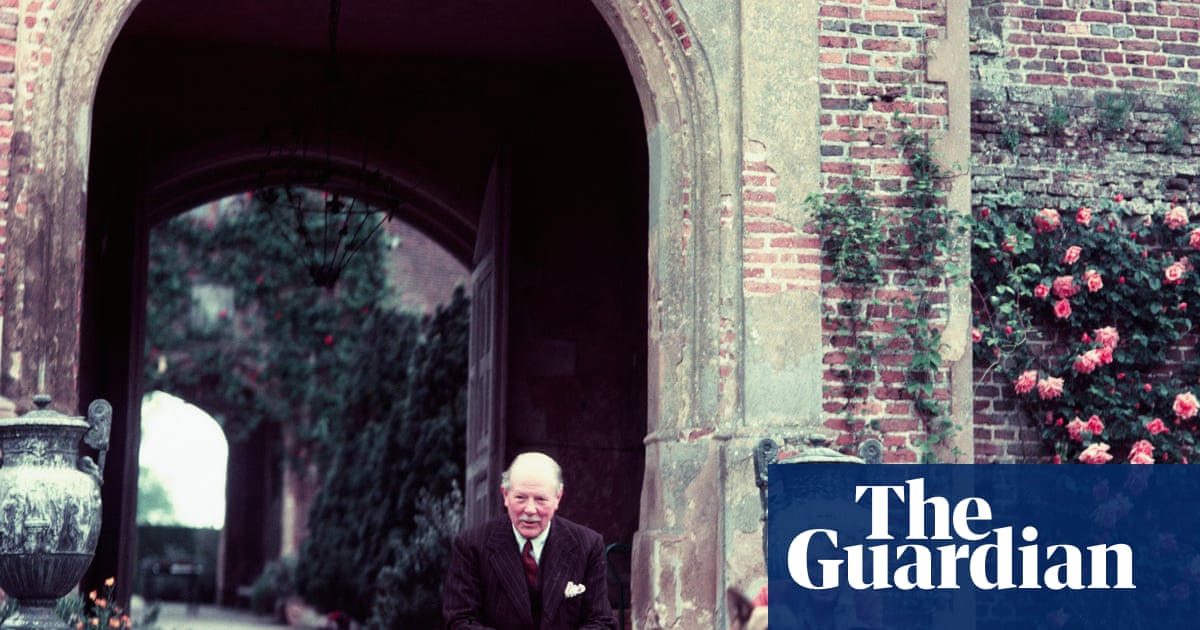
The stately homes and gardens of Britain, often symbols of tradition and heritage, are revealing a hidden history. A new book, “A Queer Inheritance: Alternative Histories in the National Trust,” by Michael Hall, unearths the often-overlooked contributions and lives of LGBTQ+ individuals who shaped the National Trust’s properties and the cultural landscape of England. The book arrives at a moment when the National Trust itself has become a focal point in broader cultural debates, recently facing criticism – and, some would say, manufactured controversy – over a change to its scone recipe, with some commentators decrying the move to a vegan version as evidence of “wokeness.” But Hall’s work suggests that the institution has, in many ways, been intertwined with queer history from its exceptionally beginnings.
Hall, a former architecture editor of Country Life and author of previous works on Waddesdon Manor and the Gothic revival, meticulously details how queer individuals navigated a society steeped in repression and hypocrisy during the Victorian and Edwardian eras. He demonstrates that their influence extended beyond simply inhabiting these grand estates; they actively shaped their design, atmosphere, and their preservation. The National Trust, established in 1895 – the same year Oscar Wilde was famously put on trial for “gross indecency” – now holds within its portfolio spaces that resonate with the stories of those who lived and loved in secret.
Unveiling Hidden Lives: Queer Figures and the National Trust
While the National Trust wasn’t founded *by* queer Victorians, Hall argues that their presence and impact were significant. He notes that one of the Trust’s founders, Octavia Hill, lived with a woman, though the nature of their relationship remains a subject of historical debate. However, Wilde himself had no direct link to the organization, and another co-founder was staunchly conservative. Nevertheless, the book reveals a network of individuals whose lives and legacies are interwoven with the properties now under the Trust’s care.
Vita Sackville-West and Harold Nicolson, partners in what was known as a “lavender marriage” – a union of convenience to conceal same-sex attractions – are prominently featured. Their creation of the gardens at Sissinghurst Castle Garden in Kent is a testament to their shared vision and artistic collaboration.
The gardens, renowned for their romantic and intimate character, stand as a lasting symbol of their relationship and creative partnership.
Other figures highlighted include Henry James, the celebrated novelist, who lived at Lamb House in Rye, and E.M. Forster, author of “A Room with a View” and “Howard’s End,” who resided at Piney Copse in Surrey. Hall suggests that Forster’s literary explorations of desire and social constraints were informed by his own experiences and the atmosphere of intellectual freedom he found in these spaces. Forster, according to Hall, indulged in reveries about “the greenwood,” a semi-mythical woodland with pagan connotations.
The Post-War Era and the “Extinct Generation”
The post-World War II period brought significant changes to the National Trust, as many country houses were transferred to the organization due to dwindling estates and the burden of inheritance tax. This period also saw the emergence of a particular demographic within the Trust’s orbit, as described by architectural historian James Lees-Milne in his diaries. Lees-Milne, tasked with persuading landowners to donate their properties, encountered what he termed an “extinct generation of bien, high-to-middlebrow bachelors, endowed with money, privilege and nice houses and possessions; queers with an Edwardian sense of the proprieties, snobbish yet full of confidence.”
Hall’s research brings to light the stories of these individuals, often living discreet lives amidst their inherited wealth and social standing. Their homes, filled with collections of art and artifacts, served as havens for a particular aesthetic, and lifestyle. Lees-Milne’s diaries provide a candid glimpse into this world, revealing both the charm and the complexities of these characters.
Beyond the “Better Class”: A Critical Perspective
While “A Queer Inheritance” offers a valuable contribution to understanding the LGBTQ+ history of the National Trust, the review in The Guardian notes a certain limitation in its scope. The book primarily focuses on the experiences of the upper classes, largely overlooking the lives of queer individuals from lower socioeconomic backgrounds. As the review points out, this creates a somewhat selective narrative, akin to a “Downton Abbey” perspective that doesn’t delve into the lives of those “below stairs.”
the author, at times, appears to search for queer subtext in various aspects of cultural life, from the Arts and Crafts movement – noting its “gruff male diffidence” – to the potential inspirations behind Oscar Wilde’s “The Picture of Dorian Gray,” suggesting a connection to alleged “outrageous goings-on” at Clumber, the Duke of Newcastle’s estate. While Hall’s interpretations are thought-provoking, the review suggests a degree of speculation in some instances, particularly regarding the interest of some gentlemen in young male company.
The Scone Controversy and the Broader Context
The book’s publication coincides with a period of heightened scrutiny of the National Trust, fueled in part by a recent controversy over its decision to switch to a vegan scone recipe. As reported by The Independent, the change sparked criticism from some visitors who complained that the vegan scones were dry and lacked the flavor of traditional recipes. The National Trust defended the decision, stating that its scones have been made without butter for years, a claim that has been met with skepticism by some long-time members. The Times characterized the backlash as an overreaction, arguing that the quality of the scones remained high despite the recipe change.
This seemingly minor culinary adjustment has become a symbolic battleground in a larger debate about the National Trust’s role in contemporary society. Critics accuse the organization of embracing a “woke” agenda, while supporters defend its efforts to appeal to a wider audience and address environmental concerns. Hall’s book provides a historical context for this debate, demonstrating that the National Trust has always been a site of cultural negotiation and evolving values.
Key Takeaways
- “A Queer Inheritance” reveals the significant, yet often hidden, contributions of LGBTQ+ individuals to the National Trust’s properties and the broader cultural landscape of England.
- The book highlights the challenges faced by queer individuals in navigating a repressive society and the ways in which they found spaces for self-expression and community.
- The recent controversy over vegan scones underscores the ongoing debates about the National Trust’s role in contemporary society and its efforts to balance tradition with inclusivity.
- The research emphasizes the importance of recognizing and celebrating the diverse histories that shape our national heritage.
As the National Trust continues to evolve and adapt to the 21st century, “A Queer Inheritance” serves as a timely reminder that its properties are not simply repositories of the past, but living spaces that hold within them a multitude of stories, waiting to be discovered and shared. The National Trust is currently undertaking a project to further document and interpret LGBTQ+ histories at its properties, with more information available on their website. Readers interested in learning more about the book can purchase a copy from the Guardian Bookshop.
What are your thoughts on the intersection of LGBTQ+ history and national heritage? Share your comments below, and let’s continue the conversation.