
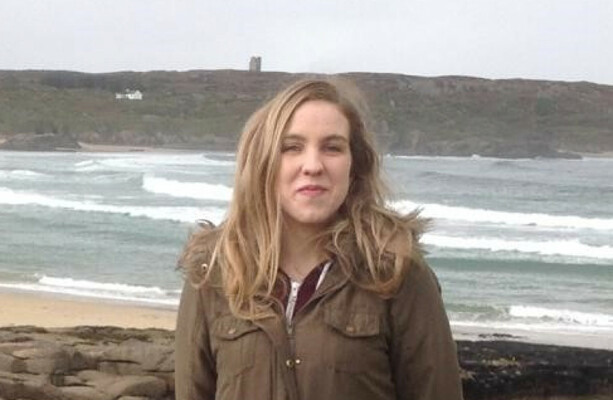
London, United Kingdom – New evidence presented in the Natalie McNally murder trial suggests the possibility of another perpetrator, defence counsel argued this week, raising questions about the sole focus on Stephen McCullagh. The case, which has gripped public attention in Northern Ireland, centers around the death of 32-year-old Natalie McNally, found murdered in her home in Lisburn in December 2022. McCullagh, her former partner, is accused of the crime.
The defence team has been meticulously challenging the prosecution’s case, focusing on alleged inconsistencies in the forensic evidence and timelines presented. Central to their argument is the assertion that the investigation may have prematurely fixated on McCullagh, potentially overlooking other viable suspects. While details emerging from the trial are subject to ongoing legal proceedings and reporting restrictions, the core of the defence’s claim rests on the interpretation of forensic findings and the possibility of an alternative sequence of events.
The Prosecution’s Case and Key Evidence
The prosecution’s case hinges on a combination of forensic evidence, including DNA found at the scene, and circumstantial evidence linking McCullagh to McNally’s residence on the night of the murder. Prosecutors have presented evidence suggesting McCullagh was in the vicinity of McNally’s home and that traces of his DNA were discovered on items within the property. The prosecution alleges that McCullagh had a motive related to the breakdown of their relationship and a dispute over financial matters. The trial has heard testimony from witnesses who described a strained relationship between the pair in the months leading up to McNally’s death.
However, the defence has consistently questioned the reliability and interpretation of the forensic evidence. They have highlighted potential issues with the handling of samples, the possibility of contamination, and alternative explanations for the presence of McCullagh’s DNA. Specifically, the defence has focused on the timing of the DNA transfer, arguing that it doesn’t necessarily indicate McCullagh was present during the commission of the crime. They have as well raised concerns about the lack of conclusive evidence directly linking McCullagh to the fatal injuries sustained by McNally.
Defence Claims: Evidence Points to ‘Another Killer’
The defence’s central argument, as reported by multiple news outlets, is that the evidence, when viewed holistically, points towards the involvement of another individual. While the specific details of this claim remain closely guarded due to ongoing legal restrictions, the defence team has suggested that certain forensic findings and inconsistencies in the timeline support the possibility of a different perpetrator. They have indicated that they intend to present evidence that suggests someone else had both the motive and the opportunity to commit the murder.
According to reports, the defence has focused on the lack of definitive evidence establishing McCullagh’s presence at the exact time of the murder. They have questioned the accuracy of mobile phone data used to place McCullagh near the scene and have presented alternative interpretations of the forensic evidence. The defence has also suggested that the investigation did not adequately explore other potential suspects or lines of inquiry.
Forensic Evidence Under Scrutiny
The forensic evidence has been a major point of contention throughout the trial. The prosecution has relied heavily on DNA evidence, arguing that the presence of McCullagh’s DNA at the scene is a strong indicator of his involvement. However, the defence has challenged the validity of this evidence, raising questions about the chain of custody, potential contamination, and the possibility of transfer. They have also argued that the amount of DNA found is insufficient to definitively link McCullagh to the crime.
the defence has questioned the interpretation of other forensic findings, such as blood spatter analysis and injury patterns. They have presented expert testimony suggesting that the injuries sustained by McNally could have been caused by someone other than McCullagh. The defence has also highlighted discrepancies between the forensic evidence and witness statements, arguing that these inconsistencies raise doubts about the prosecution’s case.
The Role of Mobile Phone Data
Mobile phone data has played a significant role in the prosecution’s attempt to establish McCullagh’s whereabouts on the night of the murder. Prosecutors have presented evidence suggesting that McCullagh’s phone was in the vicinity of McNally’s home around the time of the crime. However, the defence has challenged the accuracy of this data, arguing that We see not precise enough to definitively place McCullagh at the scene. They have also pointed out that mobile phone data can be unreliable and subject to errors.
The defence has further argued that even if McCullagh’s phone was in the area, it does not necessarily imply that he was present at McNally’s home. They have suggested that the phone could have been used by someone else or that the signal could have been misinterpreted. The defence has also questioned the relevance of the mobile phone data, arguing that it does not prove McCullagh’s involvement in the murder.
Impact on the Investigation and Future Proceedings
The defence’s claims of evidence pointing to another killer have significant implications for the investigation and the future course of the trial. If the jury accepts the defence’s argument, it could lead to a re-evaluation of the evidence and a renewed focus on other potential suspects. The case highlights the importance of thorough and impartial investigations, particularly in cases involving complex forensic evidence and circumstantial evidence.
The trial is ongoing, and the jury is expected to deliberate on the evidence presented before reaching a verdict. The outcome of the trial will have a profound impact on the lives of all those involved, including the families of Natalie McNally and Stephen McCullagh. The case has also sparked a wider debate about the challenges of investigating and prosecuting violent crimes, particularly in cases where the evidence is complex and contested.
The Journal reported on June 26, 2019, the debut of “The Journal” podcast, co-produced by Spotify and The Wall Street Journal, which covers topics such as money, business, and power. While not directly related to the McNally case, the podcast exemplifies the growing trend of in-depth journalistic investigations into complex events. The podcast has covered similar high-profile cases, including the FTX bankruptcy and the trial of Sam Bankman-Fried, demonstrating the public’s appetite for detailed reporting on legal proceedings.
Key Takeaways
- The defence in the Natalie McNally murder trial argues evidence suggests another perpetrator may be responsible.
- Forensic evidence, particularly DNA findings, is under intense scrutiny and debate.
- Mobile phone data used to place the accused near the scene is being challenged for accuracy.
- The case underscores the complexities of investigating violent crimes and the importance of thorough evidence evaluation.
The trial is expected to continue in the coming weeks, with further evidence and testimony to be presented. The next scheduled hearing is set for [Date to be confirmed by official sources], where closing arguments are anticipated. Updates on the case will be available on the Public Prosecution Service Northern Ireland website: https://www.ppsni.gov.uk/. We will continue to provide updates as they become available. Readers are encouraged to share their thoughts and engage in respectful discussion in the comments section below.