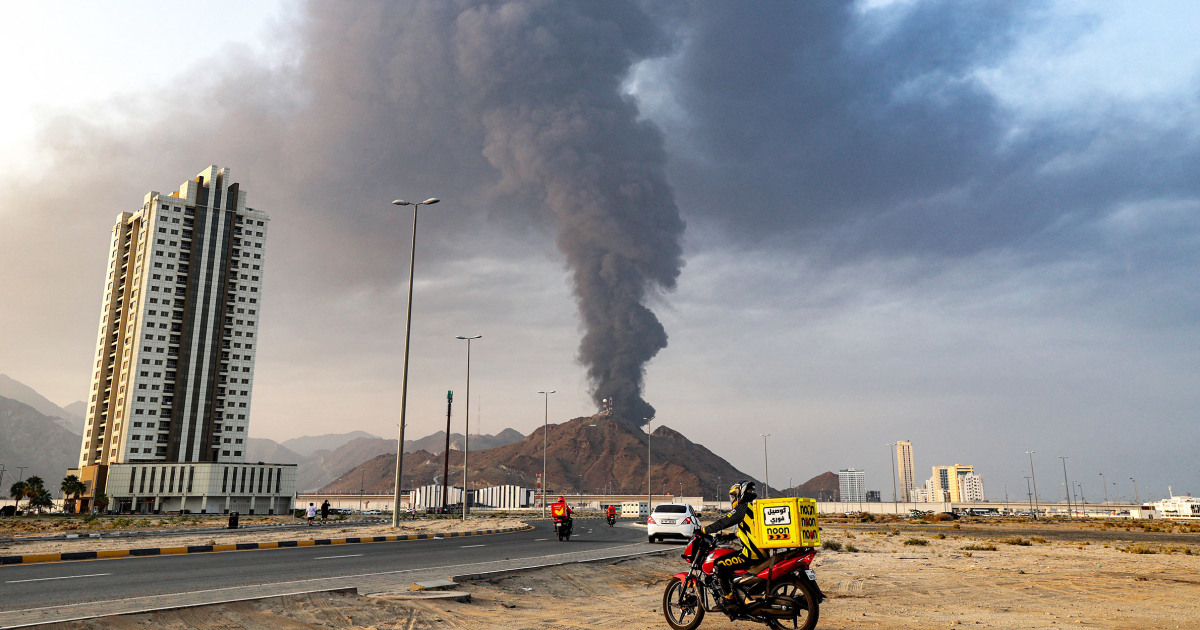
The specter of a wider regional conflict looms large over the Middle East as Gulf states grapple with a difficult decision: whether to directly engage in the escalating hostilities between Iran, and Israel. Recent days have witnessed a surge in retaliatory strikes, with Iran targeting key energy sites across the Gulf Arab states following an Israeli strike on its largest gas field, South Pars. This escalation, unfolding against a backdrop of long-simmering tensions and shifting geopolitical alliances, is forcing nations to weigh the risks of intervention against the potential consequences of inaction. The situation is further complicated by the involvement of the United States, whose role in the region remains a central point of contention.
The immediate catalyst for the current crisis appears to be the Israeli strike on South Pars, a move that prompted a swift response from Tehran. Iran’s Foreign Minister, Abbas Araghchi, indicated on X (formerly Twitter) that the retaliation was deliberately restrained, representing only a “fraction of our power,” and warned of a more forceful response should further attacks on Iranian infrastructure occur. This statement underscores the volatile nature of the situation and the potential for rapid escalation. The Qatari Ministry of Foreign Affairs echoed concerns about the consequences of continued escalation, warning that it would have “dire consequences” for Iran and destabilize the region. The current conflict is a complex web of retaliations, with roots in a history of regional power struggles and the ongoing debate over Iran’s nuclear program.
Leaders from Gulf states convened in Riyadh this week to discuss the unfolding crisis, but the meeting was overshadowed by the very threat it sought to address. According to Saudi Foreign Minister Prince Faisal bin Farhan Al Saud, Iranian strikes were deliberately timed to coincide with the gathering, intended as a demonstration of force and an attempt to intimidate participants. This incident highlights the growing distrust between Iran and its neighbors, and the increasing sense of urgency surrounding the demand for a coordinated response. The Saudi foreign minister emphasized that the kingdom, along with its partners, possesses significant capabilities that could be brought to bear should they choose to intervene, signaling a willingness to defend its interests and those of its allies.
The Shifting Sands of Alliances and the Question of US Involvement
The current crisis is unfolding against a backdrop of shifting alliances and a complex geopolitical landscape. Gulf states are increasingly anxious to observe an end to the conflict, but opinions diverge on the best path forward. Some nations are urging the United States to prioritize finding an “off-ramp” to de-escalate the situation, while others are more concerned about the potential for the US to withdraw, leaving the Iranian regime intact and emboldened. This divergence reflects a broader debate about the future of US involvement in the region and the long-term implications of its policies. The recent meeting between ambassadors from the six Gulf Cooperation Council (GCC) nations – Saudi Arabia, Qatar, the United Arab Emirates, Bahrain, Kuwait, and Oman – with members of the US Congress underscores the growing urgency and the desire for a clear US strategy.
During these closed-door sessions, GCC ambassadors reportedly pushed for expedited arms sales and discussed the escalating conflict, signaling a desire to bolster their defensive capabilities. This represents a marked shift from pre-war discussions, where some nations, like Oman, were more optimistic about the possibility of a diplomatic resolution. A congressional aide described the mood as one of “panic,” with Gulf states seeking ways to protect their populations. The economic implications of the conflict are also weighing heavily on the minds of Gulf leaders, with a senior Gulf official noting the growing economic and tourism hit to the region. The disruption to energy markets, in particular, is a major concern, as the region plays a critical role in global oil and gas supply.
Oman’s Position and the Search for De-escalation
While many Gulf states are expressing growing anger and frustration with Iran’s actions, Oman has maintained a more cautious approach, actively calling for a ceasefire and emphasizing de-escalation. Oman has made clear that it does not want to be drawn into a wider conflict, recognizing the potentially devastating consequences for the region. This position reflects Oman’s long-standing tradition of neutrality and its role as a mediator in regional disputes. However, even Oman acknowledges the gravity of the situation and the need for a resolution. As one senior Gulf official stated, “We didn’t decide the war, but we are dealing with the consequences. We want it to be over.”
The current crisis is not simply a military confrontation; it is also a test of diplomatic and economic resilience. The potential for further escalation is high, and the consequences could be far-reaching. The disruption to energy markets, the potential for increased terrorist activity, and the humanitarian impact of a wider conflict are all serious concerns. The international community must work together to de-escalate the situation and find a peaceful resolution that addresses the underlying causes of the conflict. The stakes are high, and the future of the Middle East hangs in the balance.
Saudi Arabia’s foreign minister says Iran’s attack on the Riyadh meeting was timed to coincide with the talks to “intimidate those present” and send a message that Iran “will not stop.” https://t.co/q9q9q9q9q9
— NBC News (@NBCNews) March 21, 2026
The Economic Fallout and Global Implications
Beyond the immediate security concerns, the escalating conflict poses a significant threat to the global economy. Disruptions to oil and gas supplies could lead to higher energy prices, impacting consumers and businesses worldwide. The conflict also threatens to exacerbate existing inflationary pressures and slow global economic growth. The potential for increased geopolitical instability could further dampen investor confidence and lead to capital flight from the region. According to analysis from NBC News, the Iran war threatens to upend economic gains made under the Trump administration, impacting everything from gas prices to grocery costs. The long-term economic consequences of the conflict could be substantial, particularly for countries heavily reliant on energy imports from the Middle East.
The situation also raises concerns about the potential for cyberattacks and other forms of economic warfare. Iran has a history of engaging in cyberattacks against critical infrastructure, and there is a risk that it could target energy facilities or financial institutions in the Gulf states or elsewhere. The disruption to shipping lanes in the Persian Gulf could also have a significant impact on global trade. The economic implications of the conflict are complex and far-reaching, and require careful monitoring and proactive risk management.
Key Takeaways
- The conflict between Iran and Israel is rapidly escalating, with retaliatory strikes targeting key infrastructure in the region.
- Gulf states are facing a difficult decision about whether to intervene directly in the conflict, weighing the risks of escalation against the potential consequences of inaction.
- Oman is advocating for de-escalation and a ceasefire, while other Gulf states are seeking stronger security guarantees from the United States.
- The conflict poses a significant threat to the global economy, with potential disruptions to energy markets and increased geopolitical instability.
- The situation remains highly volatile and unpredictable, requiring careful diplomacy and a concerted effort to prevent further escalation.
As the situation continues to evolve, the international community will be closely watching for any signs of de-escalation or further escalation. The next key development to watch for will be the outcome of ongoing diplomatic efforts, particularly those involving the United States and regional powers. The potential for a wider conflict remains a serious concern, and the need for a peaceful resolution is more urgent than ever. We encourage readers to share their thoughts and perspectives on this critical issue in the comments below.
Keep reading