US Fast-Tracks $16.5 Billion Arms Sales to Middle Eastern Allies Amid Regional Tensions
Washington announced a significant acceleration of arms sales to the United Arab Emirates, Jordan and Kuwait on Thursday, totaling over $16.5 billion. The move, authorized through an emergency waiver by Secretary of State Marco Rubio, bypasses the standard congressional review process, a decision prompted by escalating regional instability and recent attacks attributed to Iran. The sales approach as Iran demonstrates its capacity to strike sensitive infrastructure across the Gulf region, including strikes on Saudi Arabia’s Red Sea coast, raising concerns about a widening conflict.
The rapid approval of these sales underscores the United States’ commitment to bolstering the defense capabilities of its key partners in the Middle East. The decision reflects a growing anxiety over Iran’s increasingly assertive military posture and its potential to destabilize the region. This action is a clear signal of support for allies facing heightened threats, and a demonstration of the US willingness to expedite security assistance when deemed critical to regional stability. The US has designated the UAE as a “major defense partner,” and Kuwait is a major non-NATO ally, highlighting the strategic importance of these relationships.
UAE Receives Largest Share of Arms Package
The United Arab Emirates is slated to receive the largest portion of the arms package, valued at just under $8.5 billion. This includes 10 Site-Low, Slow, Small Unmanned Aircraft Integrated Defeat Systems (LS-SIDS), designed to counter the growing threat of drones. According to the Pentagon, these systems are intended to detect, track, and neutralize hostile drones. The sale also encompasses a Terminal High Altitude Area Defense (THAAD) long-range discrimination radar, along with Sentinel A-4 uplinkers and THAAD tactical operations and launch and control systems, enhancing the UAE’s ballistic missile defense capabilities.
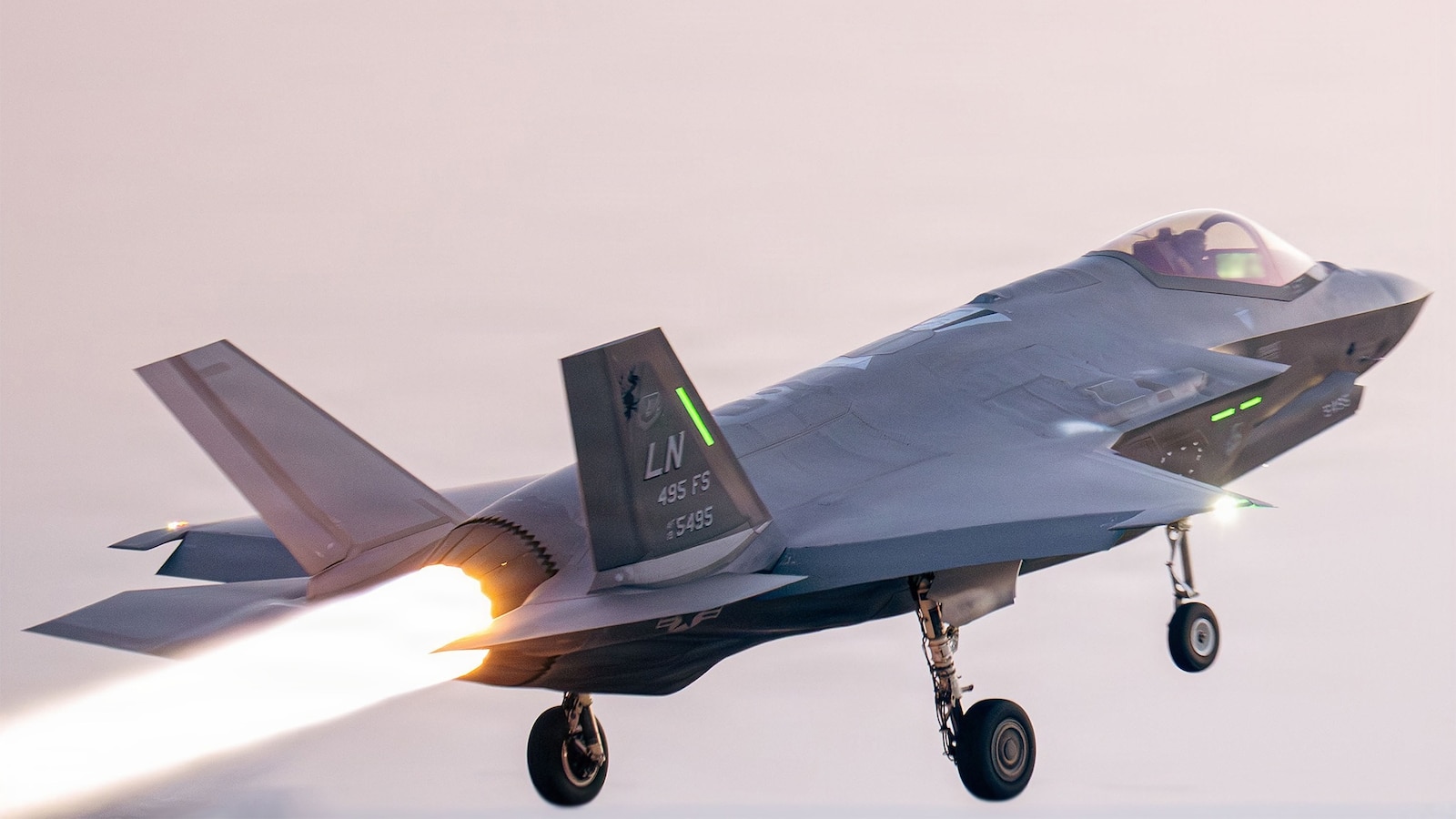
Further bolstering the UAE’s air power, the proposed sale includes $644 million worth of F-16 munitions and upgrades. This package features GBU-39/B small diameter bombs and Joint Direct Attack Munitions (JDAM) guidance systems, increasing the precision and effectiveness of its air-to-ground capabilities. The UAE is set to acquire 400 AIM-120C AMRAAM air-to-air missiles and eight guidance sections, strengthening its aerial defense against potential airborne threats. The UAE was the 11th largest US defense customer by value at the beginning of 2026, demonstrating a long-standing security partnership.
Kuwait and Jordan Strengthen Defense Systems
Kuwait is set to procure Lower Tier Air and Missile Defense Sensor Radars (LTAMDS) for an estimated $8 billion. These radars are crucial for enhancing Kuwait’s ability to detect and track incoming missiles and aircraft, providing an essential layer of defense against regional threats. The acquisition of LTAMDS represents a significant investment in Kuwait’s air defense infrastructure, aimed at safeguarding its sovereignty and protecting critical assets.
Jordan will receive approximately $70.5 million in aircraft and munitions support, along with related equipment. Even as the specifics of this sale are less detailed than those for the UAE and Kuwait, it signifies continued US support for Jordan’s security and its role as a key partner in regional stability. Jordan’s strategic location and its commitment to counter-terrorism efforts make it a vital ally for the United States in the Middle East.
Emergency Waiver and Congressional Concerns
The decision to fast-track these arms sales through an emergency waiver invoked by Secretary of State Marco Rubio has raised questions about transparency and congressional oversight. The waiver allows the administration to bypass the standard 48-hour notification period required for arms sales exceeding certain thresholds, preventing Congress from potentially blocking or modifying the deals. As reported by Al-Monitor, this move is unusual and reflects the urgency with which the administration views the security situation in the Gulf.
While the administration argues that the waiver is necessary to respond swiftly to the evolving threat posed by Iran, some members of Congress have expressed concerns about the lack of opportunity for review and debate. Critics argue that bypassing the normal process could set a precedent for future arms sales and undermine the role of Congress in foreign policy decision-making. The debate over the arms sales highlights the ongoing tension between the executive branch’s desire for flexibility in responding to crises and Congress’s constitutional authority over matters of war and peace.
Regional Condemnation of Iranian Attacks
The arms sales are occurring against a backdrop of widespread international condemnation of recent Iranian missile and drone attacks. The United States, Bahrain, Jordan, Kuwait, Qatar, Saudi Arabia, and the United Arab Emirates have jointly issued a statement strongly condemning Iran’s “indiscriminate and reckless” attacks on sovereign territories across the region. According to a joint statement released by the State Department, these attacks represent a serious escalation of tensions and a threat to regional stability. The UAE, Qatar, Saudi Arabia, Bahrain, Jordan, Kuwait and the US also issued a joint statement condemning the attacks, as reported by Khaleej Times.
These attacks have targeted critical infrastructure in several countries, raising concerns about potential disruptions to energy supplies and economic activity. The international community is urging Iran to cease its destabilizing activities and to engage in constructive dialogue to resolve regional disputes. The US arms sales to its allies are intended to deter further aggression and to reassure partners that the United States remains committed to their security.
Looking Ahead
The expedited arms sales are likely to be a topic of continued debate in Washington, with some lawmakers potentially seeking to introduce legislation to restrict the administration’s ability to bypass congressional review in the future. The situation in the Gulf remains volatile, and further escalation is possible. The next key development to watch will be the response of the Iranian government to the international condemnation of its attacks and the increased military presence of the United States and its allies in the region. The US State Department is expected to provide further updates on the arms sales process and its implications for regional security in the coming weeks.
What are your thoughts on the US arms sales to Middle Eastern allies? Share your comments below and let us know how you think this will impact regional stability.