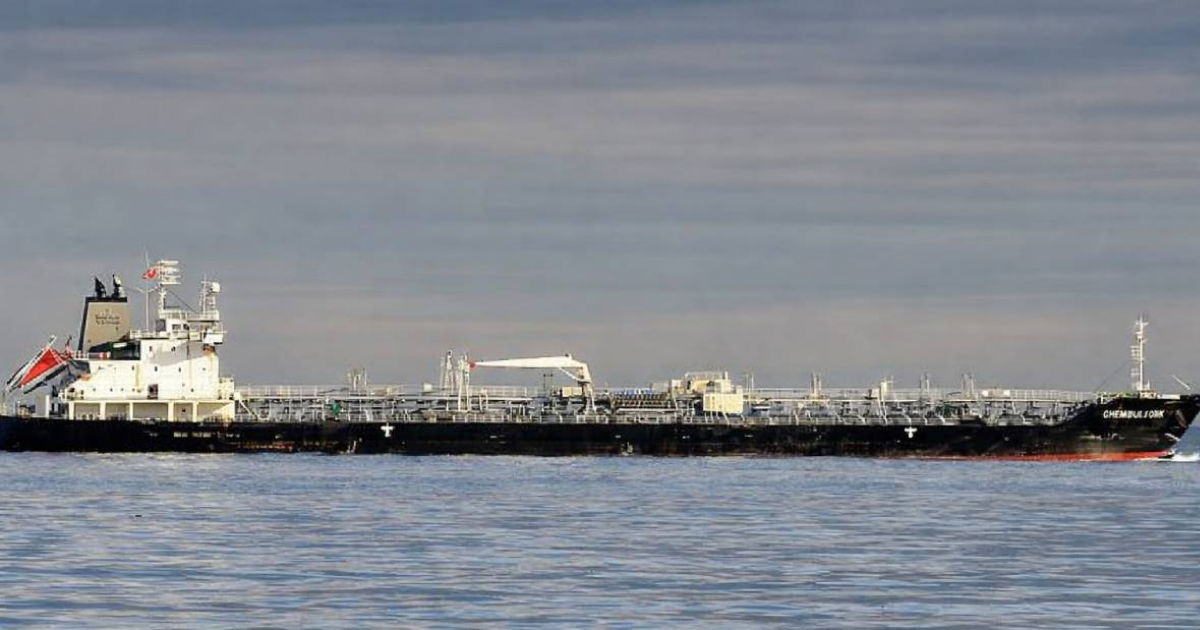
Amidst escalating geopolitical tensions and a deepening energy crisis in Cuba, the oil tanker Sea Horse, flagged in Hong Kong, is currently navigating Caribbean waters. While its declared destination remains Gibraltar, maritime tracking data and independent analysis suggest the vessel may be headed to Cuba, potentially delivering a crucial shipment of Russian diesel. This development comes as the island nation grapples with severe fuel shortages and widespread power outages, and represents a potential lifeline from Moscow as Washington tightens its economic pressure on Havana.
The situation underscores the complex interplay of global energy markets, international sanctions, and political alliances. Cuba has faced increasing difficulty securing fuel supplies in recent months, following the withdrawal of support from Venezuela and Mexico. Reports indicate a nationwide blackout occurred on March 16, highlighting the fragility of the island’s power grid and the urgent need for energy resources. The potential arrival of the Sea Horse, alongside another Russian tanker, the Anatoly Kolodkin, could offer temporary relief, but experts caution that it won’t resolve the underlying structural problems within Cuba’s energy sector.
The Sea Horse, identified by its IMO number 9262584, was observed south of the Sargasso Sea, heading towards the Caribbean. Its journey has raised eyebrows among maritime observers due to what are described as erratic course changes and potential manipulation of its tracking signals – tactics often associated with what’s been termed Russia’s “ghost fleet.” These practices are frequently employed to obscure the origin and destination of shipments, potentially to evade international sanctions and controls. The vessel is believed to be carrying approximately 200,000 barrels of Russian diesel, roughly 27,000 tons, which was loaded via a ship-to-ship transfer operation off the coast of Cyprus in late January.
Russian Energy Support for Cuba: A Geopolitical Calculation
The potential delivery of Russian fuel to Cuba is occurring against a backdrop of heightened U.S. Energy policy towards the island. Since late January, the administration of former President Donald Trump has reportedly enforced a reinforced oil blockade, coupled with increased surveillance and naval interceptions, aimed at cutting off fuel supplies to the Cuban government. This intensified pressure is intended to limit the regime’s financial resources and influence. Though, Russia appears to be stepping in to fill the void, offering a critical energy lifeline to its long-standing ally.
This isn’t an isolated incident. The Anatoly Kolodkin is also en route to the Matanzas terminal in Cuba, carrying approximately 730,000 barrels of crude oil. Together, these two shipments would represent the first significant fuel supply to Cuba in over two months, a critical boost for an economy struggling under the weight of energy scarcity. The timing of these deliveries suggests a deliberate effort by Moscow to demonstrate its continued support for Cuba, even in the face of international pressure.
“Not Under Command”: Anomalous Signals and Potential Sanctions Evasion
Adding to the intrigue surrounding the Sea Horse, recent reports indicate the vessel has been broadcasting that it is “not under command” and drifting in the Sargasso Sea for nearly three weeks. Windward.ai reports that the tanker signaled this status around February 25th, raising questions about the reason for the apparent loss of control. While the vessel has since resumed its voyage towards Cuba, the prolonged period of drifting and the “not under command” signal have fueled speculation about potential deceptive shipping practices.
Experts suggest the Sea Horse may have been attempting to conceal its true destination or circumvent tracking mechanisms. The vessel reportedly amended its signaled destination from Havana to “Gibraltar for orders” amid increased scrutiny of inbound cargoes to Cuba. The Sea Horse allegedly lacks Western insurance and engaged in switching off its AIS (Automatic Identification System) during oil transfer, practices often associated with sanctions circumvention. These actions raise concerns about the legality and transparency of the shipment.
🚨 URGENTE: Tanquero Sea Horse con destino a Cuba 🇨🇺. El buque con bandera de Hong Kong y presuntamente con crudo ruso, se encuentra al sur del mar de los Sargazos avanzando hacia el Caribe. 🗺️pic.twitter.com/wJq9q9q9q9
— Joankelin Sánchez (@joankelincuba) March 19, 2026
The Broader Context: Cuba’s Energy Crisis and U.S. Policy
Cuba’s energy crisis is rooted in a combination of factors, including aging infrastructure, limited domestic production, and economic challenges. The island relies heavily on imported fuel, making it vulnerable to disruptions in supply. The withdrawal of Venezuelan support, which previously provided a significant portion of Cuba’s oil needs, and the recent reduction in shipments from Mexico, have exacerbated the situation. The resulting power outages have disrupted daily life, impacting businesses, hospitals, and essential services.
The United States has maintained a complex relationship with Cuba for decades, marked by economic sanctions and political tensions. The current administration’s intensified energy blockade aims to pressure the Cuban government to implement political and economic reforms. However, critics argue that the sanctions disproportionately harm the Cuban people and exacerbate the humanitarian crisis. The arrival of Russian fuel shipments highlights the limitations of the U.S. Policy and the potential for other countries to step in and fill the void.
Impact on Cuban Citizens and the Economy
The ongoing energy crisis is having a profound impact on the lives of ordinary Cubans. Frequent and prolonged power outages disrupt access to essential services, including water, healthcare, and communication. Businesses are forced to reduce operations or close altogether, leading to economic hardship and job losses. The lack of reliable energy also hinders agricultural production and transportation, further exacerbating the food security situation. The arrival of the Sea Horse and the Anatoly Kolodkin offers a temporary reprieve, but it does not address the fundamental challenges facing Cuba’s energy sector.
The situation also has broader geopolitical implications. Russia’s willingness to provide fuel to Cuba demonstrates its commitment to maintaining its influence in the region and challenging U.S. Dominance. This could further escalate tensions between Washington and Moscow, particularly in the context of the ongoing conflict in Ukraine. The Sea Horse and Anatoly Kolodkin, represent more than just fuel shipments; they are symbols of a shifting geopolitical landscape.
As of today, March 20, 2026, the Sea Horse continues its journey towards Cuba. The coming days will be crucial in determining whether the vessel will indeed deliver its cargo to the island and what impact that will have on the ongoing energy crisis. Further developments are expected as the Anatoly Kolodkin also approaches Cuban waters. The international community will be closely watching these events, as they unfold against a backdrop of increasing geopolitical uncertainty.
What are your thoughts on the situation in Cuba and the role of international energy supplies? Share your comments below and let us know what you think.