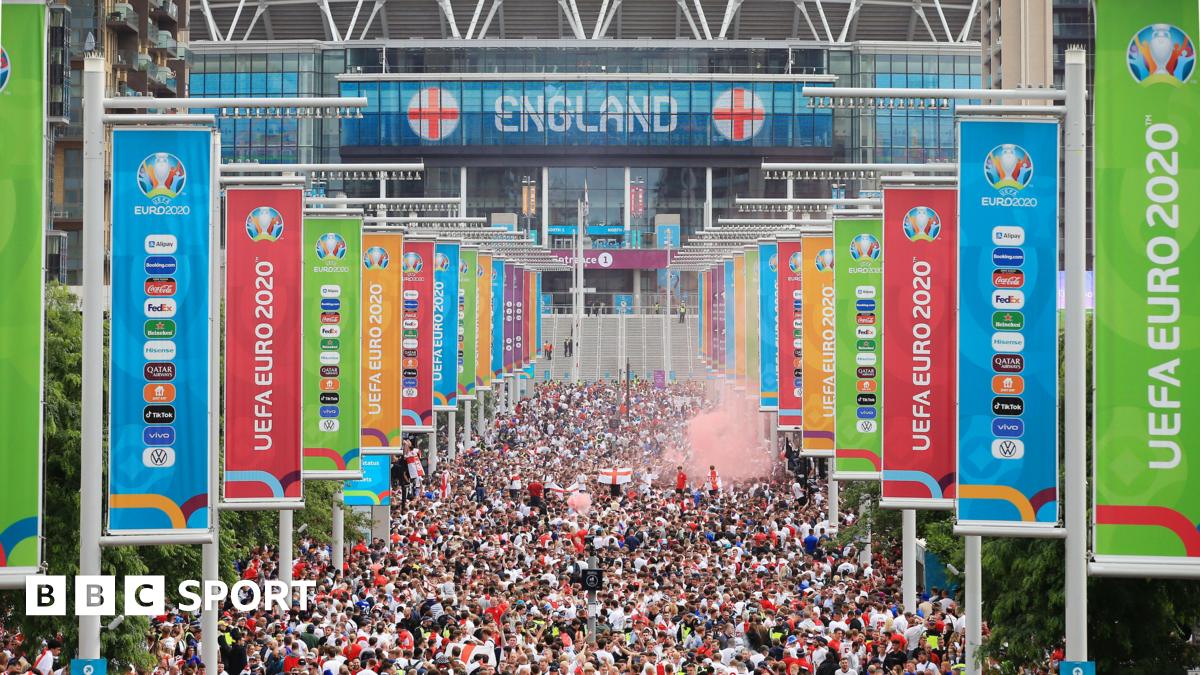
London – A new era in football stadium security is dawning in England and Wales, as legislation criminalizing unauthorized entry to matches comes into force. The move, timed to coincide with Sunday’s Carabao Cup final between Arsenal and Manchester City at Wembley Stadium, marks a significant shift in how authorities address pitch invasions and disruptive behavior at sporting events. The new law aims to deter individuals from attempting to gain access to matches without valid tickets, with penalties including hefty fines and lengthy football banning orders.
For decades, entering a football stadium without a ticket typically resulted in ejection from the grounds, with little further legal recourse. This is now changing. The Unauthorised Entry to Football Matches Act, enacted in response to escalating concerns about fan disorder, specifically targets “tailgating” – the practice of supporters attempting to follow legitimate ticket holders through turnstiles – as well as the use of counterfeit tickets and fraudulent accreditation. The legislation reflects a growing determination to prioritize safety and security within football stadiums, particularly in the wake of troubling incidents that have raised serious questions about crowd control and public order.
The impetus for this new legislation stems directly from the chaotic scenes that unfolded during the UEFA European Championship final in July 2021 at Wembley Stadium. Thousands of ticketless fans breached security perimeters, leading to significant disorder both inside and outside the stadium. A report commissioned by the Football Association (FA), led by Baroness Louise Casey, revealed the extent of the security failures and warned that the situation could have resulted in fatalities. The Casey report found approximately 2,000 individuals gained unauthorized access, with 17 breaches of disabled access gates and emergency fire doors. The BBC reported extensively on the security failures at the Euro 2020 final, highlighting the risks posed by the large number of ticketless fans.
Addressing the Root Causes of Stadium Invasions
Policing Minister Sarah Jones emphasized the government’s commitment to ensuring a safe environment for football fans. “Football fans should be able to enjoy the game without feeling unsafe or threatened,” she stated. “We’re giving the police the tools they require to ensure the chaos we saw at Wembley five years ago never happens again. Anyone who endangers others by forcing their way into stadiums faces serious consequences.” The new act provides law enforcement with the legal framework to prosecute individuals attempting to circumvent stadium security measures, sending a clear message that such behavior will not be tolerated.
The penalties for violating the Unauthorised Entry to Football Matches Act are substantial. Offenders face a potential fine of up to £1,000 and a football banning order lasting up to five years. A football banning order prohibits individuals from attending regulated football matches, both domestically and internationally, and can also include restrictions on travel and reporting requirements to law enforcement. These measures are intended to deter repeat offenders and protect genuine fans from disruption and potential harm. The act also criminalizes the possession of forged tickets, passes, or accreditation documents, and attempts to impersonate stadium staff.
The Rise of ‘Tailgating’ and Security Concerns
The practice of “tailgating,” where individuals attempt to enter stadiums by closely following legitimate ticket holders, has long been a concern for stadium security personnel. The new legislation specifically addresses this tactic, making it a criminal offense. Previously, security staff were largely limited to ejecting individuals caught tailgating, but now, they have the authority to arrest and prosecute offenders. This represents a significant escalation in the response to this type of security breach. The act aims to disrupt the organized attempts to bypass ticket checks and gain unauthorized access to matches.
Beyond tailgating, the legislation also targets the increasingly sophisticated methods used to obtain and distribute counterfeit tickets. The use of digital ticketing and advanced security features has made it more difficult to produce convincing forgeries, but the problem persists. The new act provides law enforcement with the tools to investigate and prosecute individuals involved in the production and sale of fake tickets, protecting fans from financial loss and ensuring the integrity of the ticketing system. The legislation also addresses the issue of individuals attempting to gain access to stadiums by falsely claiming to be members of staff or officials.
Impact on Fans and Stadium Operations
The implementation of the Unauthorised Entry to Football Matches Act is expected to have a noticeable impact on stadium operations and the matchday experience for fans. Stadiums are likely to increase security measures, including more visible security personnel and enhanced ticket checks. Fans are also being urged to be vigilant and report any suspicious activity to stadium staff or law enforcement. The Football Association and Premier League are working with clubs to raise awareness of the new legislation and ensure that fans are informed about the consequences of attempting to gain unauthorized access to matches.
The Carabao Cup final between Arsenal and Manchester City at Wembley Stadium on Sunday, March 22nd, will serve as a test case for the new legislation. Authorities are anticipating a large crowd and have implemented a comprehensive security plan to prevent unauthorized entry. Wembley Stadium has designated specific areas for supporters with accessible seating, and has allocated 31,939 tickets plus accessible seating to Arsenal fans, located on the East Side of the stadium. Arsenal.com provides detailed ticketing information for the match, including pricing and seating arrangements. 724 tickets with partially obstructed views have been made available, and designated safe-standing areas are located in the back of blocks 132 to 135 and 532 to 547.
Looking Ahead: Euro 2028 and Long-Term Security
The introduction of the Unauthorised Entry to Football Matches Act is not an isolated event. It is part of a broader effort to enhance security at sporting events in the United Kingdom, particularly in light of the fact that England, Wales, Scotland, and the Republic of Ireland will co-host the UEFA European Championship in 2028. Authorities are keen to ensure that the UK is well-prepared to host a major international tournament safely and securely. The lessons learned from the Euro 2020 final at Wembley are being incorporated into security planning for future events.
The long-term success of the new legislation will depend on effective enforcement and ongoing collaboration between law enforcement, football clubs, and stadium operators. It will also require a continued commitment to investing in security infrastructure and training personnel. The goal is to create a safe and welcoming environment for all football fans, although deterring those who seek to disrupt matches or engage in criminal behavior. The act represents a significant step forward in addressing the challenges of stadium security and protecting the integrity of the game.
The focus now shifts to the implementation of the act and its effectiveness in preventing unauthorized entry to football matches. Authorities will be closely monitoring the situation at Wembley Stadium on Sunday and will likely use the experience to refine security protocols and enforcement strategies. The coming months will be crucial in determining whether the new legislation achieves its intended objectives and contributes to a safer and more enjoyable experience for football fans across England and Wales.
Key Takeaways:
- Entering a football match without a valid ticket is now a criminal offense in England and Wales.
- Offenders face fines of up to £1,000 and potential football banning orders of up to five years.
- The legislation was prompted by security failures at the UEFA European Championship final in 2021.
- “Tailgating” and the use of counterfeit tickets are specifically targeted by the new act.
- Authorities are preparing for increased security measures at the Carabao Cup final and future events.
The Unauthorised Entry to Football Matches Act represents a significant change in how football stadiums are secured in England and Wales. As the legislation is implemented and tested, it will be crucial to monitor its effectiveness and make adjustments as needed to ensure the safety and security of all fans. We encourage readers to share their thoughts and experiences regarding stadium security in the comments below.
Related reading