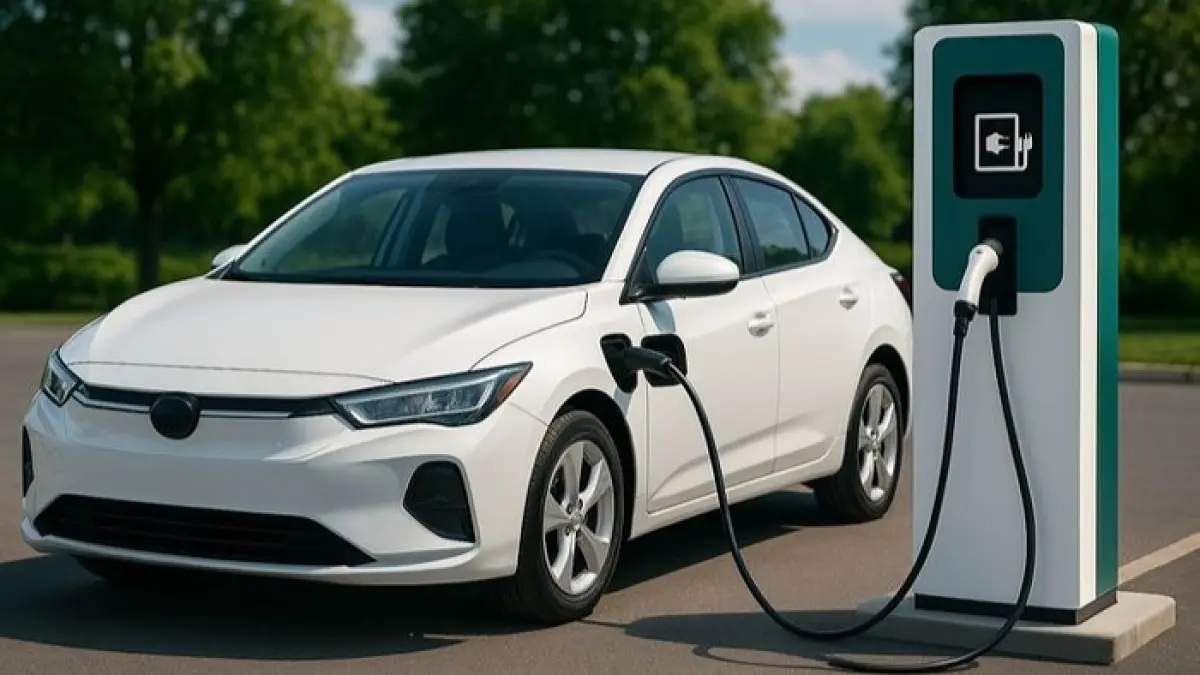
Indonesia’s automotive landscape is undergoing a significant shift, driven by growing environmental concerns and government initiatives promoting electric vehicle (EV) adoption. As demand for more sustainable transportation options rises, the market for affordable electric cars is expanding, offering consumers a viable alternative to traditional gasoline-powered vehicles. Projections for the upcoming Lebaran (Eid al-Fitr) holiday in 2026 indicate a substantial increase in EV usage, with an estimated 23,000 electric cars expected to be on the roads, a 60% jump from the previous year. This surge in demand is prompting manufacturers and infrastructure providers to ramp up production and expand charging facilities across the archipelago.
The Indonesian government is actively supporting the transition to electric mobility through various policies, including tax incentives, subsidies, and the development of a robust charging infrastructure network. State-owned electricity provider PLN is at the forefront of this effort, investing heavily in the deployment of Stasiun Pengisian Kendaraan Listrik Umum (SPKLU), or public electric vehicle charging stations. With a projected 4,769 SPKLU units available at 3,097 locations nationwide by the time of Lebaran 2026, PLN aims to alleviate range anxiety and ensure a seamless travel experience for EV owners during the holiday rush. This represents a significant 70% increase in charging points compared to the previous year, demonstrating a commitment to supporting the growing EV community.
The Rise of Affordable Electric Cars in Indonesia
While the initial cost of electric vehicles has been a barrier to entry for many Indonesian consumers, the market is witnessing the emergence of more affordable options. Several manufacturers are now offering electric cars with price tags starting around Rp184 million (approximately $11,600 USD as of March 20, 2026). This price point is making EVs increasingly accessible to a wider segment of the population, particularly those in urban areas where air quality concerns are more pronounced. The availability of these more budget-friendly models is expected to further accelerate the adoption of electric vehicles across the country.
The push for affordability isn’t solely about lower sticker prices. Government incentives play a crucial role. Tax breaks and subsidies on EV purchases are designed to offset the higher upfront cost compared to internal combustion engine vehicles. The total cost of ownership for EVs is often lower due to reduced fuel and maintenance expenses. Electricity is generally cheaper than gasoline in Indonesia, and electric cars have fewer moving parts, resulting in less frequent and less expensive maintenance requirements. These factors contribute to the long-term economic benefits of switching to an electric vehicle.
PLN’s Infrastructure Push for Lebaran 2026
Recognizing the anticipated surge in EV traffic during Lebaran 2026, PLN is undertaking a comprehensive infrastructure upgrade. The company is not only expanding the number of SPKLU units but also optimizing existing charging facilities. A key component of this optimization involves replacing slower charging equipment with faster charging options, including fast charging and ultra-fast charging stations, particularly along strategic routes like the Jakarta-Merak highway. PLN Director Utama Darmawan Prasodjo inspected the readiness of SPKLU facilities at Rest Area KM 43A in Tangerang, Banten, on March 16, 2026, confirming the operational status of these critical charging points.
To further enhance the user experience, PLN has also introduced new features within its PLN Mobile application. These features include real-time information on SPKLU availability, charging rates, and estimated charging times. PLN is deploying SPKLU Mobile units – mobile charging vans – to provide on-demand charging services in areas with limited infrastructure. This proactive approach aims to address potential bottlenecks and ensure that EV owners can confidently embark on their Lebaran journeys without fear of running out of power. The company anticipates over 23,000 electric vehicles will be utilizing the network during the holiday period.
Addressing Range Anxiety and Charging Accessibility
One of the primary concerns for potential EV buyers is “range anxiety” – the fear of running out of battery power before reaching a charging station. PLN is actively working to mitigate this concern by increasing the density of SPKLU units along major highways and in urban centers. The company is also collaborating with various stakeholders, including toll road operators and private businesses, to establish charging points at strategic locations. Assistant Deputy for Economic and Industrial Infrastructure at the Coordinating Ministry for Infrastructure and Regional Development, Firdausi Manti, emphasized the importance of clear communication regarding the availability of charging infrastructure to ensure a smooth travel experience for EV users during Lebaran.
Beyond physical infrastructure, information accessibility is also crucial. PLN and its partner Entrev, a collaborative program between the Indonesian government and the United Nations Development Programme (UNDP), are actively disseminating information about charging locations, travel tips, and recommended routes for EV drivers through social media and news publications. This comprehensive communication strategy aims to empower EV owners with the knowledge they need to plan their journeys effectively and confidently.
Looking Ahead: The Future of Electric Mobility in Indonesia
The growth of the electric vehicle market in Indonesia is not merely a short-term trend; it represents a fundamental shift in the country’s transportation sector. The government has set ambitious targets for EV adoption, aiming to significantly reduce greenhouse gas emissions and improve air quality in urban areas. Continued investment in charging infrastructure, coupled with supportive policies and the increasing availability of affordable electric cars, will be essential to achieving these goals.
The momentum is building. The projected increase in EV usage during Lebaran 2026 serves as a testament to the growing popularity of electric vehicles among Indonesian consumers. As the technology matures and prices continue to fall, electric cars are poised to become an increasingly mainstream transportation option, contributing to a more sustainable and environmentally friendly future for Indonesia. The availability of approximately 170,000 to 180,000 electric vehicles on the road during the holiday period will provide a valuable testing ground for the nation’s EV infrastructure and highlight areas for further improvement.
Key Takeaways
- Indonesia is experiencing rapid growth in its electric vehicle market, driven by government support and increasing consumer demand.
- PLN is investing heavily in expanding the SPKLU network to accommodate the anticipated surge in EV usage during Lebaran 2026.
- Affordable electric car options are becoming more readily available, making EVs accessible to a wider range of consumers.
- Addressing range anxiety and improving information accessibility are crucial for promoting EV adoption.
- The future of electric mobility in Indonesia looks promising, with continued investment and supportive policies expected to drive further growth.
The Indonesian government and PLN are continuing to monitor the performance of the EV infrastructure during Lebaran 2026 and will use the data collected to inform future investments and policy decisions. Further updates on the expansion of the SPKLU network and the implementation of new EV incentives are expected in the coming months. We encourage readers to share their experiences with electric vehicles and contribute to the conversation about the future of sustainable transportation in Indonesia.
Keep reading