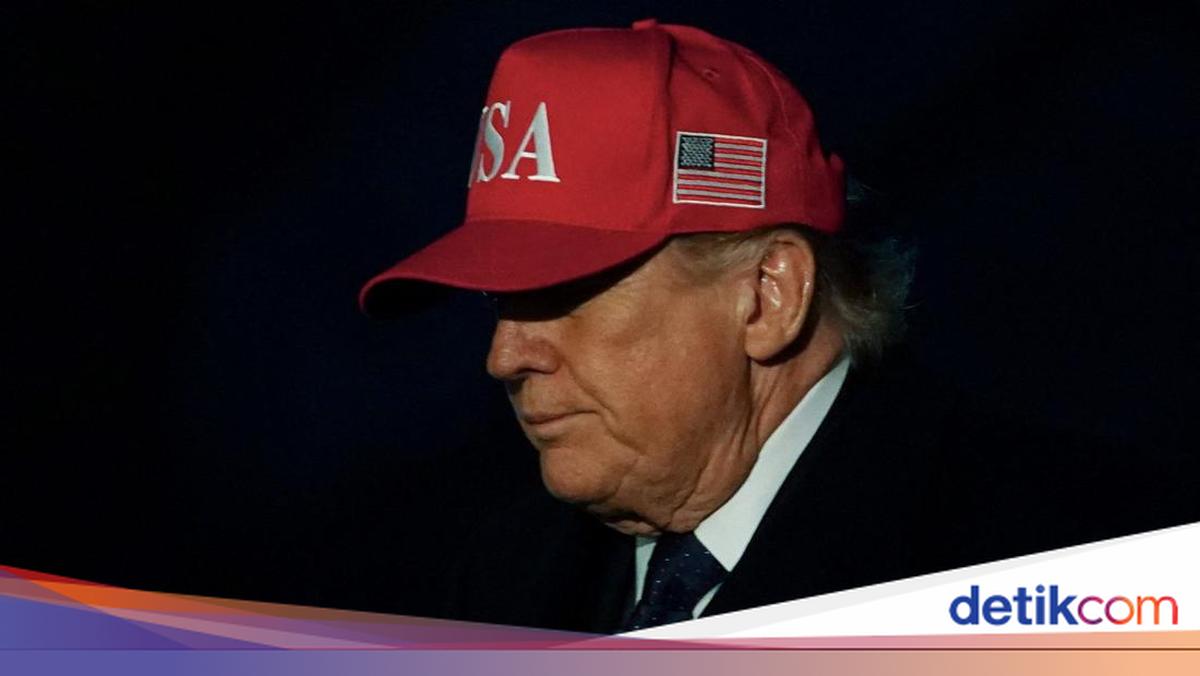
Trump Accuses NATO Allies of “Cowardice” Amidst Strait of Hormuz Tensions
Washington – Former U.S. President Donald Trump has sharply criticized NATO allies for what he perceives as a lack of support in securing the Strait of Hormuz, a vital waterway currently experiencing heightened tensions following recent military actions involving the United States, Israel, and Iran. Trump’s remarks, delivered via his social media platform Truth Social on Friday, March 20, 2026, accuse his former allies of being “cowards” and suggest that without U.S. Leadership, NATO is merely a “paper tiger.” The escalating rhetoric comes as the Strait of Hormuz remains partially blockaded by Iran, contributing to global oil supply concerns and price increases.
The current situation stems from a series of strikes against Iranian targets initiated by the U.S. And Israel on February 28, 2026. This military action, the specifics of which remain largely undisclosed, prompted Iran to restrict passage through the Strait of Hormuz, a critical chokepoint for approximately 20% of the world’s oil supply. The disruption has already begun to impact global energy markets, with rising prices and concerns about potential shortages. The United States has been seeking assistance from its NATO allies to ensure the continued flow of oil through the strait, but has met with limited commitment, according to Trump’s public statements.
Trump’s criticism centers on the perceived unwillingness of NATO members to actively participate in a military response to secure the Strait of Hormuz. He argues that allies are benefiting from U.S. Military strength even as simultaneously refusing to contribute to its maintenance. “Now that the battle has been won militarily, with very little danger to them, they complain about the high price of oil that they are forced to pay, but don’t desire to help open the Strait of Hormuz, a simple military maneuver that is the only reason for the high oil prices. It would be very easy for them to do, with very little risk,” Trump wrote on Truth Social. He concluded his post with a pointed accusation: “The cowards and we will remember it.”
NATO Allies Offer Conditional Support, Prioritize De-escalation
While Trump’s language is stark, the response from NATO allies has been more measured. A joint statement released on Thursday, March 19, 2026, by the United Kingdom, France, Germany, Italy, Japan, and the Netherlands indicated a willingness to “contribute to appropriate efforts to ensure safe passage through the Strait of Hormuz.” The statement also condemned recent Iranian attacks on commercial vessels in the Gulf, highlighting the growing instability in the region. The BBC reported on this development, noting the cautious tone of the allied response.
However, subsequent clarifications from Italy, Germany, and France revealed that their commitment does not extend to direct military intervention at this time. Instead, these nations are advocating for a multilateral initiative focused on de-escalation and the establishment of a secure maritime corridor *after* a ceasefire is achieved. This approach reflects a broader European preference for diplomatic solutions and a reluctance to escalate the conflict further. The emphasis on a post-ceasefire initiative suggests a desire to avoid actions that could be perceived as provocative or undermine ongoing efforts to negotiate a resolution.
The differing perspectives highlight a fundamental tension within the transatlantic alliance. Trump’s “America First” approach, which prioritized unilateral action and demanded greater burden-sharing from allies, continues to resonate with some segments of the U.S. Political landscape. Conversely, many European leaders remain committed to multilateralism and believe that a coordinated international response is essential to address complex geopolitical challenges. This divergence in strategic outlooks has been a recurring theme in U.S.-European relations for years, and the current crisis in the Strait of Hormuz is exacerbating these existing divisions.
The Strategic Importance of the Strait of Hormuz and Global Oil Markets
The Strait of Hormuz, a narrow waterway separating Iran and Oman, is one of the world’s most strategically important chokepoints. It connects the Persian Gulf with the Gulf of Oman and the Arabian Sea, serving as the primary maritime route for oil exports from several key producers, including Saudi Arabia, Iran, the United Arab Emirates, Kuwait, and Iraq. Approximately 20% of global oil supply passes through the strait daily, making it a critical artery for the world’s energy infrastructure.
Any disruption to the flow of oil through the Strait of Hormuz has the potential to trigger significant economic consequences. The current partial blockade has already contributed to a rise in global oil prices, impacting consumers and businesses worldwide. A prolonged closure could lead to a more severe energy crisis, potentially triggering a recession in some countries. The United States and its allies are therefore keenly focused on ensuring the continued flow of oil through the strait, both to protect their own economic interests and to maintain global energy security.
The situation is further complicated by Iran’s broader regional ambitions and its ongoing nuclear program. Western powers have long accused Iran of destabilizing the Middle East through its support for proxy groups and its pursuit of nuclear weapons. The recent military actions by the U.S. And Israel were reportedly aimed at curbing Iran’s nuclear capabilities and deterring further aggression. However, these actions have also heightened tensions and increased the risk of a wider conflict.
UK Allows US Access to Military Bases
Amidst the escalating tensions, the United Kingdom has agreed to allow the United States to utilize British bases for potential strikes against Iranian targets. This decision, reported by the BBC, signals a strengthening of the U.S.-UK alliance and a willingness by London to support Washington’s efforts to contain Iran. The access granted pertains specifically to sites targeting the Strait of Hormuz, suggesting a focus on maintaining maritime security in the region. This move is likely to further strain relations with Iran and could escalate the conflict.
The situation remains fluid, and unpredictable. While a full-scale war appears unlikely at this time, the risk of miscalculation or escalation remains significant. The international community is urging all parties to exercise restraint and engage in diplomatic efforts to de-escalate the crisis. The coming days and weeks will be critical in determining whether a peaceful resolution can be reached or whether the region will be plunged into a wider conflict.
Key Takeaways:
- Former President Trump has publicly criticized NATO allies for their perceived lack of support in securing the Strait of Hormuz.
- NATO allies have offered conditional support, prioritizing de-escalation and a multilateral approach after a ceasefire.
- The Strait of Hormuz is a vital waterway for global oil supply, and any disruption could have significant economic consequences.
- The United Kingdom has granted the United States access to its military bases for potential strikes against Iranian targets.
The situation in the Strait of Hormuz is expected to remain a focal point of international attention in the coming weeks. Further developments, including potential diplomatic initiatives and military movements, will be closely monitored. World Today Journal will continue to provide updates as the situation evolves. Share your thoughts and analysis in the comments below.