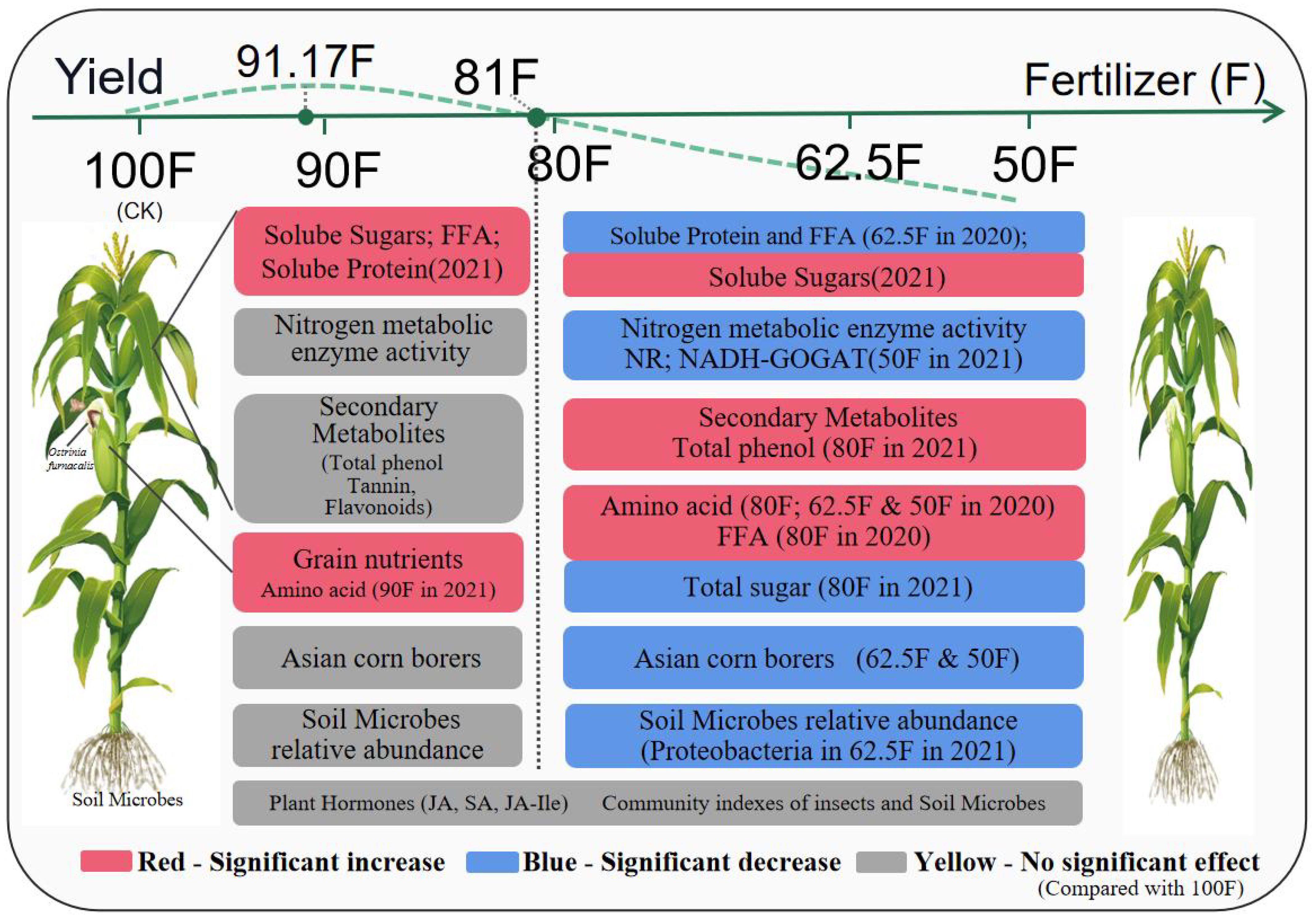
Berlin – Farmers across Europe are increasingly focused on optimizing nitrogen use in corn cultivation, driven by both economic and environmental concerns. The efficient application of nitrogen fertilizer is crucial for maximizing yields while minimizing the impact on water quality and greenhouse gas emissions. Recent advancements in predictive modeling are offering farmers more precise tools to determine optimal fertilization strategies, a development gaining traction in regions like Hessen, Germany. This shift towards precision agriculture represents a significant step towards sustainable farming practices.
Nitrogen is an essential nutrient for corn growth, playing a vital role in plant protein synthesis and overall development. However, excessive nitrogen application can lead to several problems, including nitrate leaching into groundwater, contributing to eutrophication of waterways, and the release of nitrous oxide, a potent greenhouse gas. Accurately assessing the nitrogen needs of a corn crop is paramount. The goal is to supply the plant with the right amount of nitrogen, at the right time, and in the right place – a concept known as the “4R nutrient stewardship” framework.
Traditionally, nitrogen fertilizer recommendations have been based on generalized guidelines and soil tests. However, these methods often fail to account for the dynamic nature of nitrogen availability in the soil, influenced by factors such as weather conditions, soil type, and previous cropping history. Newer models aim to address these limitations by incorporating more sophisticated data and algorithms to predict nitrogen uptake by the corn crop. These models consider factors like plant growth stage, soil mineral nitrogen levels, and expected rainfall patterns to refine fertilizer recommendations.
Understanding Nitrogen Dynamics in Corn Production
The process of determining appropriate nitrogen fertilization begins with understanding the various sources of nitrogen available to the corn plant. These include nitrogen already present in the soil (soil mineral nitrogen or Nmin), nitrogen released from the decomposition of organic matter, and nitrogen supplied through fertilizer application. According to research from the Thüringer Landesanstalt für Landwirtschaft und Ländliche Entwicklung (TLLLR), the nitrogen fertilizer requirement is calculated by subtracting the Nmin content in the soil and any nitrogen carryover from previous crops or organic fertilization from the crop’s total nitrogen needs.
Soil mineral nitrogen (Nmin) refers to the amount of inorganic nitrogen – primarily nitrate and ammonium – present in the soil. This value is determined through laboratory analysis of soil samples. The amount of Nmin varies depending on soil type, previous land use, and the timing of sampling. Farmers can use this information to adjust their fertilizer application rates accordingly, reducing the risk of over-fertilization. The Landwirtschaftskammer Niedersachsen emphasizes that the combined nitrogen supply from pre-plant fertilization and subsequent side-dressing should never exceed the calculated nitrogen requirement based on the Düngebedarfsermittlung (DBE) – the German fertilizer requirement assessment.
the nitrogen contribution from organic sources, such as manure or compost, must be taken into account. The amount of nitrogen released from organic matter depends on its composition and the rate of decomposition. Accurately estimating the nitrogen contribution from organic sources is crucial for avoiding over-application and ensuring optimal nutrient management.
The Role of Predictive Modeling
The development of new predictive models represents a significant advancement in nitrogen management for corn. These models utilize complex algorithms and data inputs to estimate the nitrogen uptake of the crop throughout the growing season. They often incorporate data on weather patterns, soil characteristics, and plant growth stage to provide more precise fertilizer recommendations. These models aim to move beyond static recommendations based on average conditions and provide tailored advice based on the specific needs of each field.
The models help farmers determine not only the total amount of nitrogen needed but also the optimal timing and placement of fertilizer applications. Split applications, where nitrogen is applied in multiple doses throughout the growing season, are often recommended to improve nitrogen use efficiency and reduce losses. By aligning fertilizer applications with the crop’s peak nitrogen demand, farmers can maximize yield potential and minimize environmental impact.
BayWa AG highlights the importance of timing when applying nitrogen fertilizer to corn, offering a range of liquid and solid nitrogen fertilizers to meet crop needs. The company emphasizes the demand for needs-based fertilization, adjusting application rates based on crop requirements and soil conditions.
Challenges and Future Directions
Despite the advancements in nitrogen management, several challenges remain. One key challenge is the variability in nitrogen availability within fields. Soil properties, topography, and microclimate variations can all influence nitrogen distribution, making it difficult to achieve uniform fertilization. Precision agriculture technologies, such as variable rate application (VRA), offer a potential solution to this challenge by allowing farmers to apply fertilizer at different rates across the field based on site-specific needs.
Another challenge is the difficulty in accurately predicting nitrogen mineralization rates – the rate at which organic nitrogen is converted into plant-available forms. Mineralization rates are influenced by a complex interplay of factors, including soil temperature, moisture, and microbial activity. Improving our understanding of these processes is crucial for refining nitrogen fertilizer recommendations.
Looking ahead, further research and development are needed to improve the accuracy and reliability of nitrogen predictive models. This includes incorporating more data on plant physiology, soil microbiology, and climate change impacts. The integration of remote sensing technologies, such as drones and satellites, can also provide valuable information on crop nitrogen status and help farmers make more informed fertilizer decisions. Promoting the adoption of best management practices, such as cover cropping and no-till farming, can enhance soil health and improve nitrogen use efficiency.
Stakeholder Perspectives and Impact
The push for improved nitrogen efficiency in corn production impacts a wide range of stakeholders. Farmers benefit from reduced fertilizer costs and increased yields. Consumers benefit from a more sustainable food supply. And the environment benefits from reduced nitrogen pollution. Government agencies and agricultural organizations play a crucial role in promoting research, providing technical assistance, and developing policies that support sustainable nitrogen management practices.
The European Union’s Common Agricultural Policy (CAP) increasingly emphasizes environmental sustainability, including the efficient use of nutrients. New regulations and incentive programs are being implemented to encourage farmers to adopt practices that reduce nitrogen losses and protect water quality. These policies are driving innovation in nitrogen management and creating new opportunities for farmers to improve their environmental performance.
The ongoing efforts to optimize nitrogen use in corn production are essential for ensuring the long-term sustainability of agriculture. By embracing precision agriculture technologies, adopting best management practices, and fostering collaboration among stakeholders, One can move towards a more efficient and environmentally responsible food system.
The next step in optimizing nitrogen management will likely involve further refinement of predictive models and increased adoption of variable rate application technologies. Farmers are encouraged to consult with agricultural advisors and utilize available resources to implement best management practices for nitrogen fertilization. Share your experiences and insights in the comments below, and help us continue the conversation on sustainable agriculture.