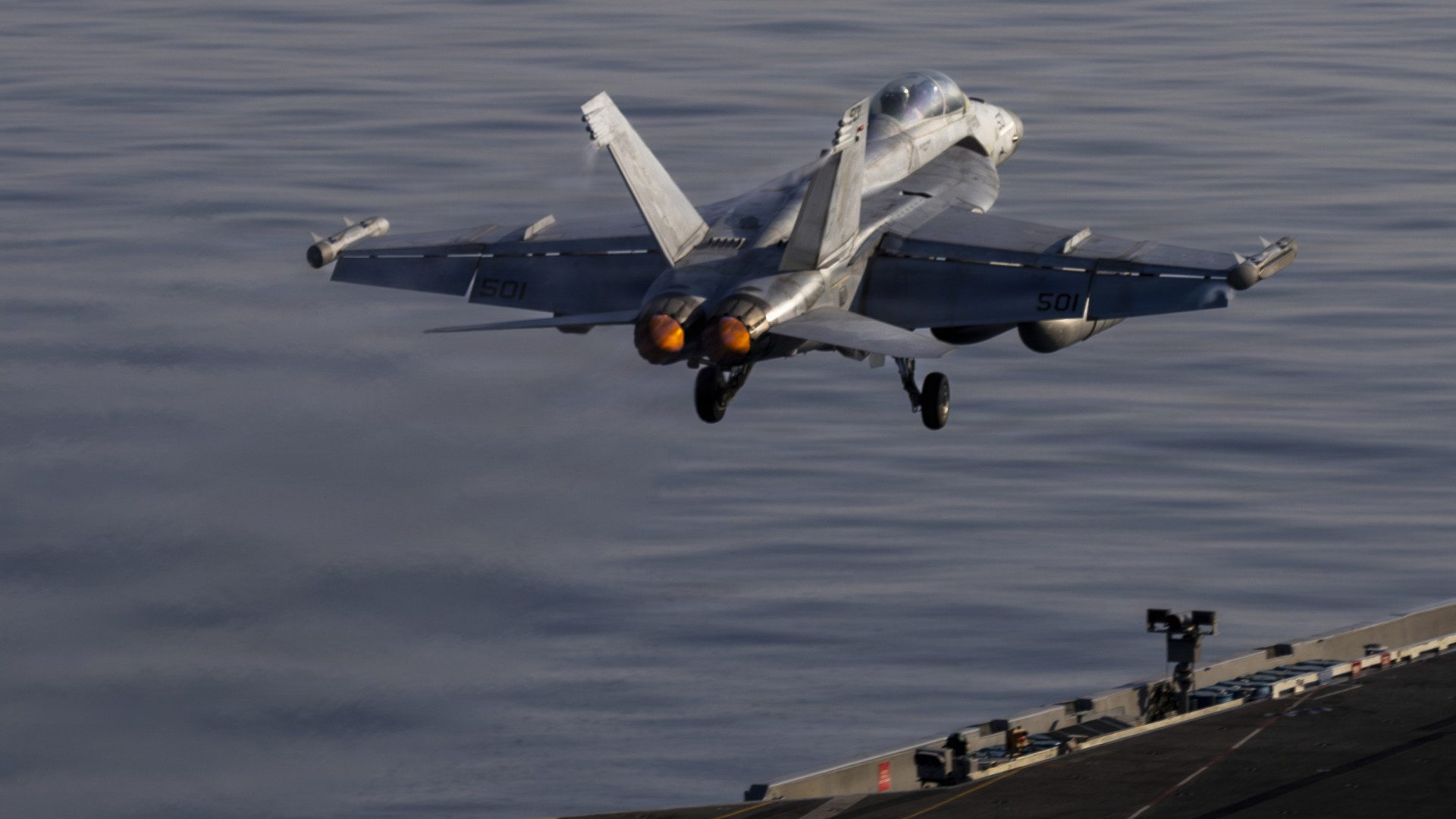
Sofia, Bulgaria – As the conflict between Iran and its adversaries enters its 33rd day, a significant shift in power dynamics is unfolding within Iran itself. Reports indicate that the Islamic Revolutionary Guard Corps (IRGC) has effectively seized de facto control of the Iranian government, sidelining President Mohammad Pezeshkian and isolating moderate voices. This development coincides with escalating tensions in the region and a planned national address by former U.S. President Donald Trump regarding a potential end to the war, raising concerns about the future trajectory of the conflict and the stability of the Middle East.
The IRGC’s consolidation of power marks a critical turning point in the ongoing crisis. While the exact mechanisms of this takeover remain somewhat opaque, available information suggests a systematic marginalization of President Pezeshkian’s authority and a corresponding increase in the IRGC’s influence over key governmental functions. This internal power struggle is occurring against a backdrop of sustained military operations, including retaliatory strikes launched by the IRGC against military bases, embassies, and hotels across the region, despite significant losses to its military installations and assets at the hands of U.S. And Israeli forces.
The Rise of the IRGC and its Regional Impact
The Islamic Revolutionary Guard Corps, established in 1979 after the Iranian Revolution, is a powerful and highly influential organization within Iran. It operates as a parallel military force alongside the conventional Iranian army, with a distinct ideological and political agenda. According to experts like Ali Alfoneh, a senior fellow at the Arab Gulf Institute in Washington, the IRGC’s resilience in the face of intense military pressure is noteworthy. “I am not at all surprised to spot the degree of resilience that this organization has shown,” Alfoneh stated, highlighting the IRGC’s deeply entrenched position within the Iranian state and its ability to withstand significant setbacks.
The IRGC’s influence extends far beyond Iran’s borders. It has been actively involved in supporting proxy groups and militias throughout the Middle East, including in Lebanon, Syria, Iraq, and Yemen. This support has fueled regional conflicts and contributed to instability, prompting concerns from the international community. The IRGC’s control over the Strait of Hormuz, a vital waterway for global oil shipments, is another significant factor in the current crisis. The IRGC has repeatedly asserted its control over the strait, dismissing what it describes as “performative actions” by President Trump and other international actors. This assertion underscores the IRGC’s determination to maintain its strategic leverage in the region.
Trump’s Address and the Potential for De-escalation
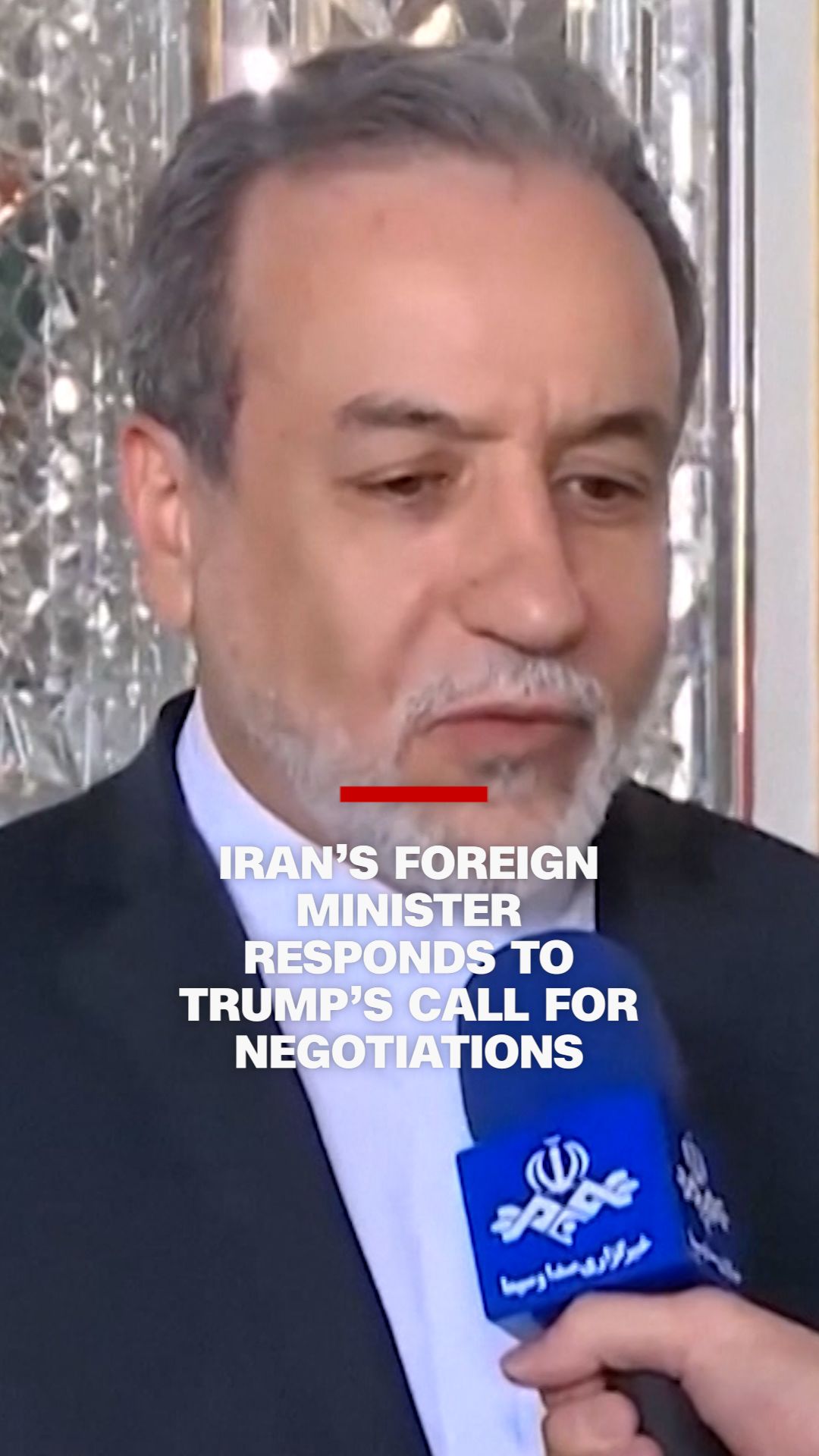
Former U.S. President Donald Trump’s planned national address has generated considerable anticipation and speculation. While the specifics of his address remain undisclosed, it is widely expected to focus on the possibility of a negotiated end to the conflict. Trump previously issued a direct appeal to members of the IRGC, urging them to “lay down your weapons and have complete immunity or, in the alternative, face certain death.” However, the IRGC has so far ignored this demand, continuing its military operations and consolidating its control over the Iranian government.
The timing of Trump’s address is particularly significant, given the IRGC’s recent power grab. Analysts suggest that Trump may attempt to leverage the internal divisions within Iran to negotiate a ceasefire or a broader settlement. However, the IRGC’s newfound dominance could complicate these efforts, as the organization is likely to adopt a more hardline stance in any negotiations. The potential for miscalculation and escalation remains high, particularly in light of the IRGC’s aggressive rhetoric and actions.
The U.S.-Israel War Against Iran: A Timeline of Events
The current conflict was triggered by a series of escalating events, beginning with an Israeli airstrike on April 2, 2026, that killed Supreme Leader Ali Khamenei. This act of aggression prompted a swift and forceful response from Iran, leading to a full-scale war between Iran and a coalition of forces led by the United States and Israel. The initial phase of the conflict saw intense aerial bombardments and missile strikes, targeting military installations and strategic infrastructure on both sides. The IRGC has played a central role in Iran’s military response, launching retaliatory attacks against U.S. And Israeli targets throughout the region.
Despite significant losses, the IRGC has demonstrated a remarkable degree of resilience, continuing to operate effectively even as its military capabilities have been degraded. This resilience is attributed to a number of factors, including the organization’s decentralized structure, its extensive network of underground facilities, and its unwavering ideological commitment. The IRGC’s ability to maintain its operational capacity in the face of overwhelming military pressure is a testament to its strength and adaptability.
The Future of Iran and the Region
The IRGC’s seizure of control over the Iranian government has profound implications for the future of Iran and the wider region. The sidelining of President Pezeshkian and the rise of hardline elements within the IRGC suggest a shift towards a more confrontational and uncompromising foreign policy. This could lead to further escalation of the conflict and increased instability in the Middle East. The IRGC’s control over the Strait of Hormuz also poses a significant threat to global energy supplies, potentially disrupting oil shipments and triggering economic consequences worldwide.
The international community faces a complex and challenging situation. Efforts to de-escalate the conflict and promote a peaceful resolution will require a nuanced and coordinated approach, taking into account the internal dynamics within Iran and the regional power struggles at play. The success of these efforts will depend on the willingness of all parties to engage in meaningful dialogue and compromise. The potential for a prolonged and devastating war remains a real and present danger, underscoring the urgent need for a diplomatic solution.
The situation remains fluid and unpredictable. Further developments are expected in the coming days, including the release of details regarding Trump’s planned address and any potential responses from the Iranian government. The world will be watching closely as the crisis unfolds, hoping for a peaceful resolution and a return to stability in the Middle East.
Key Takeaways:
- The IRGC has effectively taken control of the Iranian government, sidelining President Pezeshkian.
- Former U.S. President Trump is scheduled to deliver a national address regarding a potential end to the conflict.
- The IRGC continues to assert its control over the Strait of Hormuz, a vital waterway for global oil shipments.
- The conflict between Iran and its adversaries has entered its 33rd day, with no clear end in sight.
- The situation remains highly volatile and unpredictable, with the potential for further escalation.
We will continue to provide updates on this developing story as more information becomes available. Please share your thoughts and perspectives in the comments below.
Worth a look