
Russia to Send Second Oil Shipment to Cuba Amidst Energy Crisis
Cuba is facing a severe energy crisis, marked by daily power outages and fuel shortages. As the island nation struggles to meet its energy demands, Russia is poised to deliver a second crude oil shipment, according to a government official. This move comes after the arrival of the first tanker, the Anatoly Kolodkin, earlier this week, and signals a deepening economic relationship between Moscow and Havana.
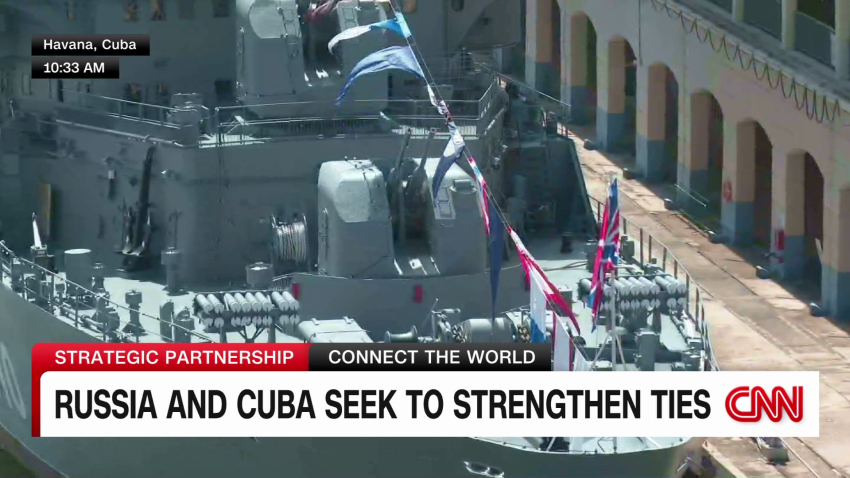
The ongoing crisis stems from Cuba’s limited domestic oil production, which currently stands at approximately 40,000 barrels per day, falling far short of the estimated 100,000 barrels needed for normal operations. For years, Cuba has relied on imports from allies like Venezuela and Mexico to bridge this gap, but those supplies have been disrupted by geopolitical shifts and pressures, including those exerted during the Trump administration. Occasional shipments from Russia have provided temporary relief, but the recent intensification of U.S. Economic pressure, including measures effectively blocking crude oil shipments, has exacerbated the situation. The New York Times reported that the first tanker arrived on Thursday.
A Lifeline, But Not a Cure-All
The arrival of the Anatoly Kolodkin, carrying approximately 730,000 barrels of crude oil, was a welcome sight for Cubans grappling with widespread blackouts. Still, experts caution that this single shipment will not resolve the island’s energy woes. Jorge Piñón, a Latin America energy expert, notes that it will capture weeks for the crude oil to be processed into usable fuel, and the volume of diesel produced will be relatively limited. According to the BBC, the process of converting the crude oil into diesel fuel is complex and time-consuming.
Cuba’s economic challenges further complicate the situation. The communist Caribbean nation faces a severe shortage of hard currency and limited access to international credit. This makes it difficult to secure consistent and affordable fuel supplies. The recent Russian shipments represent a crucial lifeline, but a sustainable solution requires addressing the underlying economic vulnerabilities.
U.S. Response and Geopolitical Implications
The Russian oil shipments to Cuba have drawn attention from the United States. When questioned about the tanker’s arrival, former U.S. President Donald Trump stated he had “no problem” with other countries sending oil to Cuba, acknowledging the island’s demand for survival. This stance, although seemingly pragmatic, underscores the complex geopolitical dynamics at play. The U.S. Maintains a long-standing economic embargo against Cuba, and while the current administration has taken steps to ease some restrictions, the overall policy remains largely in place.
The strengthening ties between Russia and Cuba are occurring against the backdrop of broader geopolitical tensions. Russia has been actively seeking to expand its influence in Latin America, and Cuba represents a strategic partner in this effort. The energy cooperation between the two countries is likely to continue, particularly as Cuba seeks to diversify its sources of supply and reduce its dependence on the United States. France24 reports that Russia is preparing to send a second tanker.
The Second Shipment and Future Outlook
The announcement of a second Russian oil shipment, revealed on Thursday by a Russian government official, indicates a commitment to continued support for Cuba’s energy sector. The details of the second shipment, including the name of the tanker and the volume of crude oil, have not yet been publicly disclosed. However, the move is expected to provide a temporary boost to Cuba’s fuel supplies and assist alleviate some of the pressure on its energy grid.
Despite the assistance from Russia, Cuba’s energy crisis is likely to persist in the short term. The island’s aging infrastructure, limited domestic production, and economic constraints pose significant challenges. Long-term solutions will require substantial investment in renewable energy sources, modernization of the energy grid, and a broader economic reform agenda. The current situation highlights the vulnerability of Cuba’s energy sector and its dependence on external assistance.
The arrival of Russian oil tankers is a symptom of a larger problem: Cuba’s economic isolation and its struggle to secure essential resources. While the shipments offer a temporary reprieve, they do not address the root causes of the crisis. The future of Cuba’s energy security will depend on its ability to forge new partnerships, attract investment, and implement sustainable energy policies.
The next key development to watch will be the arrival of the second Russian oil tanker and the subsequent impact on Cuba’s fuel supplies. Further updates on the situation are expected from Cuban government officials and energy experts in the coming weeks. Readers are encouraged to share their thoughts and perspectives on this evolving situation in the comments section below.
Keep reading