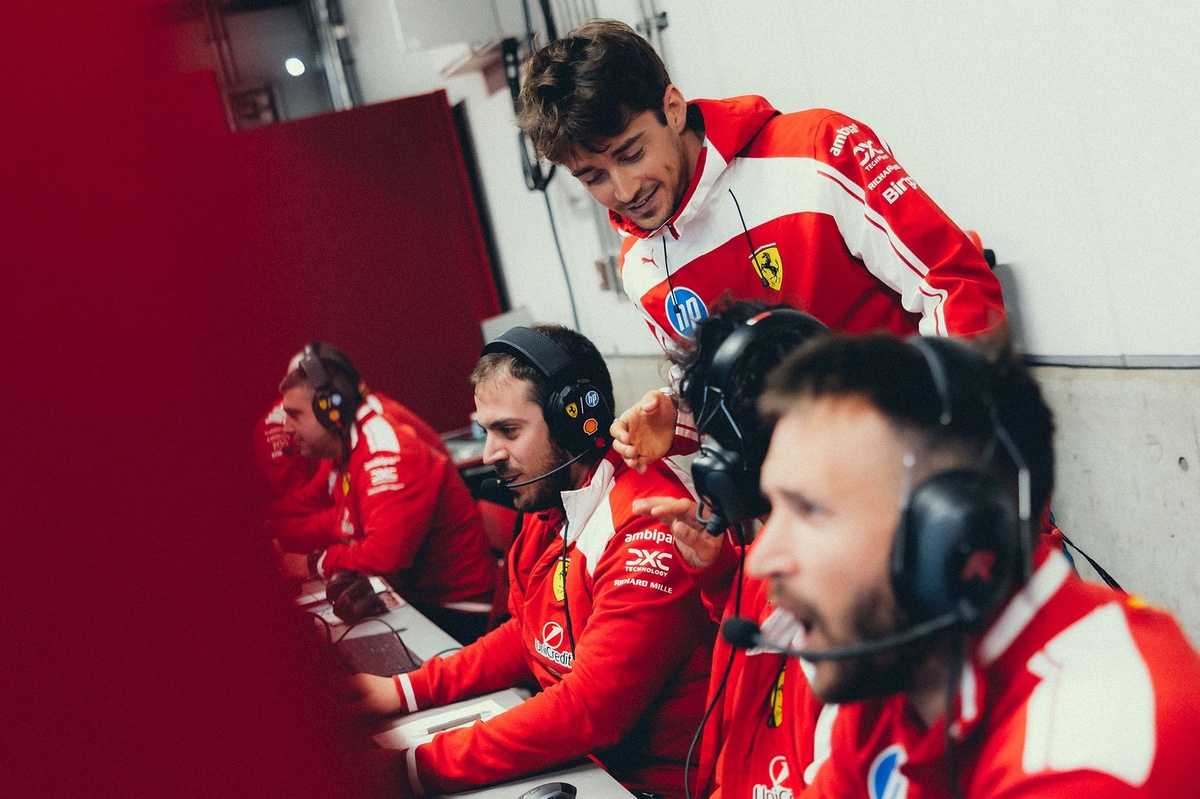
Maranello, Italy – Ferrari driver Charles Leclerc believes the Italian team has the potential to make “huge gains” across all areas of its 2026 Formula 1 car, from the power unit to aerodynamics and tyre management. This ambition comes as Ferrari continues to challenge Mercedes for dominance in the current season, despite falling short in the opening races. The team’s focus on comprehensive improvement signals a long-term commitment to competing at the highest level of the sport.
While Ferrari has demonstrated strong performance, emerging as a consistent challenger to Mercedes, they haven’t yet secured a race win in the first three Grands Prix of the 2026 season. Mercedes achieved front-row lockouts in those races, ultimately converting those advantages into victories. Leclerc’s assessment highlights the areas where Ferrari believes it can close the gap and potentially surpass its rival. The 2026 season marks a significant shift in Formula 1 regulations, with new engine rules and a greater emphasis on sustainable fuels, presenting both challenges and opportunities for all teams.
Ferrari’s Pursuit of Performance Gains
Leclerc specifically identified the power unit, chassis, aerodynamics, and tyre management as key areas for improvement. These components are all interconnected, and gains in one area can often have a positive impact on others. The development of a competitive power unit is particularly crucial, given the new regulations coming into effect in 2026. These regulations are designed to increase the efficiency and sustainability of Formula 1 engines, with a greater emphasis on the electrical component of the hybrid system. As reported by news sources, Ferrari is investing heavily in its power unit development program to ensure it remains competitive in the new era of Formula 1.

The chassis, which forms the structural core of the car, is another critical area for development. A stiffer and lighter chassis can improve handling and responsiveness, allowing drivers to push the car to its limits. Aerodynamics play a vital role in generating downforce, which helps the car grip the track and maintain stability at high speeds. Ferrari’s aerodynamic team is constantly working to refine the car’s shape and optimize airflow to maximize downforce and minimize drag. Tyre management is as well crucial, as the ability to maintain tyre temperature and grip throughout a race can significantly impact performance. Autosport highlights that Leclerc believes significant gains can be made in this area, potentially unlocking substantial performance improvements.
The 2026 Regulations and Their Impact
The 2026 Formula 1 season will witness a significant overhaul of the sport’s technical regulations, particularly concerning the power units. The new regulations aim to increase the efficiency and sustainability of the engines, with a greater emphasis on the electrical component of the hybrid system. The internal combustion engine will continue to play a role, but it will be paired with a more powerful and efficient electric motor. The regulations mandate the use of sustainable fuels, reducing the sport’s carbon footprint. These changes require substantial investment and development from all teams, and Ferrari is actively working to adapt to the new landscape.
The shift towards sustainable fuels is a key aspect of Formula 1’s commitment to environmental responsibility. These fuels are derived from renewable sources, such as biomass and waste products, and they have the potential to significantly reduce greenhouse gas emissions. The use of sustainable fuels is not only beneficial for the environment but also presents a technological challenge for engine manufacturers, who must ensure that the fuels deliver the same level of performance as traditional fossil fuels. The new regulations also include changes to the aerodynamic regulations, aimed at reducing the complexity of the cars and promoting closer racing.
Ferrari’s Strategy in Japan and Beyond
Recent performance, such as Charles Leclerc’s podium finish at the Japanese Grand Prix, demonstrates Ferrari’s ability to compete with Mercedes and Red Bull. Motorsport.com reports that Ferrari’s success in Japan was partly due to a clever energy strategy that allowed Leclerc to conserve battery power and deploy it effectively during the race. This strategic approach highlights the importance of optimizing all aspects of the car’s performance, not just raw speed.
The Japanese Grand Prix showcased Ferrari’s ability to adapt to changing track conditions and make strategic decisions that maximize their chances of success. Leclerc’s podium finish was a testament to the team’s hard work and dedication, and it provided a valuable boost of confidence as they continue to develop the car. However, Ferrari recognizes that they still have work to do to consistently challenge Mercedes and Red Bull for race wins. The team is committed to investing in research and development to improve all areas of the car, and they are confident that they can achieve their goals.
Looking Ahead: The Road to 2026
Ferrari’s ambition to achieve “huge gains” in all areas of its 2026 Formula 1 car reflects a long-term commitment to success. The team is investing heavily in its facilities and personnel, and they are working closely with their partners to develop cutting-edge technologies. The new regulations present both challenges and opportunities, and Ferrari is determined to capitalize on the latter. The team’s focus on sustainability and efficiency aligns with the broader goals of Formula 1, and they are confident that they can play a leading role in shaping the future of the sport.
The development of the 2026 car is already well underway, with engineers and designers working tirelessly to create a machine that is capable of competing at the highest level. The team is utilizing advanced simulation tools and data analysis techniques to optimize the car’s performance. They are also conducting extensive testing to validate their designs and ensure that the car is reliable and durable. Ferrari’s commitment to innovation and excellence is unwavering, and they are determined to deliver a car that will make their fans proud.
The next key checkpoint for Ferrari will be the ongoing development and testing of their 2026 power unit and chassis components. The team will continue to analyze data from races and testing sessions to identify areas for improvement. Further updates on Ferrari’s progress are expected throughout the 2026 season. We encourage readers to share their thoughts and predictions in the comments below. Don’t forget to share this article with fellow Formula 1 enthusiasts!