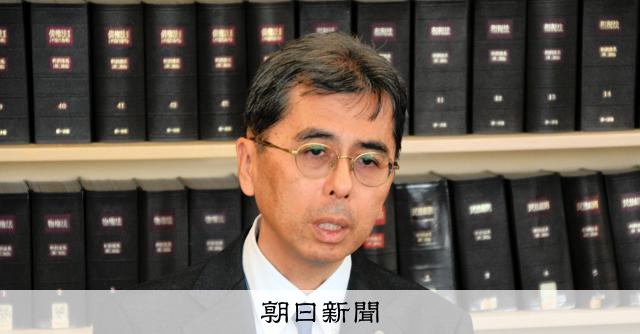
Tokyo – A rare and candid interview with a sitting judge in Japan has shed light on growing criticism of the country’s criminal justice system, specifically concerns over lengthy pre-trial detention and what some are calling “hostage justice.” Judge Kichi Hiraide, the presiding judge of the Tokyo District Court, acknowledged the validity of these criticisms, stating that reforms are needed but proving difficult to implement swiftly. The interview, conducted by the Asahi Shimbun newspaper, comes amid increasing scrutiny following high-profile cases of wrongful convictions and prolonged detention of individuals later found to be innocent.
The term “hostage justice” – hitojichi shihō in Japanese – refers to the practice where suspects, particularly those maintaining their innocence, face extended periods of pre-trial detention, sometimes lasting for months or even years. Critics argue this system effectively punishes individuals before they have been convicted of a crime and can coerce false confessions. Judge Hiraide’s willingness to address these concerns publicly is unprecedented, given the traditional independence and reticence of the Japanese judiciary. The judge emphasized the need for greater transparency and public understanding of the reasoning behind bail decisions.
The Weight of “Hostage Justice” Concerns
The impetus for this increased scrutiny stems from cases like that of the Yokohama-based Daikawhara Chemical Co. Wrongful conviction scandal, where multiple individuals were falsely accused of industrial espionage. The prolonged detention of those accused, despite maintaining their innocence, fueled public outrage and prompted calls for systemic change. More recently, cases involving individuals who confessed to crimes under duress during lengthy detentions, only to be later exonerated, have further intensified the debate. The issue isn’t simply about the length of detention, but the perception that the system disincentivizes maintaining innocence, as those who do are often seen as less likely to be granted bail.
Judge Hiraide acknowledged the seriousness of these concerns, stating, “I take the criticism seriously. There are points that need to be revised in light of past practice.” However, he also cautioned that immediate improvements would be challenging, citing the complexities of the legal system and the need for careful consideration of all factors involved in bail decisions. He explained that the judiciary is grappling with how to balance the rights of the accused with the need to ensure public safety and prevent flight risk.
The Supreme Court of Japan has already taken some steps to address the issue, holding a research meeting in January with approximately 70 judges to discuss potential reforms. This meeting signals a growing awareness within the judiciary of the need to address public concerns. Judge Hiraide’s decision to grant the interview, he explained, was motivated by a desire to make the thought processes of judges more visible to the public, countering the perception of opacity and unaccountability.
The Complexities of Bail Decisions
Bail decisions in Japan, as in many jurisdictions, involve a careful assessment of several factors, including the severity of the alleged crime, the strength of the evidence, the risk of the accused fleeing, and the potential for tampering with evidence or witnesses. However, critics argue that Japanese courts place undue weight on the risk of flight and often deny bail even in cases where the evidence is weak or circumstantial. The system also lacks clear guidelines for assessing the credibility of confessions, leaving room for coerced statements to be admitted as evidence.
Judge Hiraide touched upon the relationship between the presumption of innocence and the right to bail, stating that the two are “not necessarily related.” This statement, while potentially controversial, reflects the reality that bail decisions are often based on pragmatic considerations rather than a strict adherence to the principle of presumed innocence. He acknowledged that this disconnect can contribute to the perception of “hostage justice,” where individuals are effectively punished for asserting their right to a fair trial.
Recent reporting has highlighted the struggles faced by defendants and their legal counsel in navigating the bail system. In some cases, defense attorneys have even resorted to unconventional tactics, such as cohabitating with their clients and monitoring their social media activity, in an attempt to demonstrate their commitment to ensuring the defendant’s appearance in court. The Asahi Shimbun reported on these increasingly desperate measures taken by lawyers to secure bail for their clients.
Calls for Systemic Reform
The debate over “hostage justice” extends beyond the courtroom, with legal scholars and human rights advocates calling for comprehensive reforms to the Japanese criminal justice system. These proposed reforms include stricter regulations on pre-trial detention, clearer guidelines for assessing the credibility of confessions, and increased transparency in bail decisions. Some advocates have even called for the abolition of the practice of prolonged pre-trial detention altogether, arguing that it violates fundamental human rights.
The case of Marcus Cabazos, who spent six months in detention before ultimately being acquitted, has become a focal point for these calls for reform. As reported by the Asahi Shimbun, Cabazos described the psychological toll of his detention and the pressure to confess to a crime he did not commit. His experience underscores the urgent need for reforms to protect the rights of the accused and prevent wrongful convictions.
The issue also raises broader questions about the role of the judiciary in a democratic society. Critics argue that the Japanese judiciary has historically been too deferential to law enforcement and too reluctant to challenge the government. Judge Hiraide’s willingness to speak out on this issue, represents a potentially significant shift in attitude within the judiciary.
The Future of Criminal Justice in Japan
While Judge Hiraide acknowledged the challenges ahead, he expressed a commitment to addressing the concerns surrounding “hostage justice.” He emphasized the importance of ongoing dialogue between the judiciary, the legal profession, and the public to find solutions that balance the rights of the accused with the interests of justice. The Supreme Court’s research meeting in January is a positive step in this direction, but further action will be needed to implement meaningful reforms.
The debate over “hostage justice” is likely to continue in the coming months and years, as Japan grapples with the need to modernize its criminal justice system and ensure that it upholds the principles of fairness, transparency, and due process. The willingness of a sitting judge to engage in this debate publicly is a sign that change may be possible, but the path forward remains uncertain. The next key development will be the release of any recommendations stemming from the Supreme Court’s research meeting, expected later this year.
The ongoing discussion highlights a critical juncture for the Japanese legal system, demanding a reevaluation of its practices to ensure a more equitable and just process for all. The focus now shifts to whether the judiciary will translate this newfound awareness into concrete reforms that address the systemic issues contributing to the perception of “hostage justice.”
What are your thoughts on the Japanese criminal justice system? Share your comments below and let us know what reforms you believe are most urgently needed.
Related reading