For many, a sore throat is a fleeting inconvenience, a seasonal byproduct of a common cold. Though, for those grappling with recurrent tonsillitis, the experience is far more disruptive. When inflammation of the tonsils becomes a repeating cycle, it ceases to be a series of isolated incidents and begins to significantly erode a patient’s overall quality of life.
Recurrent tonsillitis affects both children and adults, manifesting as frequent episodes of pain, fever, and general discomfort. While the body is designed to fight off infections, the repetitive nature of these crises often signals that the standard immune response is insufficient or that the individual is facing continuous exposure to risk factors.
Managing this condition requires a shift from treating the immediate symptom to investigating the underlying cause. Understanding the distinction between viral and bacterial triggers, as well as knowing when clinical management is enough and when surgical intervention becomes necessary, is critical for long-term recovery.
Understanding Tonsillitis and Its Recurrent Nature
Tonsillitis is an infectious disease that causes inflammation of the tonsils—structures located at the back of the throat that serve as a primary defense mechanism, protecting the body against viruses and bacteria. Inflammation occurs when these defenses are overwhelmed, often because the immune system is compromised due to existing diseases or the use of certain medications according to health resources on tonsillitis.
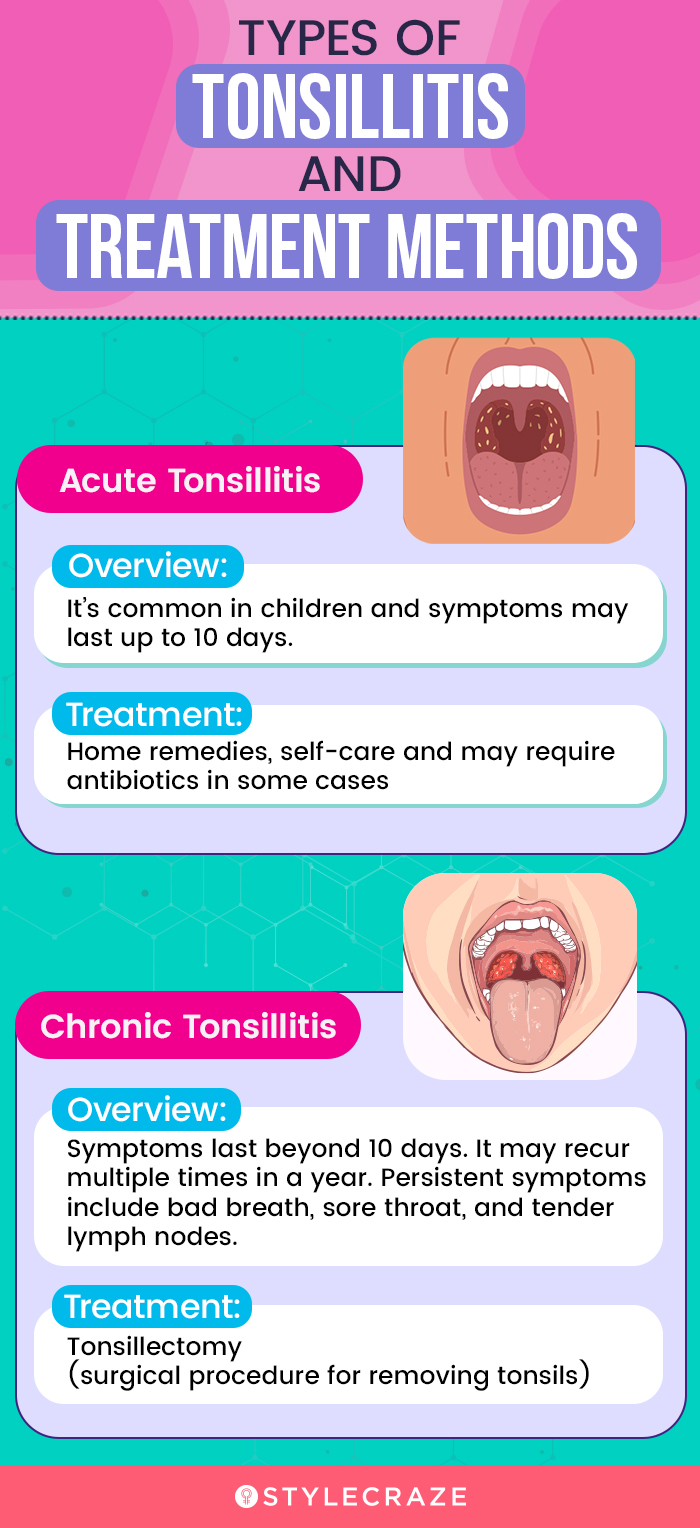
When this inflammation happens once or twice, It’s typically managed as an acute episode. However, “recurrent tonsillitis” is characterized by infections that repeat several times throughout the year. This pattern often indicates a necessitate for a more profound medical investigation to determine why the throat remains susceptible to repeated attacks.
Identifying the Symptoms
The symptoms of tonsillitis can vary in intensity but generally include a combination of the following:
- A sore throat lasting more than two days.
- Difficulty or pain when swallowing.
- A throat that appears red and swollen.
- Fever and chills.
- An irritative dry cough.
- Headaches or pain in the neck.
- Loss of appetite, general malaise, and bad breath.
- Swollen lymph nodes (ínguas) in the jaw or neck area.
- Changes in the voice or, in some instances, ear pain.
A key diagnostic marker occurs when the infection is bacterial: the presence of white spots of pus on the tonsils. This specific symptom is a critical indicator for physicians to initiate antibiotic treatment.
Bacterial vs. Viral Infections
The cause of the inflammation dictates the treatment path. Tonsillitis can be triggered by either viruses or bacteria, but the implications for the patient differ significantly.
Viral infections are common and typically resolve with supportive care. Bacterial infections, however, are generally more intense and carry a higher risk of complications if not treated correctly. Because of this, an accurate diagnosis by an otorhinolaryngologist (ENT specialist) or a general practitioner is essential to determine if antibiotics are required as noted in clinical guidelines.
According to Dr. Renata Mori, an otorhinolaryngologist specializing in nasal diseases, frequent crises are not merely isolated events. She explains that when a patient presents with repeated infections, it may indicate a failure in the immunological response or a continuous exposure to risk factors per medical analysis.
Treatment Options: From Clinical Care to Surgery
Treatment for recurrent tonsillitis must be individualized. The goal is not only to clear the current infection but to reduce the frequency of future episodes and improve the patient’s daily routine.
Clinical Management
For many, the first line of defense is clinical treatment. Depending on the cause, a physician may prescribe:
- Oral Hydration: Maintaining fluid intake to support the immune system and soothe the throat.
- Anti-inflammatory Medication: To reduce swelling and alleviate pain.
- Antibiotics: Specifically used to combat bacterial infections and prevent further complications.
Surgical Intervention (Tonsillectomy)
When clinical treatments fail to prevent the return of the infection, surgery may be considered. However, medical experts emphasize that surgery should never be the first option without a rigorous evaluation.
The decision to operate is based on a careful analysis of the impact the condition has on the patient’s quality of life. A primary criterion for considering surgery is the frequency of the infections. If episodes repeat multiple times a year and interfere significantly with the patient’s routine, the benefit of removing the tonsils may outweigh the risks of the procedure.
Key Takeaways for Patients
| Aspect | Clinical Approach | Surgical Approach |
|---|---|---|
| Primary Goal | Treat current infection and manage symptoms. | Permanently eliminate the source of recurrent infection. |
| Indications | Viral infections or early-stage bacterial infections. | High frequency of annual crises; failure of clinical treatment. |
| Common Treatments | Antibiotics, anti-inflammatories, hydration. | Tonsillectomy (surgical removal). |
| Key Specialist | General Practitioner or ENT. | Otorhinolaryngologist (ENT). |
If you or a family member are experiencing frequent sore throats, the most significant step is to track the frequency of these episodes. Documenting how many times the infection returns in a year provides the necessary data for an ENT specialist to determine if the condition is truly recurrent and whether a more aggressive treatment plan is required.
The next step for those suffering from these symptoms is to schedule a consultation with an otorhinolaryngologist for a physical examination of the throat and a review of medical history to establish a personalized treatment plan.
Do you have experience managing recurrent throat infections? Share your thoughts or questions in the comments below.