
The United Nations has issued a stark warning that the scale of humanitarian needs in Lebanon has now surpassed the resources available to address them. As the conflict between Israel and Hezbollah intensifies, the international community is struggling to keep pace with a rapidly deteriorating situation characterized by mass displacement and a collapsing infrastructure.
The crisis is the result of a sharp escalation in violence that has transformed Lebanon into a primary theater of war. What began as a regional flare-up has evolved into a systemic humanitarian emergency, with the UN noting that the current level of aid is insufficient to meet the basic survival needs of a population caught in the crossfire.
This shortfall comes at a critical juncture. With airstrikes expanding beyond traditional military targets and into densely populated urban centers, the number of civilians requiring urgent medical attention, shelter, and food has surged. The gap between available funding and the actual cost of life-saving interventions is widening, leaving thousands of displaced persons in precarious conditions.
A Timeline of Rapid Escalation
The current war is not an isolated event but the result of a cascading series of geopolitical shocks. The conflict was triggered on February 28, 2026, when the United States and Israel launched a coordinated attack against Iran, which included the assassination of Iran’s supreme leader as reported by CBC News.
The reaction was swift. Two days later, on March 2, 2026, the Iranian-backed militant group Hezbollah fired rockets into Israel, effectively pulling Lebanon into a full-scale military confrontation. This move shifted the conflict from a series of border skirmishes to a major war involving deep incursions and heavy aerial bombardment.
By mid-March, the violence had intensified significantly. On March 12, 2026, reports indicated that some 700 people had already been killed in Lebanon according to CBC News. The nature of the warfare has evolved from targeted strikes to larger arrays of firepower, with the UN warning that the situation is poised to grow “uglier day by day.”
Urban Warfare and the Impact on Beirut
While much of the initial fighting was concentrated in southern Lebanon, the war has increasingly hit the capital. Beirut, once partially spared from the heaviest fighting, is now a frequent target of Israeli airstrikes. The southern suburbs of Beirut, known as Dahiyeh—a stronghold for Hezbollah—have seen the most concentrated firepower.
However, the scope of the attacks expanded on March 18, 2026, when several Israeli strikes hit city center neighborhoods, some of which were carried out without prior warning as documented by AP News. These strikes have resulted in the total destruction of residential buildings, forcing rescue workers to search through rubble for survivors in the heart of the city.
The psychological and physical toll on the urban population is immense. The transition to city-center strikes indicates a shift in military strategy that increases the risk to non-combatants and complicates the delivery of humanitarian aid. With key roads blocked and hospitals overwhelmed, the “last mile” of aid delivery has become nearly impossible in certain districts.
The Humanitarian Gap: Why Resources are Failing
The United Nations has explicitly stated that the magnitude of the needs in Lebanon now exceeds the resources available via UN Peacekeeping. This gap is not merely a matter of funding, but of logistics and safety.
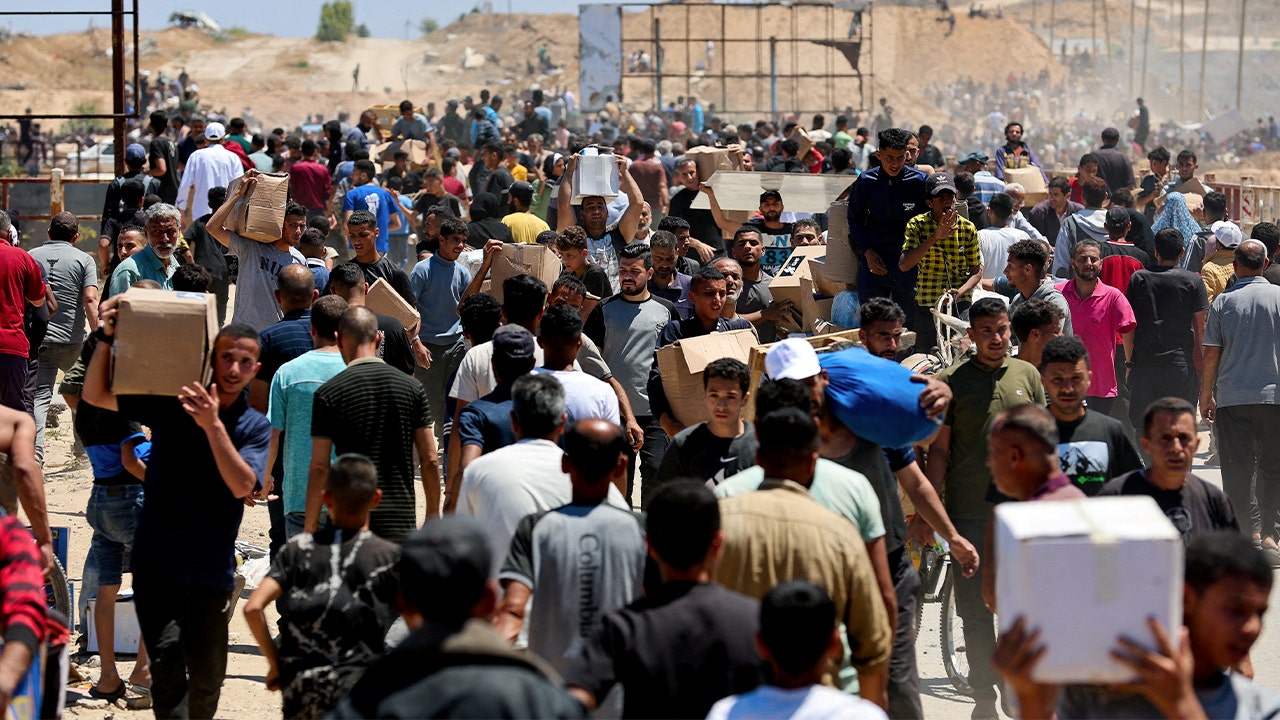
Several factors are contributing to this crisis:
- Mass Displacement: As Israeli military operations expand, thousands of civilians are fleeing their homes in the south and the Bekaa Valley, creating an immediate need for temporary shelter and sanitation.
- Infrastructure Collapse: Airstrikes on industrial sites, such as cement block factories in the Bekaa Valley, and residential zones in Beirut have destroyed the very infrastructure needed to house and support the displaced.
- Coordination Challenges: The coordination of rocket onslaughts—such as the joint attack by Hezbollah and Iran involving 200 rockets on a single Wednesday evening—has led to punishing counter-offensives that make the movement of aid convoys extremely dangerous.
For the civilians caught in this cycle, the lack of resources means a shortage of basic medicines, clean water, and secure housing. The UN’s warning serves as a call to the international community to increase both financial contributions and diplomatic pressure to ensure humanitarian corridors remain open.
Key Humanitarian Indicators
| Date | Key Event | Humanitarian/Military Impact |
|---|---|---|
| Feb 28, 2026 | US-Israeli attack on Iran | Assassination of Iran’s supreme leader. regional instability. |
| March 2, 2026 | Hezbollah rockets into Israel | Lebanon enters major conflict with Israel. |
| March 12, 2026 | Casualty Report | Approximately 700 dead in Lebanon. |
| March 18, 2026 | Beirut City Center Strikes | Destruction of urban residential areas; increased civilian risk. |
What This Means for the Future of Lebanon
The current trajectory suggests a deepening humanitarian catastrophe. When the UN declares that needs exceed resources, it typically signals that the agency is forced to prioritize only the most extreme cases, leaving thousands of others without essential support. This “triage” approach to humanitarian aid often leads to a secondary wave of casualties caused by disease, malnutrition, and untreated injuries.
the expansion of the war into the Bekaa Valley and the heart of Beirut suggests that no region of the country is currently safe. The displacement crisis is no longer localized to the border regions but has become a national emergency. The international community’s inability to match the scale of the crisis with adequate resources threatens to push Lebanon toward a total societal collapse.
The situation remains fluid. While military objectives are pursued by both Israel and Hezbollah, the civilian population remains the primary casualty of a war where the resources for survival are dwindling faster than they can be replenished.
The next critical checkpoint will be the upcoming UN briefings on the humanitarian situation in the Levant, where member states are expected to address the funding shortfall and the safety of aid workers operating in Lebanon.
World Today Journal encourages readers to share this report to raise awareness of the humanitarian crisis in Lebanon. We welcome your comments and perspectives on the international response to this conflict below.
Keep reading