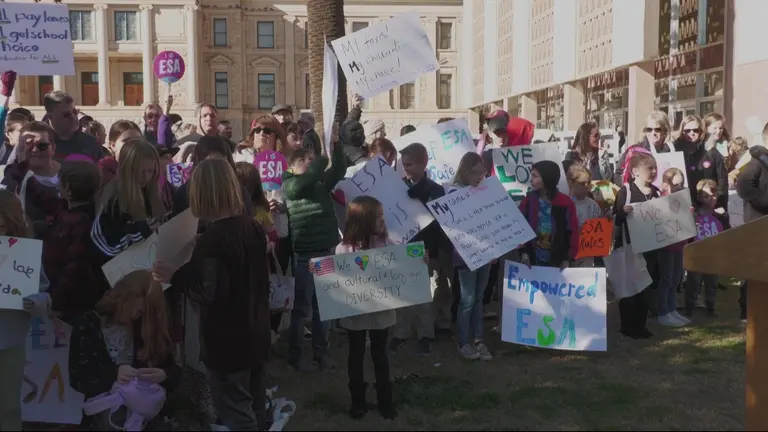
Arizona’s educational landscape is undergoing a significant financial shift as the state’s school voucher program has now surpassed $1 billion in funding directed toward private education. This milestone marks a substantial reallocation of resources that is actively reshaping the relationship between public and private schooling within the state.
The scale of this investment represents a pivot in how education is funded in Arizona, moving a considerable volume of taxpayer dollars away from traditional public school systems and into private alternatives. As the program expands, the financial implications for public school districts—which must navigate these shifts in funding—remain a central point of concern for educators and policymakers.
Accountability and Oversight Challenges
With the rapid growth and massive financial scale of the voucher system, concerns regarding oversight and the misuse of public funds have emerged. The transition to a high-spending model has already faced legal scrutiny regarding how these funds are managed and distributed.
In a recent development highlighting these risks, two individuals have been indicted for allegedly defrauding the Arizona school voucher program, according to reports from 12News. This legal action underscores the complexities of monitoring a program that distributes billions of dollars into private hands, raising questions about the sufficiency of current auditing processes.
The Impact on Public Education
The diversion of over $1 billion to private education creates a challenging environment for public schools. While the program aims to provide parents with more choices, the resulting financial drain on the public system can impact the resources available for students who remain in traditional classrooms.
The ongoing tension between the expansion of private vouchers and the stability of public school funding continues to be a primary driver of educational policy debates in the region. As the program continues to operate on a large scale, the focus is expected to shift toward balancing parental choice with the necessity of maintaining a robust public education infrastructure.
Further updates regarding the legal proceedings of the indicted individuals and subsequent audits of the voucher program are expected as the cases move through the court system. We invite our readers to share their perspectives on the balance between school choice and public funding in the comments below.
Related reading