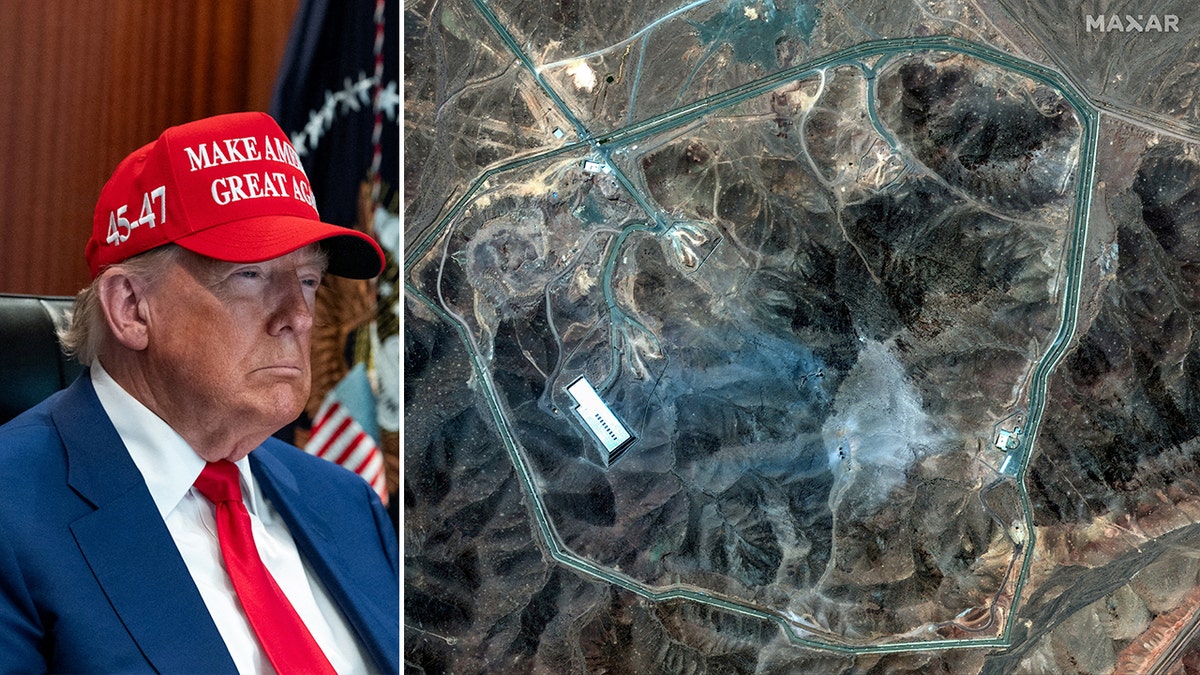
The world remains on a knife-edge as the conflict between Iran, the United States, and Israel enters its 38th day, with the possibility of a catastrophic escalation looming over the Middle East. Tensions reached a fever pitch this week as U.S. President Donald Trump issued a series of stark warnings to Tehran, coinciding with a critical deadline regarding the reopening of the Strait of Hormuz BBC.
While diplomatic channels are reportedly operating in the shadows, the public rhetoric has remained aggressive. President Trump has signaled that the window for a diplomatic resolution is closing rapidly, threatening total destruction if Iran does not meet his demands. Yet, a complex web of contradictory reports—ranging from secret text messages between officials to flat denials from the Iranian Foreign Ministry—has left global markets and regional governments uncertain about what will happen when the clock runs out.
At the heart of the current crisis is a high-stakes game of brinkmanship. The U.S. Administration is balancing the threat of wide-scale military strikes against the pursuit of a ceasefire that could potentially complete the war permanently. With the Strait of Hormuz—a vital artery for global energy supplies—at the center of the dispute, the geopolitical stakes could not be higher.
The Brink of Escalation: Trump’s Final Ultimatum
The current tension is anchored by a strict timeline set by the White House. While the world was initially bracing for a deadline on Monday, April 6, President Trump extended the grace period on Sunday. The new deadline is now set for 8:00 PM Eastern Time on Tuesday Sky News Arabia.
In a statement to Axios, Trump asserted that the United States is engaged in “serious negotiations” with Iran. Despite this, he maintained a posture of extreme aggression, stating that while there is a “good chance” for an agreement, the alternative is absolute: “if they don’t reach an agreement, I will destroy everything there” Sky News Arabia.
Intelligence and regional sources describe the current diplomatic efforts as a “last chance” to prevent a severe escalation. According to reports, a failure to reach a deal could trigger wide-scale U.S. Strikes targeting Iranian civilian infrastructure. Such an escalation could potentially provoke a retaliatory response from Tehran aimed at energy and water facilities across the region, posing a direct threat to the stability of the Gulf states Sky News Arabia.
Diplomatic Deadlock: Secret Channels vs. Public Denials
The narrative of “serious negotiations” is sharply contested by the Iranian government. The Iranian Foreign Ministry has officially denied the existence of any direct dialogue with Washington. Tehran has characterized President Trump’s claims of negotiations as a strategic ploy designed to lower global energy prices and buy the U.S. More time to finalize military operational plans CNN.
Despite these denials, reports suggest that communication is happening at an informal level. Axios has reported that U.S. Official Witkoff and Iranian official Araghchi have been exchanging text messages as part of the ongoing efforts to find a way out of the conflict Sky News Arabia. This suggests a disconnect between the official state positions and the actual diplomatic maneuvering occurring behind the scenes.
Regional players too appear to be maintaining a cautious distance. While Iran has acknowledged “initiatives” from regional countries to reduce tensions, it maintains that the responsibility for ending the war lies solely with Washington. Adding to the uncertainty, a Qatari diplomat confirmed to CNN that Qatar is not currently participating in any mediation efforts between Tehran and Washington CNN.
The Pakistan Framework: A Two-Stage Path to Peace
Amidst the threats and denials, a concrete proposal has emerged from Islamabad. Reuters reports that Pakistan has developed a two-stage framework aimed at ending hostilities, which has been delivered to both the United States and Iran BBC.

The proposed framework is structured as follows:
- Stage One: An immediate ceasefire and the reopening of the Strait of Hormuz to ensure the flow of global trade, and energy.
- Stage Two: The negotiation of a comprehensive final agreement to be reached within 15 to 20 days BBC.
The final agreement proposed in the Pakistani framework includes significant concessions. It suggests that Iran abandon its nuclear weapons program in exchange for the lifting of international sanctions and the release of frozen Iranian assets BBC. While this provides a theoretical roadmap for peace, the deep mistrust between the two powers makes the implementation of such a plan a daunting challenge.
Strategic Stakes and the 45-Day Ceasefire
Parallel to the Pakistani proposal, other mediators are pushing for a shorter-term solution. Discussions are reportedly underway between the U.S., Iran, and a group of intermediaries regarding a potential 45-day ceasefire Sky News Arabia. This temporary truce would serve as a cooling-off period, potentially creating the necessary space to transition toward a permanent end to the war.
However, the prospects for an immediate breakthrough remain grim. Sources familiar with the talks have described the chance of reaching even a partial agreement within the next 48 hours as “slight” Sky News Arabia. The primary obstacle remains the clash between Trump’s demand for immediate results and Iran’s refusal to acknowledge a dialogue on terms it deems unfavorable.
Summary of Current Conflict Status
| Metric/Factor | Detail | Status/Deadline |
|---|---|---|
| Conflict Duration | 38 Days | Ongoing |
| Primary U.S. Deadline | Reopening of Strait of Hormuz | Tuesday, 8:00 PM ET |
| Proposed Truce | 45-Day Ceasefire | Under Discussion |
| Mediation Plan | Pakistan Framework | Two-Stage Proposal |
| Key Concession | Abandonment of Nuclear Weapons | Proposed Final Deal |
The coming hours are critical. The international community is watching to see if the “serious negotiations” mentioned by President Trump will manifest in a tangible agreement or if the extended deadline will simply lead to the “destruction” he threatened. For the millions of people in the region and the global economy dependent on the Strait of Hormuz, the cost of failure is unimaginably high.
The next confirmed checkpoint is the expiration of the U.S. Deadline at 8:00 PM Eastern Time on Tuesday. We will continue to monitor official statements from the White House and the Iranian Foreign Ministry as this situation evolves.
Do you believe a 45-day ceasefire is a viable step toward permanent peace, or is the current rhetoric too volatile for diplomacy to perform? Share your thoughts in the comments below and follow our live updates.
Keep reading
- Nauru Changes Official Name to Republic of Naoero
- French Police Investigate Suicides and Attempted Suicides at Prime Minister’s Office
- Trump Administration Begins Systematic Appropriation of Japanese Manga (newsdirectory3.com)
- Understanding Threat Actors: Anatomy of Cyberattacks & Infrastructure Defense (archynewsy.com)