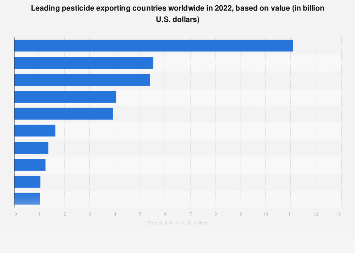
The global agricultural pesticide trade represents a multi-billion dollar industry, serving as a critical pillar for maintaining food security and protecting crop yields against the persistent threats of pests, fungi, and bacteria. For nations with vast agricultural sectors, the ability to source effective chemical interventions is not merely a matter of commerce, but a strategic necessity to prevent widespread crop failure and economic instability.
In Egypt, where agriculture is a cornerstone of the national economy, the management of these chemical inputs is governed by a rigorous regulatory framework. The focus is not only on the availability of these products but on their registration, safety, and the precision of their application to ensure that the drive for higher productivity does not compromise environmental health or consumer safety.
As the industry evolves, the reliance on registered directories and government oversight has become paramount. By shifting from unregulated imports to a structured system of approved materials, Egypt aims to balance the necessity of chemical pest control with the stringent requirements of modern agricultural standards.
Egypt’s Regulatory Landscape for Agricultural Pesticides
The oversight of chemical inputs in Egyptian agriculture is centralized through the Agricultural Pesticides Committee (APC). This body serves as the primary authority for ensuring that any pesticide used within the country meets specific safety and efficacy standards. The APC maintains a comprehensive database of all pesticides recommended for use in Egypt, providing a critical layer of verification for farmers and distributors alike.
Beyond simple registration, the APC is responsible for issuing safe-use instructions. These guidelines are essential for mitigating the risks associated with chemical runoff and ensuring that residues on food crops remain within permissible limits. The committee also manages a database of licensed traders, which helps the government track the distribution chain and combat the proliferation of counterfeit or banned substances that could jeopardize the agricultural export market.
Navigating Registered Pesticides and Market Availability
For farmers and agricultural entrepreneurs, adhering to the official directory of registered pesticides is the only way to ensure legal compliance and crop safety. The market in Egypt features a variety of specialized chemicals designed to target specific biological threats, ranging from broad-spectrum fungicides to targeted insecticides.
According to the directory of agricultural pesticides registered in Egypt, several key products have been identified for their effectiveness in the local climate. Among the registered chemicals are Oxy Cup WG 84%, which utilizes the active ingredient Copper Oxychloride (Registration No. 1208), and Abaclin SC 10%, which relies on Abamectin (Registration No. 3610).
The directory also highlights other specialized options used to protect crops from degradation, including:
- Hector 80%: Noted as one of the effective options available in the Egyptian market.
- Magic Mic 1.8%: A registered solution for pest management.
- Magic Smart 5%: Utilized for targeted agricultural protection.
- Toma Guard 5%: Another key entry in the registered pesticide list.
These materials are designed to address the diverse challenges of Egyptian soil and climate, where fungi and bacteria can rapidly deplete harvests if not managed with precision. The transition toward using specifically registered products like Abazin EC reflects a broader trend toward scientific pest management rather than the haphazard application of generic chemicals.
The Economic Impact of Chemical Crop Protection
The trade of agricultural pesticides is driven by the constant battle against evolving biological threats. When pests or diseases strike, the resulting loss in yield can lead to significant financial deficits for minor-scale farmers and large agribusinesses alike. The availability of high-quality, registered pesticides is directly linked to the economic stability of the rural workforce.
However, the “billion-dollar” nature of this trade also introduces risks. The influx of chemicals from various global exporters requires a strong domestic filter. By maintaining a strict registration process, Egypt protects its agricultural exports from being rejected in international markets due to the presence of unauthorized chemical residues. This regulatory rigor is what allows Egyptian produce to remain competitive in global trade, ensuring that “Made in Egypt” remains a mark of quality and safety.
Key Takeaways for Agricultural Stakeholders
- Verification is Mandatory: Farmers should only use pesticides listed in the official APC database to ensure crop safety and legal compliance.
- Active Ingredient Awareness: Understanding the difference between active ingredients, such as Copper Oxychloride and Abamectin, allows for more targeted and efficient pest control.
- Regulatory Adherence: Following the safe-use instructions provided by the Agricultural Pesticides Committee is critical for preventing environmental contamination.
- Market Legitimacy: Purchasing only from traders listed in the government database reduces the risk of using ineffective or hazardous counterfeit products.
As Egypt continues to modernize its agricultural sector, the focus will likely shift toward integrated pest management (IPM) and the adoption of biological alternatives to supplement traditional chemical pesticides. The current infrastructure provided by the APC ensures that as these new technologies emerge, they can be vetted and integrated into the national strategy systematically.
For the most current updates on registered pesticides, safe application guidelines, and licensed distributors, stakeholders are encouraged to consult the official Agricultural Pesticides Committee (APC) portal.
We invite our readers to share their perspectives on the balance between chemical productivity and environmental sustainability in the comments below.