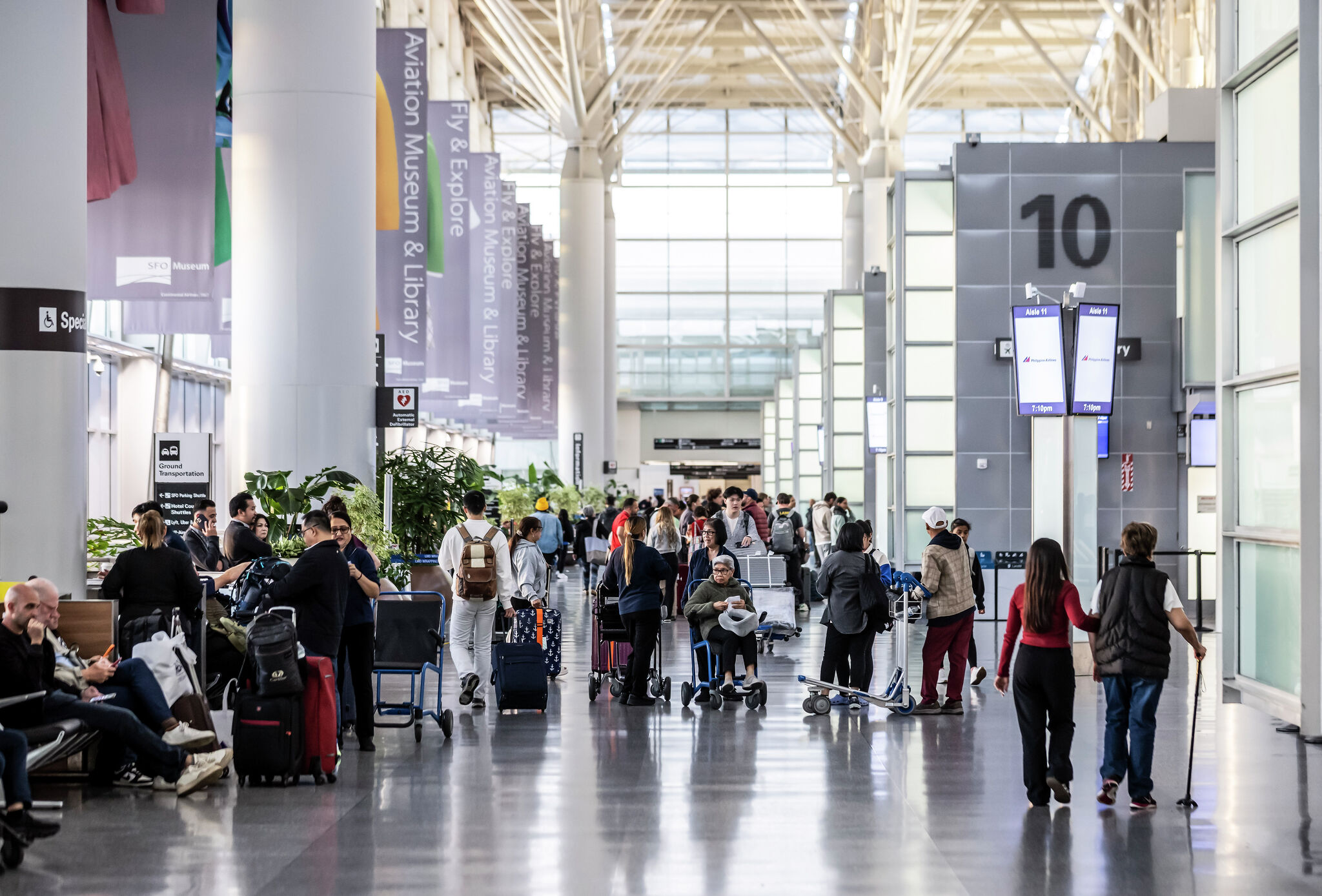
The Trump administration is considering a drastic measure that could effectively halt international travel at several of the United States’ largest aviation hubs. Homeland Security Secretary Markwayne Mullin has indicated that the Department of Homeland Security (DHS) may pull customs officers from airports located in so-called sanctuary cities, a move that would disrupt the ability of these airports to process international arrivals.
This potential shift in policy is framed as explicit retaliation for cities that limit their cooperation with federal immigration authorities. By removing U.S. Customs and Border Protection (CBP) agents, the administration would target the critical infrastructure required for international flights to operate, potentially impacting millions of travelers and the economic stability of major metropolitan areas.
The proposal targets cities that have adopted sanctuary policies, which typically restrict local law enforcement from assisting federal agents in the arrest and deportation of undocumented immigrants. Among the major hubs mentioned as being at risk are San Francisco, Los Angeles, New York, Chicago, and Philadelphia via Notus.
Secretary Mullin first floated the idea during a sit-down interview with Fox News host Bret Baier that aired on Monday, April 6, 2026. During the segment, Mullin questioned whether cities that refuse to enforce federal immigration policy should be permitted to process international customs entries via New York Post.
Retaliation Against Sanctuary City Policies
The core of the dispute lies in the tension between local municipal policies and federal immigration mandates. Sanctuary cities often implement rules that prevent local police from notifying federal authorities about the immigration status of individuals in their custody or from allowing federal agents to use local facilities for immigration enforcement.
Secretary Mullin expressed a firm stance against these local policies, stating, “I believe sanctuary cities are not lawful. I don’t consider they’re able to do that,” during his interview with Bret Baier via Notus. He argued that the federal government must focus its resources on cities that are willing to partner with the administration.
When questioned by Baier on whether this meant international airports in these cities might lose their customs processing capabilities, Mullin responded, “We’re gonna have to start prioritizing things at some point” via New York Post.
Mullin further linked this decision to broader political conflicts, noting that Democrats have sought to defund Customs and Border Protection. He suggested that such political pressures would force him to make “hard decisions” regarding where to allocate CBP personnel.
🚨 NEW: DHS Sec. Markwayne Mullin reveals to @BretBaier that sanctuary cities might lose CBP customs at airports until they comply pic.twitter.com/XXXXX
Impact on International Aviation Hubs
The potential removal of CBP agents would have immediate and severe consequences for international aviation. U.S. Customs and Border Protection agents currently operate at more than 300 ports of entry across the country, including major international airports via New York Post. Without these officers to process passports, visas, and customs declarations, international flights cannot legally land and discharge passengers.
For a city like San Francisco, the removal of customs officers at SFO would effectively halt international travel to and from the region. This would not only disrupt tourism and business travel but also sever critical supply chains and diplomatic links. Because the proposed action targets the largest travel hubs in the country, the ripple effect would likely be felt across the global aviation network.
The administration’s logic, as articulated by Mullin, is that it is contradictory for a city to receive international flights while refusing to enforce the immigration policies that govern those arrivals. He stated, “If they’re a sanctuary city, and they’re receiving international flights, and we’re asking them to partner with us at the airport, but once they walk out of the airport they’re not going to enforce immigration policy, maybe we need to have a really hard look at that” via New York Post.
Legal and Economic Implications
The proposal to strip customs officers from airports as a means of punishing local governments is expected to face significant legal challenges. Municipalities may argue that such a move exceeds the DHS’s authority and unfairly penalizes millions of citizens and businesses for the policy decisions of city officials.

Economically, the stakes are immense. International airports serve as primary engines of economic growth for cities like New York and Los Angeles. A sudden cessation of international flights would lead to massive revenue losses for airlines, airport authorities, and local businesses including hotels and restaurants.
The DHS Secretary has framed this as a matter of prioritization. By suggesting that the administration will “take a hard look” at these airports, Mullin is signaling that the Trump administration is willing to use federal service provision as leverage to force compliance from non-cooperative cities via Notus.
Key Takeaways of the Proposed Plan
- Target: International airports in sanctuary cities (e.g., San Francisco, New York, Los Angeles, Chicago, Philadelphia).
- Proposed Action: Removal of U.S. Customs and Border Protection (CBP) officers from these locations.
- Objective: Retaliation for cities that limit cooperation with federal immigration authorities.
- Consequence: Potential cancellation or halting of international flights to the affected hubs.
- Justification: A need to prioritize resources for cities that “want to work” with the federal government.
As of April 7, 2026, the DHS has not issued a formal order to remove officers, but Secretary Mullin’s public statements indicate that the administration is actively evaluating the move. The next steps will likely involve a determination of which specific airports meet the criteria for “sanctuary” status and the legal framework the DHS intends to use to justify the reallocation of CBP personnel.
We will continue to monitor official DHS announcements and potential legal filings from affected cities. We invite our readers to share their perspectives on this developing story in the comments below.
Keep reading
- Vittorio Gassman, Gigi Proietti y Virginia Vestoff en “A Wedding” (1978). Director: Robert Altman
- Did Trump fire someone trying to stop IRS abuses?
- Trump says US being ‘invaded by filthy air’ as he threatens Canada with tariffs over wildfires (archyworldys.com)
- China Extends Visa-Free Travel to UK and Canada Starting February 2026 (time.news)