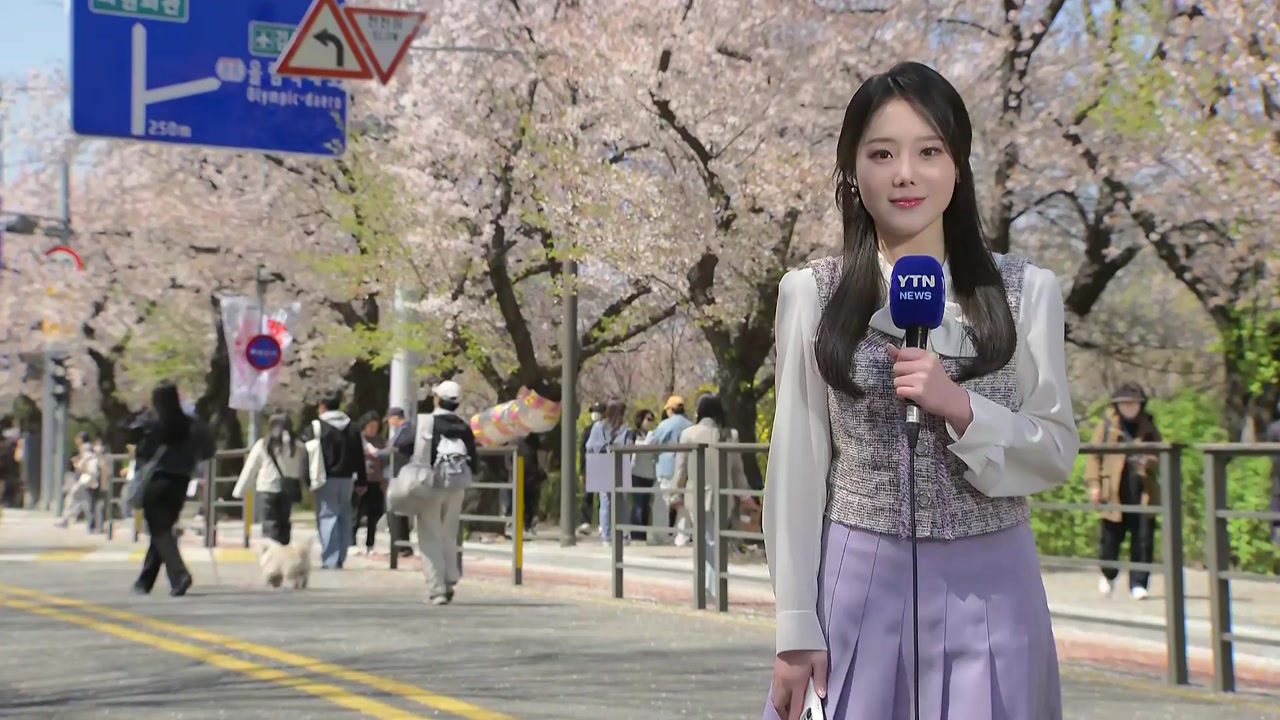
Visitors to Seoul’s Yeouido Spring Flower Festival are facing a race against time and shifting weather patterns as the event reaches its final day. Following recent rainfall, the scenic Yunjung-ro road—famous for its dense canopy of cherry blossoms—remains a primary draw for crowds seeking a final glimpse of the spring blooms before the season concludes.
The intersection of erratic spring weather and the peak bloom cycle has created a volatile environment for attendees. While the rain has cleared, the resulting temperature fluctuations are posing a challenge for those visiting the festival, necessitating a cautious approach to clothing and health management during the final hours of the celebration.
The Yunjung-ro area, which serves as the heart of the festival, has seen a surge in foot traffic as residents and tourists attempt to capture the blossoms before they fall. Yet, the transition from rain to sunshine often brings unpredictable dips in temperature, particularly in the evening, which can lead to sudden chills for unprepared visitors.
Navigating the Final Day of the Yeouido Spring Flower Festival
As the festival concludes, the focus for visitors has shifted toward managing the physical impact of the weather. The aftermath of rain often leaves the ground damp and the air crisp, meaning that the perceived temperature can be significantly lower than the official forecast suggests. Local advisories emphasize the importance of dressing in layers to accommodate these rapid changes.
The phenomenon of “spring chills” is particularly prevalent in Seoul during the cherry blossom season. When rain moves through the region, it often clears the air of pollutants but can too trigger a drop in temperature that catches visitors off guard. This is especially critical for those spending extended periods walking along the Yunjung-ro path, where the shade of the trees and the damp pavement can intensify the cold.
Understanding the Impact of Spring Pollen and Weather
While the visual appeal of the blossoms is the main attraction, the environmental conditions of spring bring specific health considerations. Many visitors often associate their spring allergies with the cherry blossoms themselves; however, scientific evidence suggests otherwise. According to reports from Dong-A Science, cherry blossoms are unlikely to be the primary cause of spring pollen allergies, as their pollen is typically too heavy and sticky to be easily wind-borne.
Instead, the allergies commonly experienced during these festivals are often linked to other wind-pollinated trees or grasses that bloom simultaneously. For those visiting Yunjung-ro on the final day, It’s important to distinguish between the aesthetic beauty of the cherry blossoms and the actual allergens present in the urban environment.
Safety and Health Tips for Festival Attendees
To ensure a safe experience during the final day of the festival, visitors are encouraged to follow these guidelines regarding temperature and health:

- Layering Clothing: Use a combination of light and heavy layers to easily adjust to temperature swings between the sunny afternoon and the cooler evening.
- Hydration and Rest: With the high volume of crowds on the final day, staying hydrated is essential to avoid fatigue.
- Allergy Management: Be aware that while cherry blossoms themselves are not the main culprits of allergies, other spring pollen may be active.
The volatility of the weather following rain can also affect the longevity of the blossoms. Rain often accelerates the “petal fall,” meaning that the window to see the flowers in full bloom is significantly shortened. This has contributed to the urgency and increased crowding observed on the final day of the event.
The Significance of Yunjung-ro in Seoul’s Spring Tradition
Yunjung-ro is more than just a road; it is a cultural landmark during the spring. The concentration of cherry trees creates a tunnel-like effect that attracts millions of visitors annually. The final day of the festival typically marks the transition of the landscape from a vibrant pink canopy to a “flower rain” of falling petals, a sight that is equally prized by photographers and nature lovers.
The management of such large crowds, especially when combined with unpredictable weather, requires significant coordination. Local authorities typically monitor temperature changes and pedestrian flow to ensure that the final day concludes without major safety incidents.
As the event wraps up, the focus moves toward the cleanup and restoration of the Yeouido area. The transition from a high-traffic festival zone back to a standard urban thoroughfare happens quickly, marking the official finish of the spring bloom season for one of Seoul’s most iconic locations.
With the festival now closing, visitors are encouraged to stay tuned to official weather channels for updated forecasts as the city moves further into the spring season. Please share your experiences of this year’s bloom in the comments below.