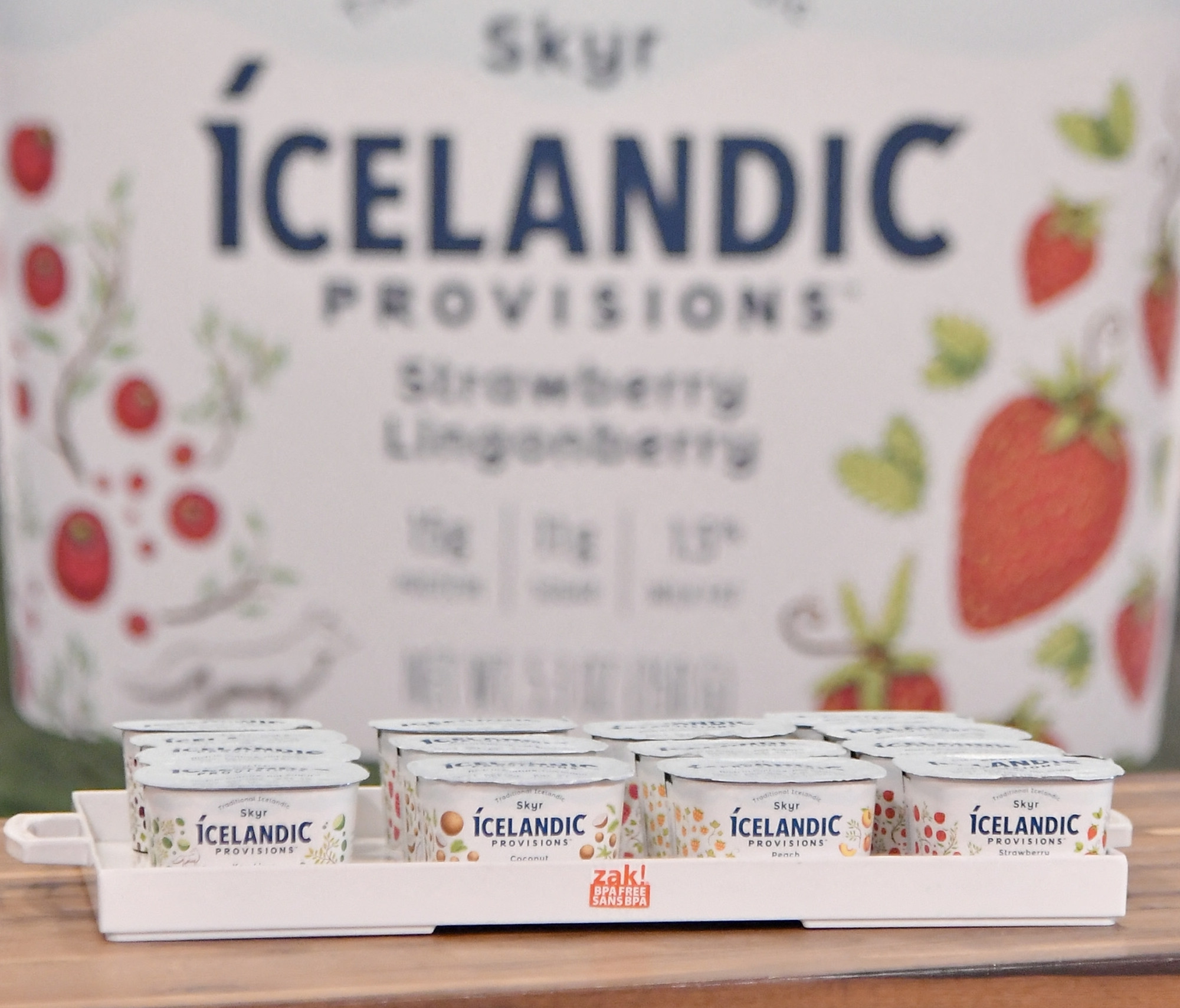
When you reach for a container of Skyr, a bag of pre-shredded carrots, or a carton of almond milk, you likely view them as healthy choices. These products are often positioned as “wellness” staples, designed for those seeking high protein, plant-based alternatives, or convenient vegetable intake. However, a growing body of evidence and recent alerts from consumer advocacy groups suggest that many of these “healthy” options are actually ultra-processed foods (UPFs) laden with industrial additives.
As a physician and health journalist, I have seen how the complexity of modern food labeling can obscure the reality of what we consume. The distinction between a “processed” food and an “ultra-processed” one is not merely semantic; We see a matter of industrial chemistry. While basic processing—such as pasteurizing milk or canning vegetables—is often benign, ultra-processing involves a level of transformation that strips food of its original nutritional integrity and replaces it with substances rarely found in a home kitchen.
The association Foodwatch has highlighted a concerning trend: the “health halo” effect. This occurs when a product’s marketing emphasizes one positive attribute (like “high protein” or “plant-based”) to distract consumers from a long list of emulsifiers, stabilizers and modified starches. These ingredients are not added for nutritional value, but to modify texture, enhance taste, and extend shelf life, effectively transforming raw ingredients into industrial formulations.
Understanding the impact of ultra-processed foods on our long-term health is now a critical priority for public health. With these products occupying nearly 8 out of 10 spots on some supermarket shelves, the environment we navigate daily is increasingly designed to favor industrial efficiency over human biology Foodwatch.
Defining the Ultra-Processed Food Crisis
To navigate the grocery store effectively, we must first understand what constitutes an ultra-processed food. While a universal scientific definition is still evolving, experts often rely on the NOVA classification system. Under this framework, an aliment is considered ultra-processed when it has undergone significant physical, chemical, or biological transformations through complex industrial processes Foodwatch.
These processes include “cracking” (fractioning foods into multiple components to produce starch), extrusion (used to create breakfast cereals), and high-temperature industrial frying. The result is a product that bears little resemblance to the raw food from which it originated Foodwatch EN.
The hallmark of a UPF is the presence of “technological ingredients.” These are substances you would not find in a standard home recipe, such as:
- Maltodextrin: A polysaccharide used as a filler and thickener.
- Hydrogenated oils: Processed fats used to improve stability and texture.
- Modified starch: Chemically altered starch to change its functional properties.
- Palm oil: Frequently used for its industrial versatility and low cost.
- Additives: Including emulsifiers, taste enhancers, and antioxidants designed to manipulate the sensory experience and shelf life Foodwatch EN.
A practical rule of thumb for consumers is to examine the ingredient list. Products that contain five or more ingredients, particularly those with names that sound like chemistry experiments, are likely ultra-processed Foodwatch EN.
The Health Implications of Industrial Formulations
The concern regarding ultra-processed foods is not based on a single study, but on a broad consensus emerging from international research. More than a hundred scientific studies, including those published in The Lancet, have indicated a strong association between the consumption of UPFs and several severe health outcomes Foodwatch.
The risks associated with a diet high in these products include:
- Metabolic Disorders: An increased risk of type 2 diabetes, overweight, and obesity.
- Cardiovascular Health: A higher prevalence of cardiovascular diseases.
- Chronic Illness: A linked increase in the risk of various cancers.
- Mental Health: An association with depressive symptoms Foodwatch.
From a clinical perspective, the danger lies in the synergy of these ingredients. It is not just the presence of salt or sugar, but the way these foods are engineered to be “hyper-palatable.” By manipulating the texture and taste, the food industry creates products that are effortless to overconsume, bypassing the body’s natural satiety signals. When we replace whole foods with industrial substitutes—even those marketed as “healthy”—we lose the essential fibers, micronutrients, and complex structures that regulate our metabolism.
How to Spot “Hidden” Ultra-Processed Foods
The most deceptive UPFs are those that mimic healthy, whole foods. The “health halo” mentioned earlier makes it easy to overlook the industrial nature of products like flavored milk drinks, industrial breads, or “ready-to-use” vegetable preparations Foodwatch EN.
To protect yourself, focus on these three red flags:
1. The “Convenience” Trap: If a product is marketed as “instant,” “ready-to-use,” or “ultra-convenient,” it has likely been subjected to the very processes (like extrusion or high-heat treatment) that define ultra-processing Foodwatch EN.
2. Industrial Additives: Look for emulsifiers and stabilizers. These are used to keep oil and water from separating or to give a “creamy” mouthfeel to plant-based milks and yogurts. If the ingredient list contains terms like “modified starch” or “emulsifier,” the product is an industrial formulation, not a whole food Foodwatch EN.
3. Aggressive Marketing: Be wary of health claims on billboards or packaging that omit the full ingredient list. The industry often promotes these products as “practical” and “affordable,” but the long-term cost to public health is significant Foodwatch.
Comparison: Processed vs. Ultra-Processed
| Feature | Processed Foods | Ultra-Processed Foods (UPFs) |
|---|---|---|
| Primary Goal | Preservation, convenience, or flavor enhancement. | Industrial efficiency, hyper-palatability, and long shelf life. |
| Ingredients | Raw foods plus basic additions (e.g., salt, sugar, oil). | Industrial additives, modified starches, hydrogenated fats. |
| Transformation | Simple (e.g., canning, freezing, pasteurizing). | Complex (e.g., extrusion, fractioning, chemical modification). |
| Home Replication | Can usually be made in a home kitchen. | Requires industrial machinery and chemical agents. |
By shifting our focus back to minimally processed ingredients—choosing raw carrots over pre-shredded bags or making almond milk from soaked nuts—we can reclaim control over our nutritional health. The goal is not perfection, but a conscious reduction of the industrial influence on our plates.
As consumer advocacy groups like Foodwatch continue to expose these industrial practices, the next step for regulators will be to address how these products are marketed to the public. We await further updates on labeling mandates and public health advisories regarding the classification of ultra-processed foods.
Do you check the ingredient lists for “hidden” additives in your healthy staples? Share your experience in the comments below and support us spread awareness about industrial food processing.
Keep reading