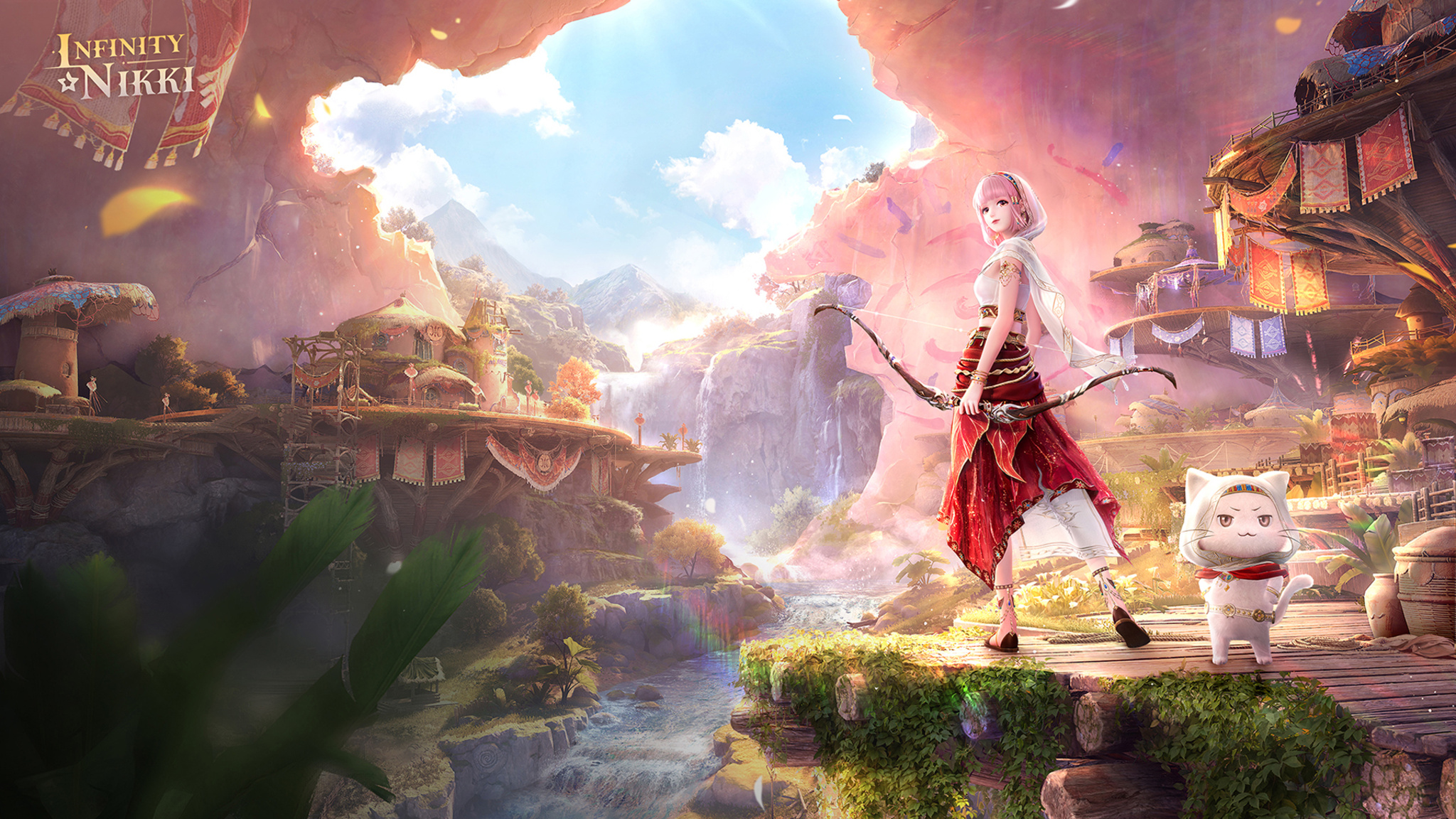
In the evolving landscape of digital entertainment, few transitions are as ambitious as the one recently undertaken by Infold Games. With the release of Infinity Nikki, the developer has moved beyond the confines of traditional dress-up mechanics to construct a sprawling, high-fidelity open world for Infinity Nikki that blends high fashion with action-adventure RPG elements.
The project marks the fifth installment in the Nikki series, representing a fundamental shift in how the franchise approaches gameplay. Rather than focusing solely on aesthetic coordination, players now navigate the vast lands of Miraland, using magical Ability Outfits to solve intricate puzzles and explore a world where clothing serves as the primary tool for interaction, and progression.
To achieve this level of immersion, Infold Games leveraged the power of Unreal Engine 5, enabling a visual experience that emphasizes light, texture, and movement. The result is a title that has already garnered significant critical acclaim, including being named a 2025 Apple Design Award winner for Visuals and Graphics and a finalist for the App Store Awards Game of the Year in 2025.
Designing an Immersive Open-World Experience
The decision to pivot to an open-world RPG was not an overnight choice. According to Douhu, the lead gameplay systems designer for outfits, the vision for an open-world structure was established roughly six years ago. The goal was to differentiate the Nikki experience from other open-world titles by centering the adventure around the series’ established fashion identity rather than traditional combat.
While the game introduces light combat and action-adventure elements, these are designed to support the core experience rather than dominate it. This philosophy extends to the character’s movement; Nikki’s double-jump is intentionally designed as a slow, floating motion. This “micro-response” allows players to breathe and appreciate the environmental details of Miraland without the frantic pace typical of many action games.
The scale of the production is immense. Douhu reveals that a team of roughly 800 people worked on the visuals alone, managing complex pipelines that include cutscenes, the NPC ecosystem, and performance optimization. This massive effort was guided by executive producer Kentaro Tominaga, whose previous experience includes function on several installments of the Legend of Zelda series.
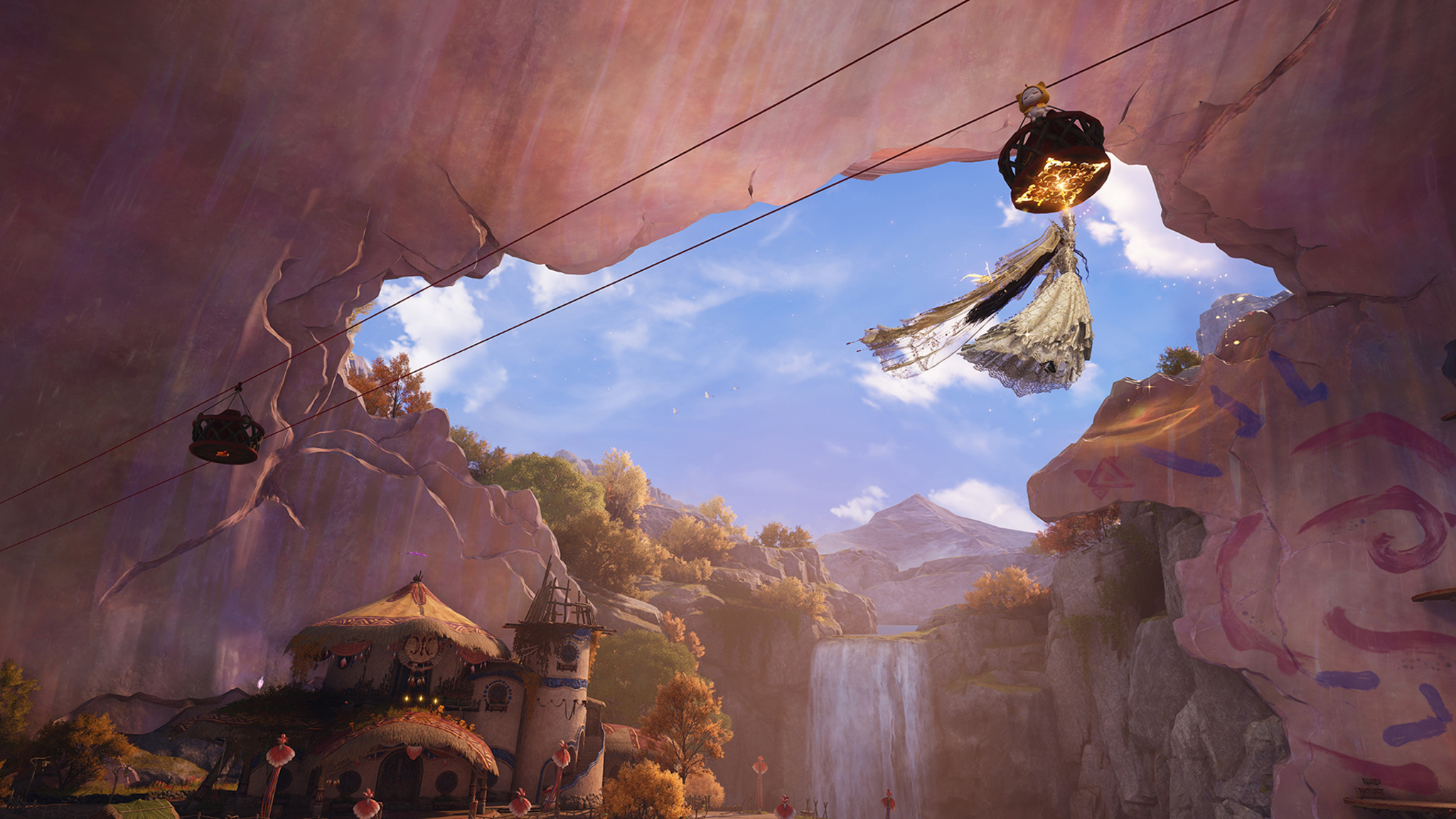
The Engineering of Digital Fashion
For a game where outfits are the primary mechanic, the technical simulation of fabric is paramount. Lead programmer Ade explains that the team began by reconstructing the physical performance of real-world fabrics within the engine. While the developers maintain a physical closet in their office for reference, the goal is not a 1:1 recreation of reality, but rather a “whimsical, fantastic version” of it.
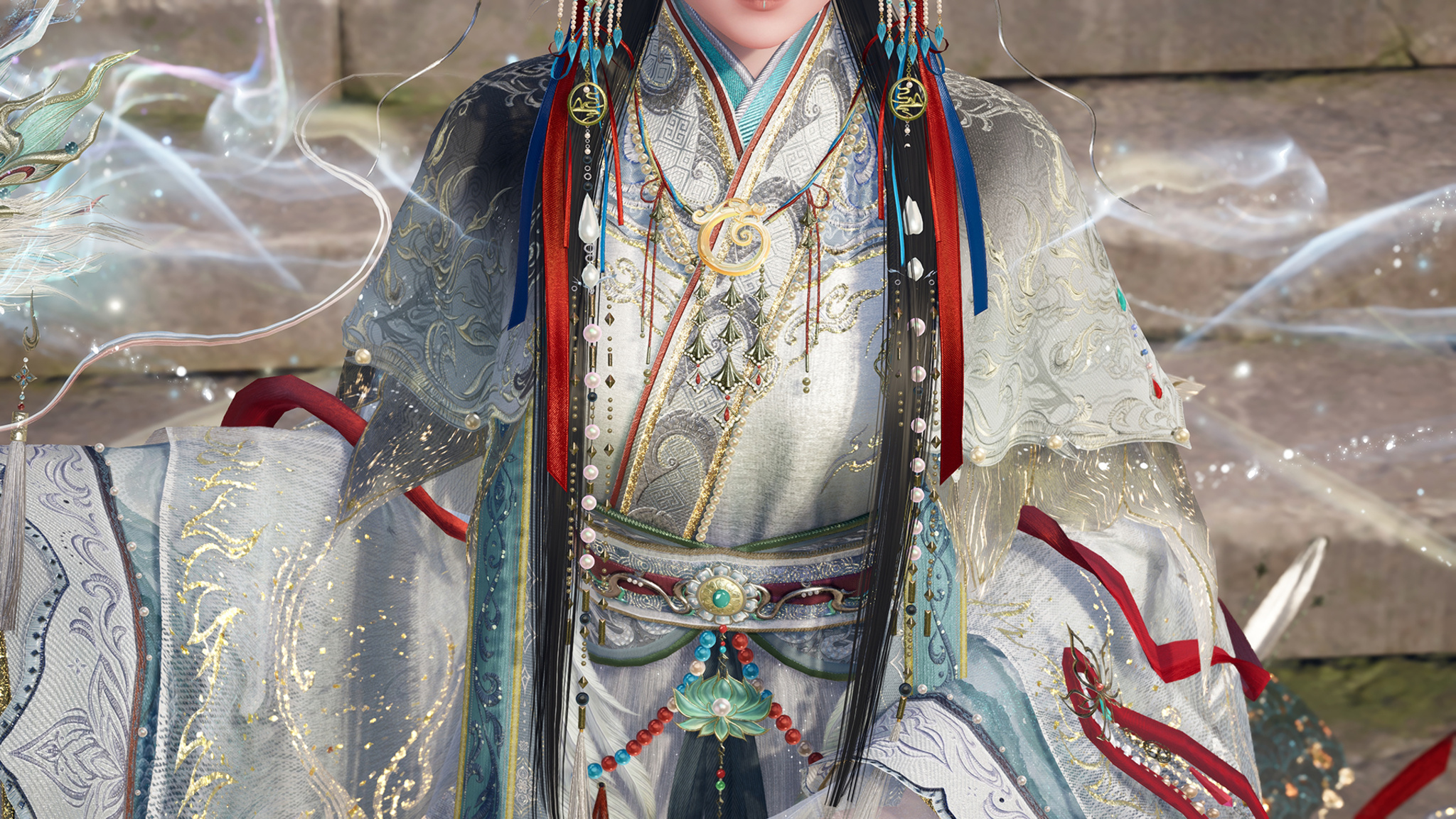
To achieve this, Infold Games implemented a revolutionary material system. At its core is a re-engineered fabric algorithm utilizing four-layer UV blending textures. This allows the team to simulate a vast array of materials—from the coarseness of linen and cotton to the sheen of satin and silk—with minimal parameter adjustments.
One of the most significant technical hurdles in open-world character design is “clipping,” where clothing penetrates the character’s body during movement. To solve this, the team moved away from traditional, unstable collision-based algorithms. Instead, they utilized proprietary skeletal chain algorithms and enhanced cloth solvers through Chaos Cloth, implementing constraint-based algorithms. This ensures that even during dramatic movements, such as Nikki running in a loose dress, the garment maintains its shape and avoids clipping the body.
Atmosphere, Color, and Lighting
Art director Dodie emphasizes that color is the central pillar of the game’s art creation. Here’s evident in the design of specific locations and outfits. For example, the “Snail Ranch” in Itzaland was designed with bright, inviting lighting where sunlight filters through oversized leaves and puddles reflect the deep blue of the sky, creating a fairytale atmosphere.
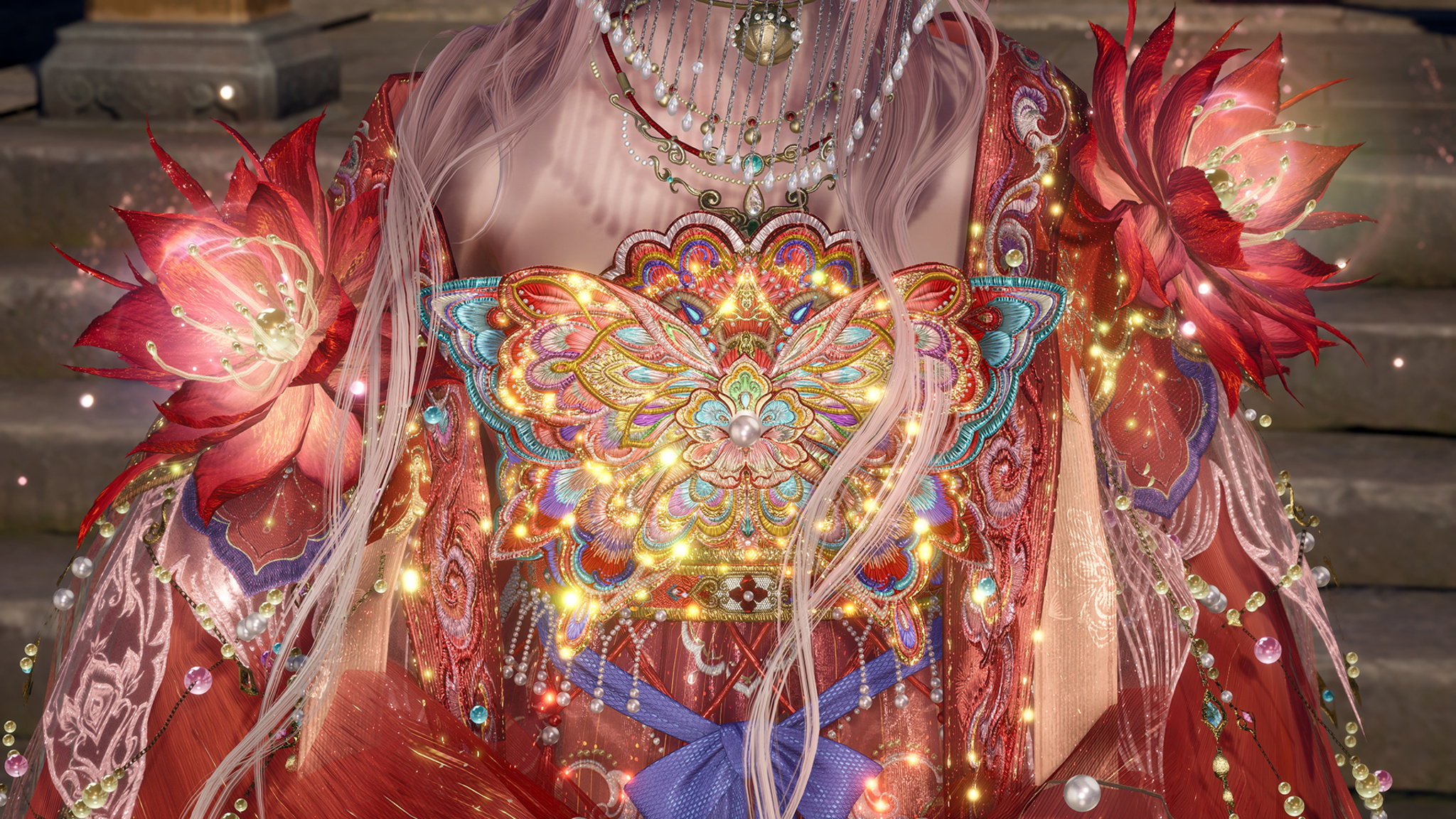
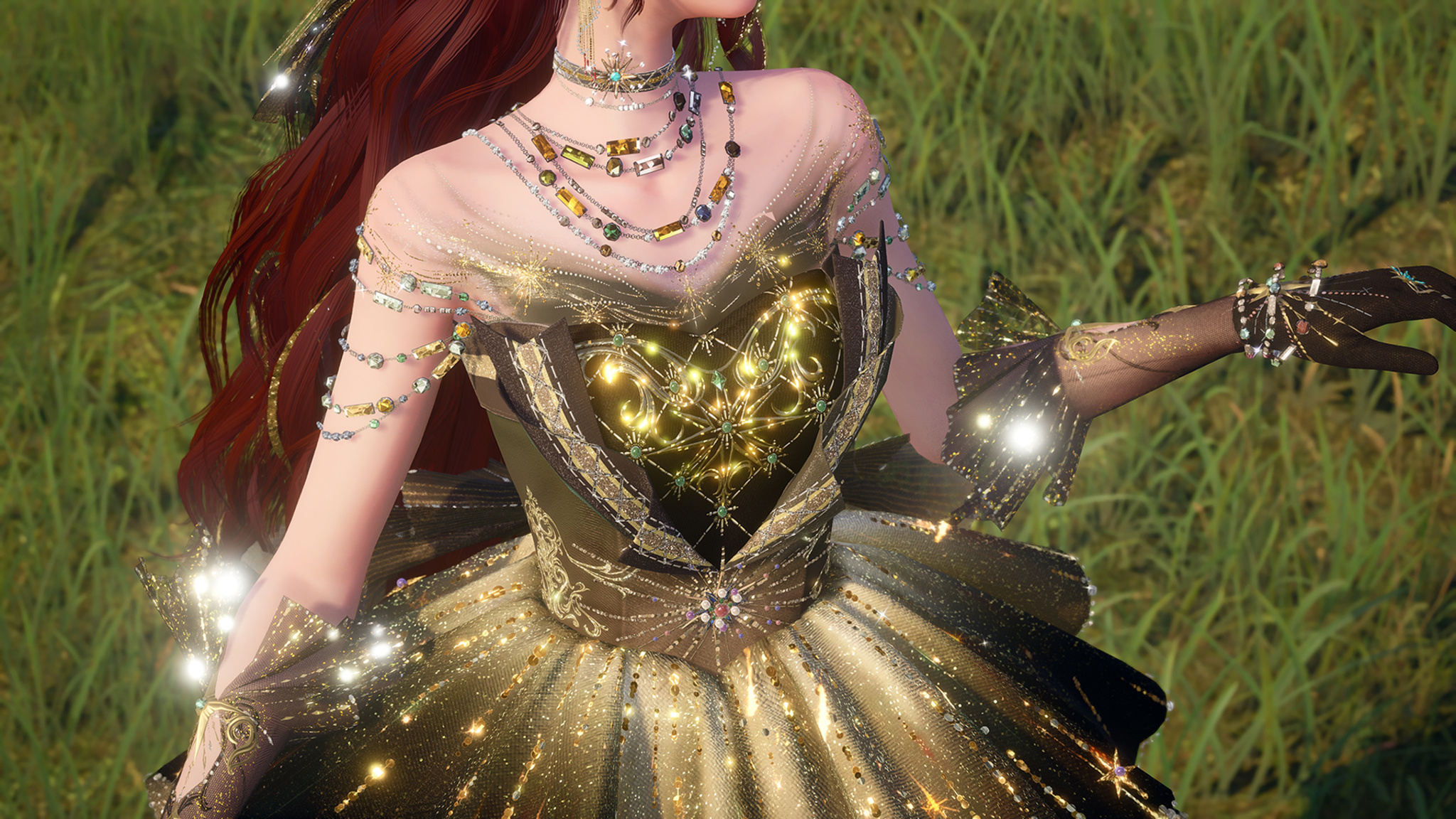
The same attention to detail is applied to the “Behind Prayers” five-star outfit. Designed with the concept of a “confined divine maiden,” the outfit uses a maximalist approach. Gold is used to express sanctity, while touches of green prevent visual monotony. The garment is layered with multicolored gemstones and prismatic sparkle effects that allow it to shimmer even in nighttime environments.
These visuals are further enhanced by advanced shading techniques, specifically Global Illumination, which ensures that lighting interacts naturally with the environment and the complex materials of Nikki’s wardrobe.
Pushing the Boundaries of Material Science
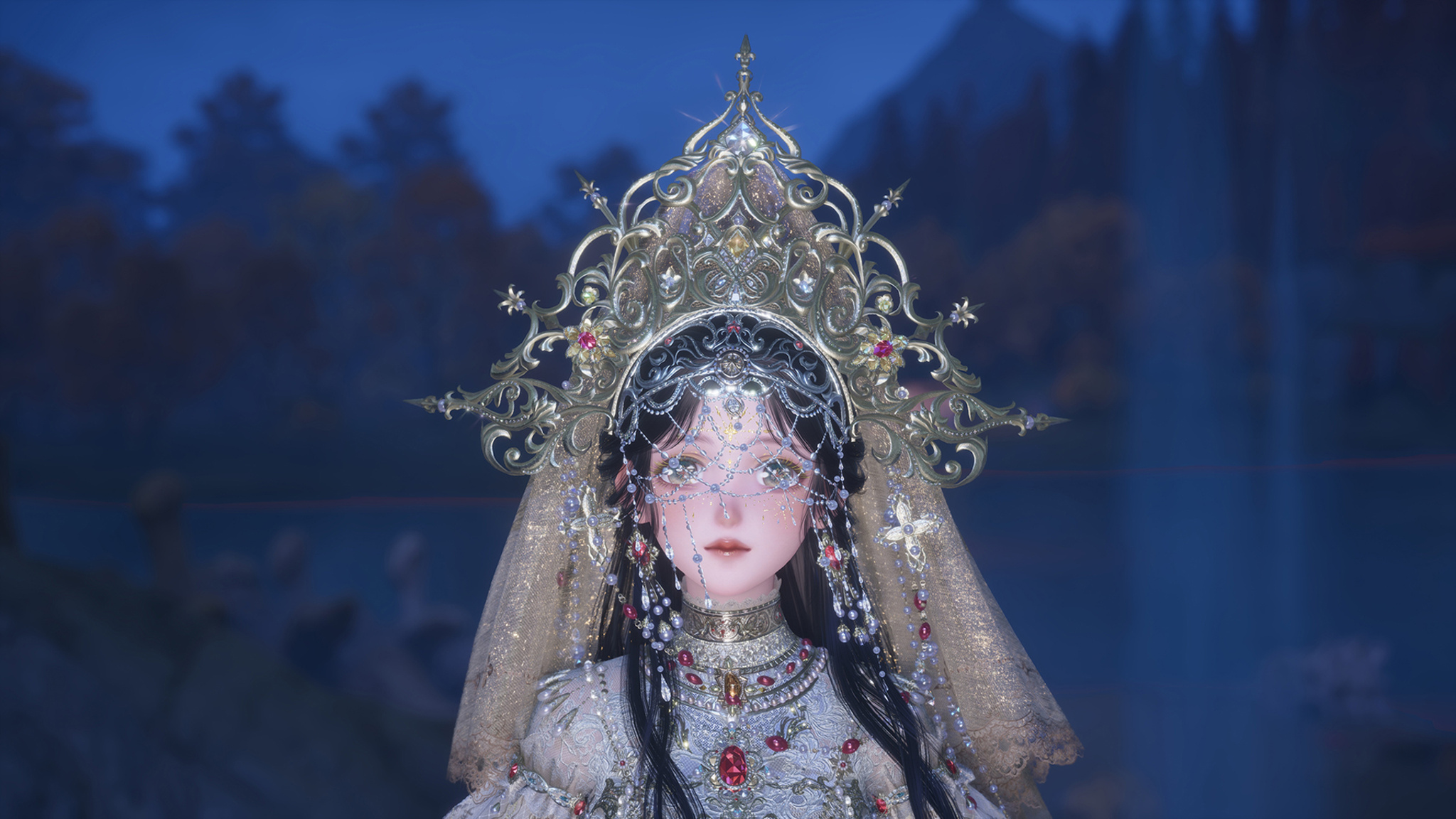
Beyond fabric, Infold Games developed a specialized jewelry material system. This system uses advanced algorithms to simulate the complex refraction and 3S light transmission of gemstones, as seen in the diamonds and pearls of the “Fairytale Swan” outfit.
The team likewise tackled the limitations of Unreal Engine 5’s native motion blur, which often interfered with UV animations. By developing a custom solution, they were able to create crisp, vivid celestial motion effects for outfits like “Threads of Reunion.” This allows for three independent orbits with customizable planetary shapes and trajectories, layered with lunar phase changes and flowing asteroid belts.
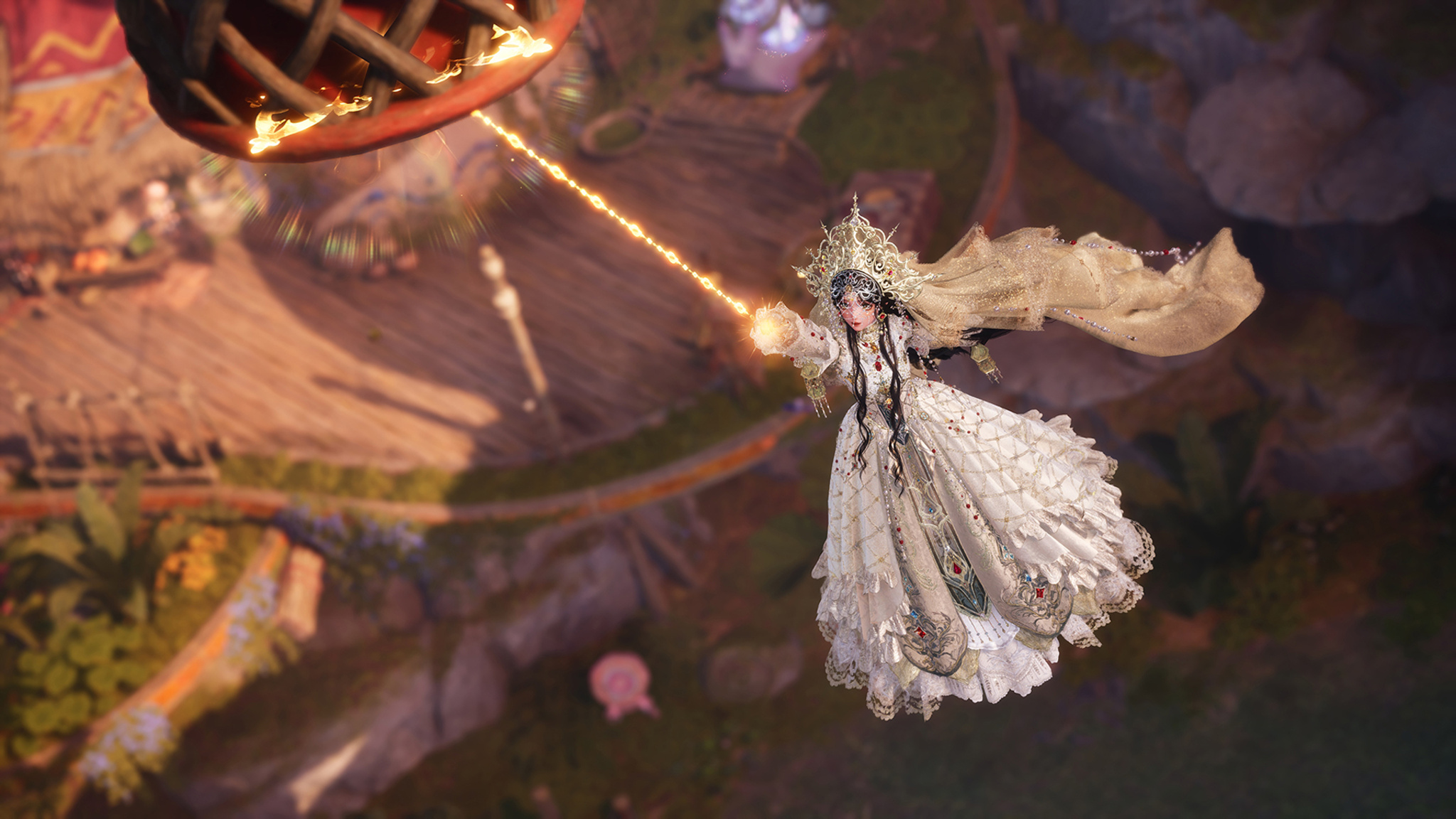
By balancing these high-end visual effects with performance optimization, Infold Games has ensured a consistent experience across multiple platforms, including PS5 and mobile devices.
Technical Summary: The Making of Miraland
| System | Technology Used | Purpose |
|---|---|---|
| World Engine | Unreal Engine 5 | High-fidelity open-world rendering and Global Illumination. |
| Fabric Simulation | 4-layer UV blending / Chaos Cloth | Accurate simulation of cotton, silk, velvet, and flannel. |
| Movement Physics | Constraint-based algorithms | Prevents clothing clipping during dramatic character motion. |
| Gemstone Visuals | 3S light transmission / Refraction | Realistic brilliance for jewelry and pearls. |
| Celestial Effects | Custom UV animation solutions | Crisp planetary orbits and asteroid belts on garments. |
The journey to create this world involved extensive testing, including offline closed beta tests conducted in North America and Japan in May 2024, which helped refine the balance between the RPG elements and the dress-up core.
As Infold Games continues to expand Miraland, the focus remains on the meticulous detail of the “Ability Outfits” and the seamless integration of fashion into gameplay. Players can currently find the title available on PlayStation 5 and iOS devices.
We seem forward to further updates on latest regions within Miraland and additional outfit expansions as the game evolves. Do you suppose the blend of fashion and open-world exploration is the future of the RPG genre? Share your thoughts in the comments below.