
The Prince George’s County Council has taken a decisive step to limit the reach of federal immigration authorities, passing a series of emergency laws designed to safeguard community members and restrict the operations of federal agents within the jurisdiction. The legislative package, which includes four bills and two resolutions, was finalized during a Council meeting on Tuesday, April 7, 2026 Prince George’s County Council.
Central to the latest measures is a concerted effort to curb the impact of U.S. Immigration and Customs Enforcement (ICE) and Customs and Border Protection (CBP). These laws aim to create “safe spaces” and establish strict protocols for how federal agents interact with local government property and personnel. The move comes amid concerns from local leaders regarding the fear and instability caused by immigration enforcement activities in the community.
The legislation was spearheaded by Council Chair Krystal Oriadha (District 7), who hosted a press briefing following the 10:30 AM meeting to detail the economic development and community protection measures. During a bill signing ceremony at approximately 12:30 PM, Chair Oriadha was joined by Vice Chair Eric Olson (District 3) and Council Members Tom Dernoga (District 1) and Wanika Fisher (District 2) to enact the new mandates Prince George’s County Council.
One of the most significant components of the package is the “Community Safe Spaces Act” (CB-6-2026). This emergency legislation restricts the use of county property for immigration enforcement and prohibits federal agents from entering county facilities—including the Prince George’s Community College and the Prince George’s County Memorial Library System—unless they possess a valid warrant or there are extenuating circumstances Prince George’s County Council.
Restrictions on Federal Agent Conduct and Employment
The Council has also implemented strict employment barriers for those associated with federal immigration enforcement. Under bill CB-5-2026, any individual employed by ICE or CBP after October 1, 2025, is banned from future employment at any county agency Prince George’s County Council. This measure, proposed by Council Member Dernoga and Chair Oriadha, effectively prevents former federal immigration officers from transitioning into local government roles after the specified date.

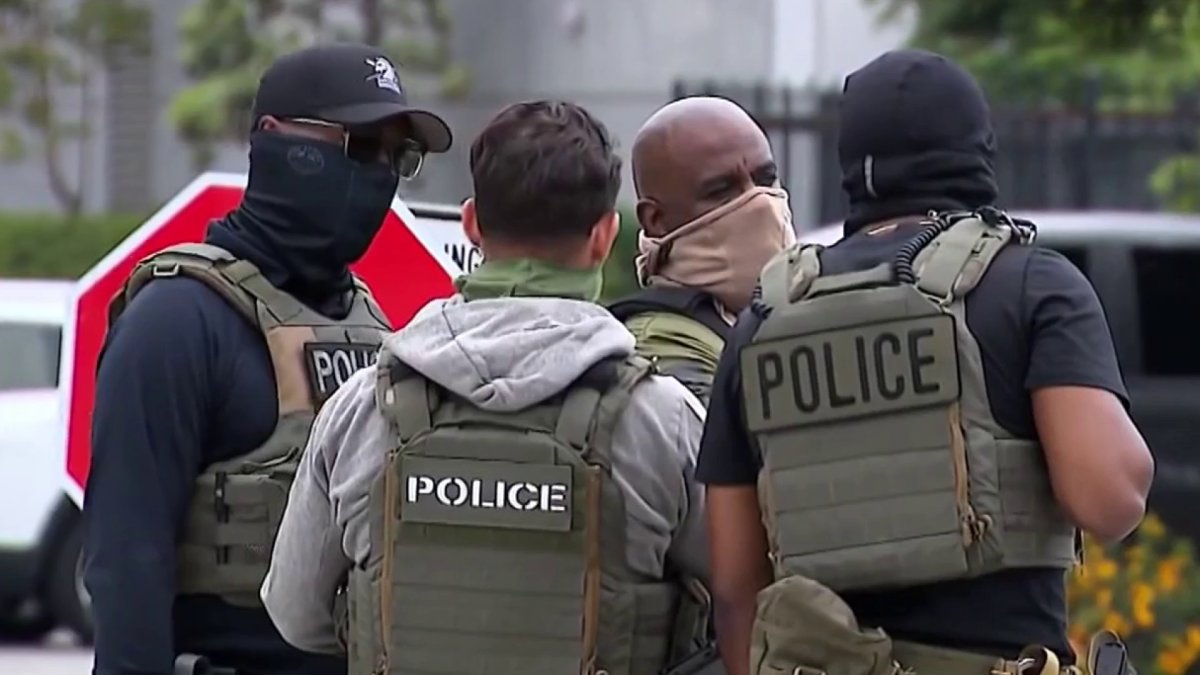
Further restrictions target the visibility and identification of agents. New laws prohibit law enforcement officers from wearing face coverings or masks while interacting with the public, except in instances where such gear is required for safety FOX 5 DC. This is intended to ensure transparency and accountability during field operations.
The legislative package also mandates a specific response from local law enforcement. Prince George’s County police are now required to respond to immigration enforcement activity to document the scene. This includes verifying and recording the names, badge numbers and agencies of the federal officers involved FOX 5 DC.
The Moral and Political Impetus for Reform
The drive for these laws was rooted in what Council Chair Oriadha described as a “moral responsibility.” In statements made regarding the legislation, Oriadha argued that it is “shameful” to place the burden of navigating uncomfortable enforcement situations on civilians when trained, badged officers are available to manage these interactions.
Councilwoman Wala Blegay echoed these sentiments, noting that residents have been “scared to live their daily lives” due to the presence and tactics of ICE. Chair Oriadha further characterized certain federal enforcement methods as “terrorist tactics” that have no place within Prince George’s County.
Beyond the immediate bills, the Council has expressed a desire to increase transparency regarding federal actions by creating a portal to track ICE detentions within the county, providing a centralized record of who is being detained and where.
Opposition and Safety Concerns
While the Council’s reaction has been largely supportive, the legislation has faced criticism from law enforcement representatives. The Fraternal Order of Police indicated that requiring local officers to intervene in federal immigration enforcement could lead to conflict and potentially create safety risks for both local and federal officers.
some residents have voiced the opinion that the presence of ICE remains necessary for maintaining legal order and security. Despite these objections, the Council proceeded with the unanimous approval of the emergency laws to prioritize the protection of the local community.
Key Legislative Summary
| Bill/Resolution | Primary Action | Key Restriction/Mandate |
|---|---|---|
| CB-5-2026 | Employment Ban | Bans county employment for those joining ICE/CBP after Oct 1, 2025 |
| CB-6-2026 | Community Safe Spaces Act | Prohibits federal agents from county facilities without a valid warrant |
| Police Mandate | Verification Protocol | Requires county police to document agent names and badge numbers |
| Mask Ban | Public Interaction | Prohibits face coverings for officers unless required for safety gear |
The immediate effect of these laws marks a significant shift in the relationship between Prince George’s County and federal immigration authorities, establishing a legal buffer intended to protect non-citizen residents and limit the operational freedom of ICE and CBP agents on county soil.
The next phase of this development will involve the implementation of the detention tracking portal and the operational integration of the police verification protocols. We invite our readers to share their perspectives on these local government mandates in the comments section below.