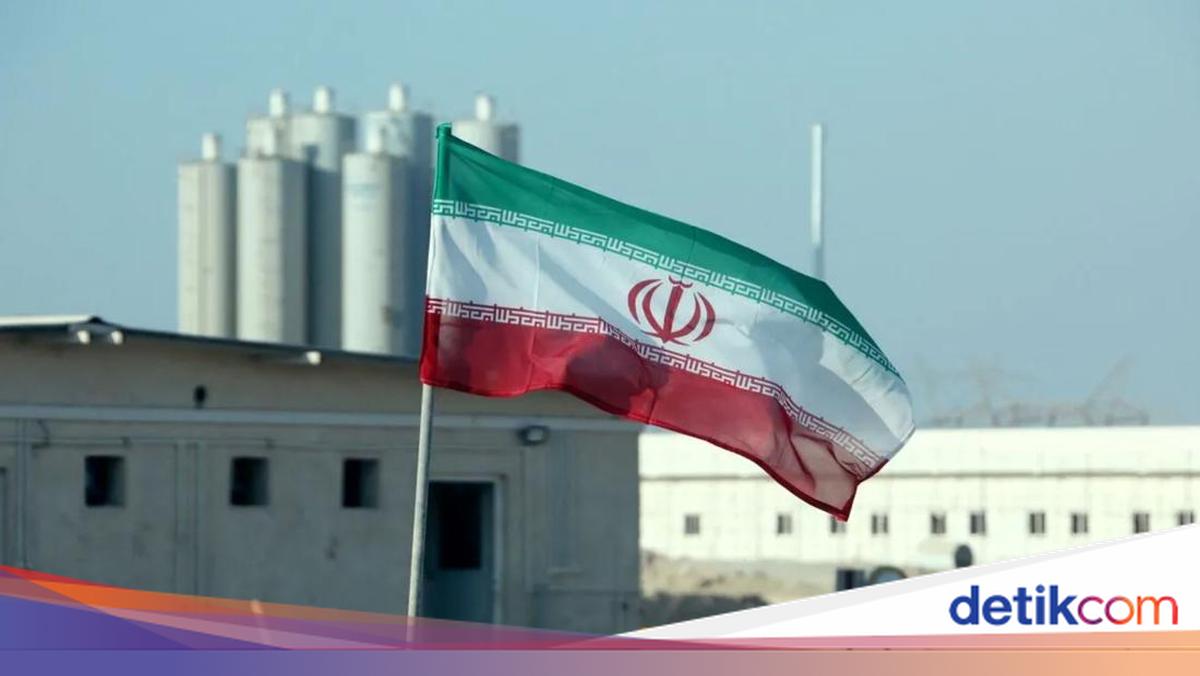
Tensions between the United States and Iran have reached a critical flashpoint as a deadline looms following aggressive rhetoric from the Trump administration. The situation has escalated to a point where reports indicate Iranian civilians are attempting to form “human shields” at power plants to deter potential American military strikes, reflecting a profound level of fear and desperation among the population.
The current crisis is driven by threats from Donald Trump, who has suggested the possibility of wiping out a “whole civilization” in Iran via The New York Times. These statements have created a volatile atmosphere, with the U.S. Weighing the possibility of a deadline extension while Tehran reviews a ceasefire request from Pakistan via Reuters.
As the international community watches closely, the prospect of a massive attack remains a central concern. Trump has doubled down on threats of significant military action via NBC News, leaving the region on edge and prompting unconventional defensive measures by those on the ground in Iran.
The Escalation of Threats and the ‘Human Shield’ Response
The reports of Iranian citizens gathering at power plants to serve as human shields underscore the perceived immediacy of the threat. By placing themselves in the path of potential strikes, these civilians are attempting to make the political and humanitarian cost of an attack too high for the United States to ignore. This tactic is a direct response to the rhetoric suggesting that Iranian infrastructure and the “civilization” itself could be targeted.
The volatility of the situation is compounded by the nature of the threats. Trump’s assertions that Iran could be “destroyed in one night” have shifted the discourse from targeted sanctions or surgical strikes to the possibility of total devastation. This has left both diplomatic channels and civilian populations in a state of high alert.
Diplomatic Deadlocks and the Pakistan Ceasefire
While the military rhetoric intensifies, a complex diplomatic dance continues in the background. The U.S. Is currently evaluating whether to extend the deadline associated with its current ultimatum. Simultaneously, the Iranian government is reviewing a request from Pakistan for a ceasefire, indicating that the conflict’s ripples are extending beyond the immediate U.S.-Iran bilateral tension and affecting regional stability.
This intersection of regional interests suggests that while the primary conflict is between Washington and Tehran, the stability of neighboring states like Pakistan is inextricably linked to the outcome. The review of the ceasefire request may serve as a litmus test for whether diplomacy can still prevail over the threat of total war.
Analyzing the Humanitarian and Geopolitical Risk
The potential for a massive attack carries risks that extend far beyond the borders of Iran. A strike on critical infrastructure, such as the power plants where civilians are currently congregating, would not only cause immediate loss of life but would likely lead to a systemic collapse of basic services for millions of people. The humanitarian fallout of “wiping out” infrastructure would be catastrophic, potentially triggering a refugee crisis and long-term economic instability in the Middle East.
Geopolitically, such an escalation could force other regional powers to take sides, potentially expanding a bilateral dispute into a wider regional conflict. The use of human shields, while a desperate measure, places the U.S. In a position where any military action would almost certainly result in significant civilian casualties, which would likely be condemned by the international community and could further isolate the U.S. On the global stage.
The Role of International Pressure
The global community is currently monitoring the situation with a mixture of dread and urgency. The International Federation of Journalists and other human rights organizations often highlight the importance of protecting non-combatants during such crises. The sight of civilians risking their lives to protect power grids is a stark reminder of the human cost of geopolitical brinkmanship.
Observers are looking for signs of a “de-escalation ramp.” The U.S. Weighing a deadline extension is one such sign, suggesting that there is still a window for a negotiated settlement or a change in behavior from Tehran that could avert a full-scale military engagement.
What Happens Next: Key Checkpoints
The immediate future of the region depends on several critical factors that will unfold in the coming days:
- The U.S. Deadline: Whether the Trump administration decides to extend the current deadline or proceed with military options.
- The Pakistan Request: Tehran’s decision on whether to accept or reject Pakistan’s ceasefire request, which could signal Iran’s current appetite for further escalation.
- Civilian Movements: Whether the “human shield” protests expand to other critical sites or if they are dispersed by Iranian authorities.
- Diplomatic Interventions: Whether third-party nations or international bodies can broker a temporary truce to allow for more formal negotiations.
The next confirmed checkpoint is the U.S. Decision regarding the deadline extension. Until that determination is made, the region remains in a state of precarious uncertainty.
We invite our readers to share their perspectives on this developing crisis in the comments below. How should the international community respond to the threat of “civilizational” warfare? Please share this report to keep the global community informed.
- Apple CEO Transition: John Ternus Faces Supply Constraints & AI Challenges
- Côte d’Ivoire Selects 30 Startups and SMEs Under Startup Act to Build Digital Champions
- Dow Hits Record High as US-Iran Tensions Ease and Amazon Tops $3 Trillion (time.news)
- Trump Administration Begins Systematic Appropriation of Japanese Manga (newsdirectory3.com)