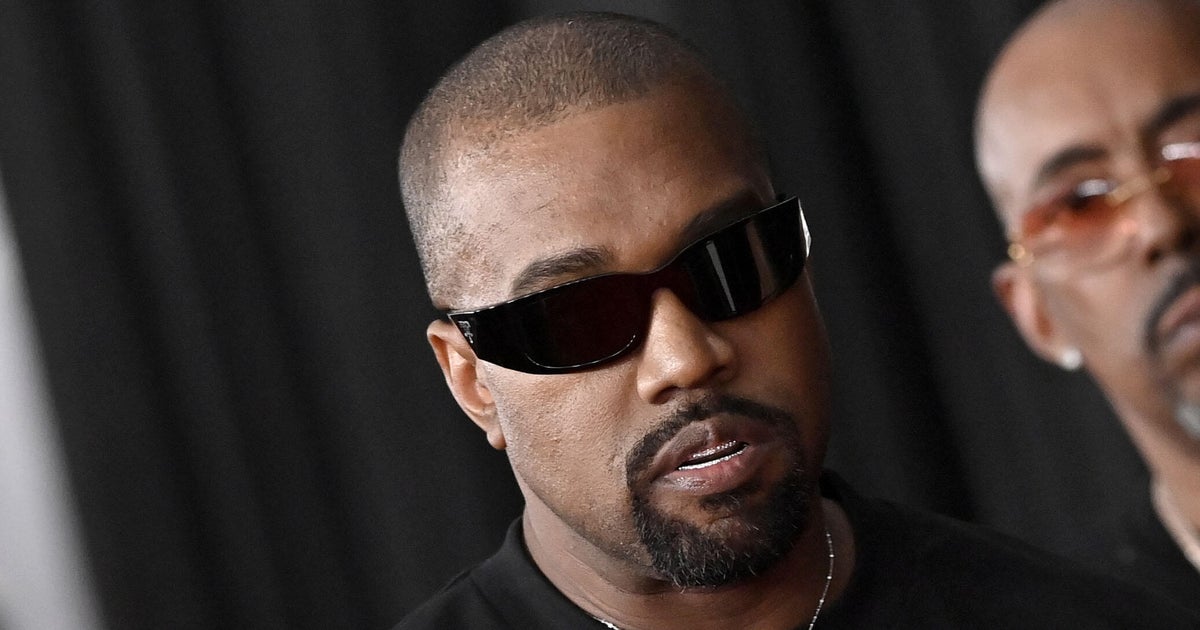
The U.K. Government has barred the rapper Kanye West, who legally changed his name to Ye in 2021, from entering the country, leading to the immediate cancellation of a major London music festival. The decision follows a wave of criticism regarding the artist’s history of antisemitic remarks, prompting officials to determine that his presence would not be conducive to the public good.
The Wireless Festival, a three-day outdoor event scheduled for July 10-12 at London’s Finsbury Park, was cancelled after Ye was denied entry. Organizers announced the cancellation on their website, confirming that those who had already purchased tickets would receive refunds. The event was expected to draw approximately 150,000 attendees over the course of the weekend according to CBC News.
The Home Office revealed that Ye had applied for travel to the U.K. On Monday via an Electronic Travel Authorization (ETA). However, this authorization was subsequently withdrawn. This move comes amid mounting pressure from politicians and sponsors who condemned the rapper’s past rhetoric and his previous expressions of admiration for Adolf Hitler.
U.K. Prime Minister Keir Starmer weighed in on the decision via social media, stating, “Kanye West should never have been invited to headline Wireless. This government stands firmly with the Jewish community, and we will not stop in our fight to confront and defeat the poison of antisemitism. We will always take the action necessary to protect the public and uphold our values.”
The Road to the Travel Ban: Antisemitic Remarks and Controversies
The decision by the U.K. Home Office is rooted in a pattern of behavior and public statements made by the 48-year-vintage artist. Ye has drawn widespread condemnation for making antisemitic remarks and voicing admiration for Adolf Hitler. These controversies reached a peak last year when Ye released a song titled “Heil Hitler” and advertised a swastika T-shirt on his personal website as reported by CBS News.
The fallout from these actions has not been limited to the United Kingdom. Last year, Australian officials also blocked Ye from entering their country following the release of the aforementioned song. This suggests a growing international trend of governments utilizing travel restrictions to address hate speech and public safety concerns.
In an attempt to mitigate the damage, Ye issued a public apology in January via a letter published as a full-page advertisement in The Wall Street Journal. On Tuesday, Ye offered to “meet and listen” to members of the U.K.’s Jewish community in an effort to begin a dialogue.
Impact on the Wireless Festival and Ticket Holders
The cancellation of the Wireless Festival marks a significant blow to the London summer event calendar. The festival organizers stated that multiple stakeholders were consulted before booking Ye and that no concerns were highlighted at the time of the booking. However, the subsequent withdrawal of the ETA by the Home Office left the organizers with no choice but to call off the three-day event.
In a statement issued Tuesday, the festival organizers acknowledged the gravity of the situation: “The Home Office has withdrawn Ye’s ETA, denying him entry into the United Kingdom. Wireless festival is cancelled and refunds will be issued to all ticket holders.” The statement further added that “antisemitism in all its forms is abhorrent” and recognized the personal impact these issues have had on the community via The Guardian.
While Ye was slated to headline all three days of the festival, other acts had not yet been announced at the time of the cancellation. The event would have been Ye’s first set of U.K. Dates in more than a decade.
Key Event Timeline
| Date/Period | Event |
|---|---|
| 2021 | Kanye West legally changes his name to Ye. |
| Last Year | Ye releases “Heil Hitler” and sells swastika T-shirts; Australia blocks his entry. |
| January 2026 | Ye publishes an apology letter in The Wall Street Journal. |
| Monday, April 6, 2026 | Ye applies for travel to the U.K. Via Electronic Travel Authorization (ETA). |
| Tuesday, April 7, 2026 | Home Office withdraws ETA; Wireless Festival is cancelled. |
Understanding the “Public Good” Clause in U.K. Travel
The U.K. Home Office’s decision to block Ye’s entry rests on the legal grounds that his presence would not be “conducive to the public good.” This is a broad discretionary power used by the U.K. Government to prevent individuals from entering the country if their presence is deemed likely to cause public disorder, incite hatred, or undermine national security.
In this instance, the government linked the decision directly to Ye’s history of antisemitic remarks. By citing the “public good,” the Home Office is signaling that the potential for social unrest or the perceived endorsement of hate speech outweighs the artist’s right to enter for a commercial performance.
This move aligns with the stated goals of Prime Minister Keir Starmer’s administration to confront antisemitism and protect the Jewish community. The use of the ETA system allows the government to screen travelers and revoke permission to enter before the individual even reaches the border, providing a preventative measure against potential volatility.
For those seeking further information on U.K. Travel restrictions or the Electronic Travel Authorization process, official guidance can be found through the U.K. Government’s Home Office portal.
As of now, the next confirmed action is the processing of refunds for all Wireless Festival ticket holders. There are no further scheduled appearances for Ye in the United Kingdom.
We aim for to hear from you. Do you believe travel bans are an effective tool for combating hate speech in the arts? Share your thoughts in the comments below and share this story with your network.
Worth a look