For millions of people, certain daily habits are almost subconscious—small, repetitive actions that rarely seem to carry any significant health consequence. However, emerging research is suggesting that one such common habit, the act of picking or scratching the inside of the nose, may have a far more serious connection to neurological health than previously imagined.
Recent scientific findings have proposed a startling hypothesis: there may be a biological pathway that links nasal irritation and the introduction of bacteria to the development of Alzheimer’s disease. While the research is still in its early stages, the mechanism described by scientists suggests that the nose could act as a direct gateway for pathogens to enter the brain, potentially triggering the protein deposits characteristic of dementia.
As a physician and health journalist, I have seen many “breakthrough” claims, but the biological plausibility of this specific pathway—moving from the nasal cavity to the central nervous system—is what makes this study particularly noteworthy. It shifts our understanding of how external environmental factors and hygiene habits might influence long-term brain health.
The Olfactory Highway: How Bacteria Reach the Brain
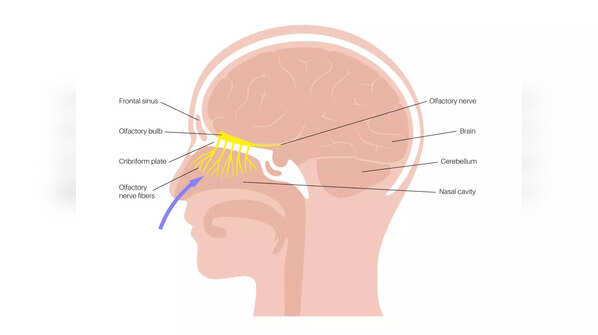
The core of this concern lies in the anatomy of the human respiratory system. According to a study from Griffith University in Australia, researchers have found that bacteria can bypass the blood-brain barrier by traveling directly through the olfactory nerve. This nerve, which is responsible for our sense of smell, extends from the nasal cavity directly into the central nervous system.
In laboratory experiments conducted on mice, researchers demonstrated that Chlamydia pneumoniae—a bacterium typically associated with pneumonia—used this olfactory route to invade the brain . This suggests that any action that compromises the integrity of the nasal lining could potentially facilitate the entry of harmful microorganisms into the brain.
The Link to Beta-Amyloid Proteins
Once these bacteria reach the brain, the body’s immune response may inadvertently contribute to the pathology of Alzheimer’s. The research indicates that when the brain’s cells respond to this bacterial invasion, they may begin depositing “beta-amyloid” proteins. These protein deposits are a primary hallmark of Alzheimer’s disease, forming the plaques that disrupt communication between neurons and lead to the cognitive decline associated with dementia.
Medical reports published in the journal Scientific Reports further support this, noting that experiments on lab mice showed that scratching the nose can cause damage to the internal tissues of the nasal lining . This tissue damage is believed to increase the deposition of beta-amyloid proteins, strengthening the theoretical link between nasal trauma and neurological deterioration.
Understanding the Limits of the Research
It is crucial for the public to understand the current scope of these findings. While the results are provocative, they are based on animal models (lab mice) rather than human clinical trials. As noted in recent reports, this remains a hypothesis that is still under active research . We cannot yet definitively state that picking one’s nose will cause Alzheimer’s in humans, but the study provides a critical “proof of concept” for how the disease might be triggered by external infections.

Alzheimer’s is a complex condition with multiple contributing factors, including genetics, age and lifestyle. However, the discovery of a direct physical pathway from the environment to the brain adds a new dimension to how we view preventative health and the importance of maintaining the body’s natural barriers.
Key Takeaways on Nasal Health and Dementia Risk
- The Olfactory Pathway: The olfactory nerve provides a direct route from the nasal cavity to the central nervous system, potentially bypassing usual brain defenses.
- Bacterial Trigger: Research using Chlamydia pneumoniae in mice suggests that bacteria can travel this route and trigger an inflammatory response in the brain.
- Protein Accumulation: The brain’s reaction to such invasions may lead to the buildup of beta-amyloid proteins, which are central to the development of Alzheimer’s plaques.
- Tissue Damage: Physical irritation or scratching of the nasal lining can damage internal tissues, potentially making it easier for pathogens to enter.
- Current Status: These findings are based on mouse models and are currently considered a research hypothesis rather than a confirmed human medical fact.
While we await more comprehensive human studies to confirm these links, this research serves as a reminder of the intricate connection between our peripheral sensory organs and our cognitive health. Maintaining basic hygiene and avoiding the habit of nasal picking is a simple, low-risk step toward protecting the integrity of the nasal lining.
The scientific community continues to investigate the role of chronic inflammation and infectious agents in the onset of dementia. Further updates on this research are expected as investigators move from animal models to broader epidemiological studies.
Do you have questions about neurological health or preventative habits? Share your thoughts in the comments below or share this article with your network to spread awareness about emerging health research.
Worth a look