Global gold markets experienced a dramatic surge on Wednesday, April 8, 2026, as prices climbed sharply following a strategic diplomatic shift in the Middle East. The rally was triggered by news that the United States and Iran have reached a two-week ceasefire agreement, a move that has significantly altered investor risk assessments and sent capital flowing back into the precious metal.
The gold price today saw a substantial jump, with spot gold prices rising by 3.1% to hit 4,849.01 dollars per ounce according to Post Today. This spike follows a period of intense volatility, reflecting a broader market reaction to the announcement that President Trump has delayed planned attacks on Iran for a fortnight.
In Thailand, the impact was immediate and pronounced. Local markets opened with a sharp increase, with some reports indicating a jump of 1,250 baht. This domestic surge mirrors the global trend, as investors seek safe-haven assets and speculate on the long-term implications of the ceasefire and the associated fluctuations in the U.S. Dollar and energy markets.
As a financial journalist who has spent nearly two decades analyzing global markets, I view this movement not merely as a price hike, but as a complex reaction to geopolitical stability. The intersection of a weakening dollar, plummeting oil prices, and a temporary pause in military hostilities has created a perfect storm for gold bulls, pushing the asset toward levels not seen in weeks.
Geopolitical De-escalation and Market Volatility
The primary catalyst for this rally is the reported ceasefire agreement between the United States and Iran. By announcing a two-week window where attacks would be delayed, the Trump administration has provided a temporary reprieve from the immediate threat of a full-scale regional conflict. This development has led investors to re-evaluate short-term risks and, crucially, has eased concerns regarding energy-driven inflation as reported by Thairath.
The market’s reaction has been swift. Spot gold surged 2.3% to 4,811.66 dollars per ounce in early trading per Thairath data, while U.S. Gold futures for June delivery climbed 3.3%, reaching 4,840 dollars. This follows a previous daily gain of 1.2%, signaling a strong momentum build-up as the market absorbs the news of the diplomatic pause.
The relationship between gold and other assets is particularly evident here. As the ceasefire news broke, oil prices plummeted and the U.S. Dollar weakened. In the world of commodities, a weaker dollar typically makes gold more attractive to holders of other currencies, further accelerating the upward trajectory of the metal’s price.
The Role of the Hormuz Strait and Fed Policy
Despite the current rally, the market remains on edge due to lingering systemic risks. The Strait of Hormuz remains a critical point of tension. any disruption in this narrow waterway could instantly reverse the current optimistic trend. Investors are closely monitoring the “deadline” for the reopening of the strait and any signals regarding the permanence of the ceasefire.
the trajectory of interest rates set by the Federal Reserve continues to be a pivotal factor. Gold, which yields no interest, typically faces headwinds when the Fed maintains high rates to combat inflation. However, the current geopolitical shift has momentarily overshadowed these macroeconomic concerns, allowing speculative capital to drive prices higher.
Analyzing the Price Trend: From March to April
To understand the magnitude of the April 8 surge, It’s helpful to look back at the volatility experienced in early March. On Monday, March 6, 2026, gold prices actually dipped slightly as the market awaited signals regarding the U.S.-Iran standoff. At that time, spot gold fell 0.4% to 4,654.99 dollars per ounce according to Bangkok Biz News.
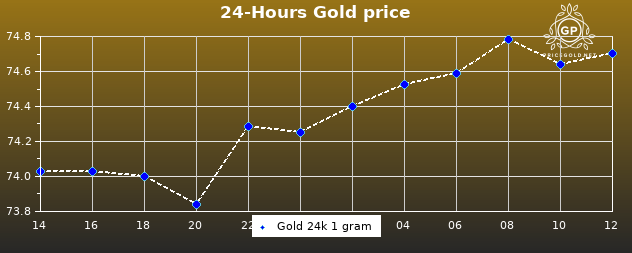
The contrast between the cautious sentiment of early March and the aggressive buying of April 8 highlights how sensitive gold is to specific political triggers. The transition from a “deadline” atmosphere—where the risk of infrastructure attacks was high—to a “ceasefire” atmosphere has shifted the asset’s role from a hedge against immediate war to a vehicle for speculative profit following a diplomatic breakthrough.
| Date | Price (USD/Ounce) | Market Sentiment |
|---|---|---|
| March 6, 2026 | 4,654.99 | Cautious / Waiting for signals |
| April 8, 2026 | 4,849.01 | Bullish / Response to ceasefire |
What This Means for Investors and the Global Economy
For the average investor, the current volatility underscores the importance of diversification. Gold’s ability to spike by over 3% in a single day—crossing the 4,800 dollar threshold—demonstrates its role as the ultimate “crisis” asset. When the world’s two most powerful entities in a region reach a tentative peace, the resulting shift in currency and energy markets often creates a ripple effect that benefits gold holders.
The current situation affects several key stakeholders:
- Institutional Investors: Are likely rebalancing portfolios to account for the potential of a sustained peace or a sudden return to hostilities.
- Retail Traders: In markets like Thailand, the jump of 1,250 baht per baht-weight of gold provides a significant short-term gain for those who held positions through the ceasefire announcement.
- Energy Markets: The drop in oil prices accompanying the gold rise suggests that the market is pricing in a lower risk of supply chain disruptions in the Middle East.
The “Trump-Iran” dynamic has turn into a primary driver of market volatility. The decision to delay attacks for two weeks provides a window of stability, but it also creates a “countdown” effect. The market is now operating on a 14-day clock, where the expiration of this agreement could lead to either a new permanent peace or a renewed surge in volatility.
Key Takeaways for the Current Market
- Immediate Trigger: The U.S.-Iran two-week ceasefire agreement.
- Price Action: Spot gold surged to approximately 4,849.01 dollars per ounce.
- Correlated Factors: A weakening U.S. Dollar and falling oil prices have supported the gold rally.
- Primary Risk: The stability of the Strait of Hormuz and the eventual expiration of the ceasefire.
As we move forward, the next critical checkpoint will be the conclusion of the two-week ceasefire period. Investors should watch for official statements from the U.S. Administration regarding the extension of the truce or any renewed threats of military action. Until then, the gold market is likely to remain highly sensitive to every diplomatic signal emanating from Washington and Tehran.
We invite our readers to share their perspectives on this market shift in the comments below. Do you view this as a long-term trend or a short-term speculative bubble?
Related reading