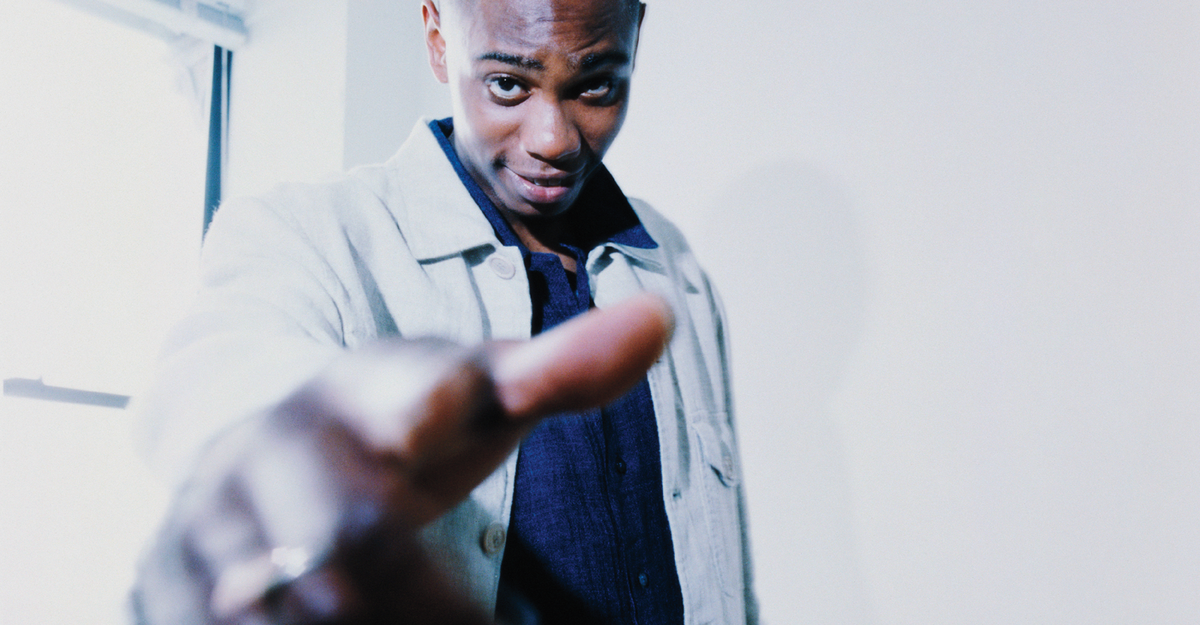
In 1998, long before he became a global icon of counter-culture comedy, Dave Chappelle sat in a room full of network executives at Fox. He was pitching a sitcom based on his own life—a project designed to capture the authentic rhythms and frictions of a young Black comedian navigating America. The response he received was a textbook example of the “universal” mandate. Executives suggested the show was “too Black,” advising him to replace the Black female lead with a white actress and add more white characters to ensure a broader appeal.
Chappelle’s refusal to dilute his vision was more than a creative choice; it was a confrontation with the invisible gatekeepers of American entertainment. He noted at the time that the experience sent a clear message to Black artists: regardless of talent or the network’s existing reliance on Black viewers, white approval remained the primary currency for success. This tension—between the desire for authentic representation and the pressure for “crossover appeal”—has defined the evolution of Black comedy for over a century.
The central question facing Black comedians has rarely been about whether they are funny, but rather who the laughter is intended for. For decades, the industry has fluctuated between two poles: comedy as a bridge for racial reconciliation and comedy as a sanctuary for the Black experience. While the former often secures the biggest contracts and the widest distribution, the latter often preserves the integrity of the art.
To understand this trajectory, one must look past the polished veneer of the modern streaming special and into the historical struggle to move beyond caricature. The journey from the burnt cork of the minstrel era to the unapologetic satire of the 21st century is not a straight line, but a series of hard-won battles over who gets to define the joke.
The Architecture of Crossover Appeal
The late 1980s and 1990s marked a golden era for Black sitcoms on network television. Shows like Living Single, Martin, and The Fresh Prince of Bel-Air brought Black domesticity and professional life into millions of homes. On the surface, this was a victory for representation. Yet, this “crossover” success often came with an unspoken set of rules. To be marketable to a “universal” audience, Blackness was frequently framed as a tool for the growth of white characters or presented in a sterilized, middle-class format that avoided the more jagged edges of racial reality.
This era of “whiteness-plus” multiculturalism often prioritized a safe version of diversity. In many scripts, Black characters served as the “diverse friend” whose primary role was to validate the protagonist’s worldliness. While shows like The Fresh Prince of Bel-Air did occasionally puncture this bubble—such as in episodes highlighting the systemic profiling of Black drivers regardless of their socioeconomic status—the overarching goal was often integration through assimilation.
Even the most successful shows faced internal censorship. Keenen Ivory Wayans, the creative force behind the groundbreaking sketch show In Living Color, which premiered in 1990, reportedly struggled with network meddling and censorship at Fox. The conflict stemmed from a fundamental disagreement: Wayans wanted to push the boundaries of racial satire, while the network wanted to maintain a level of comfort for the mainstream viewer.
From Minstrelsy to Mastery: The Ancestral Line
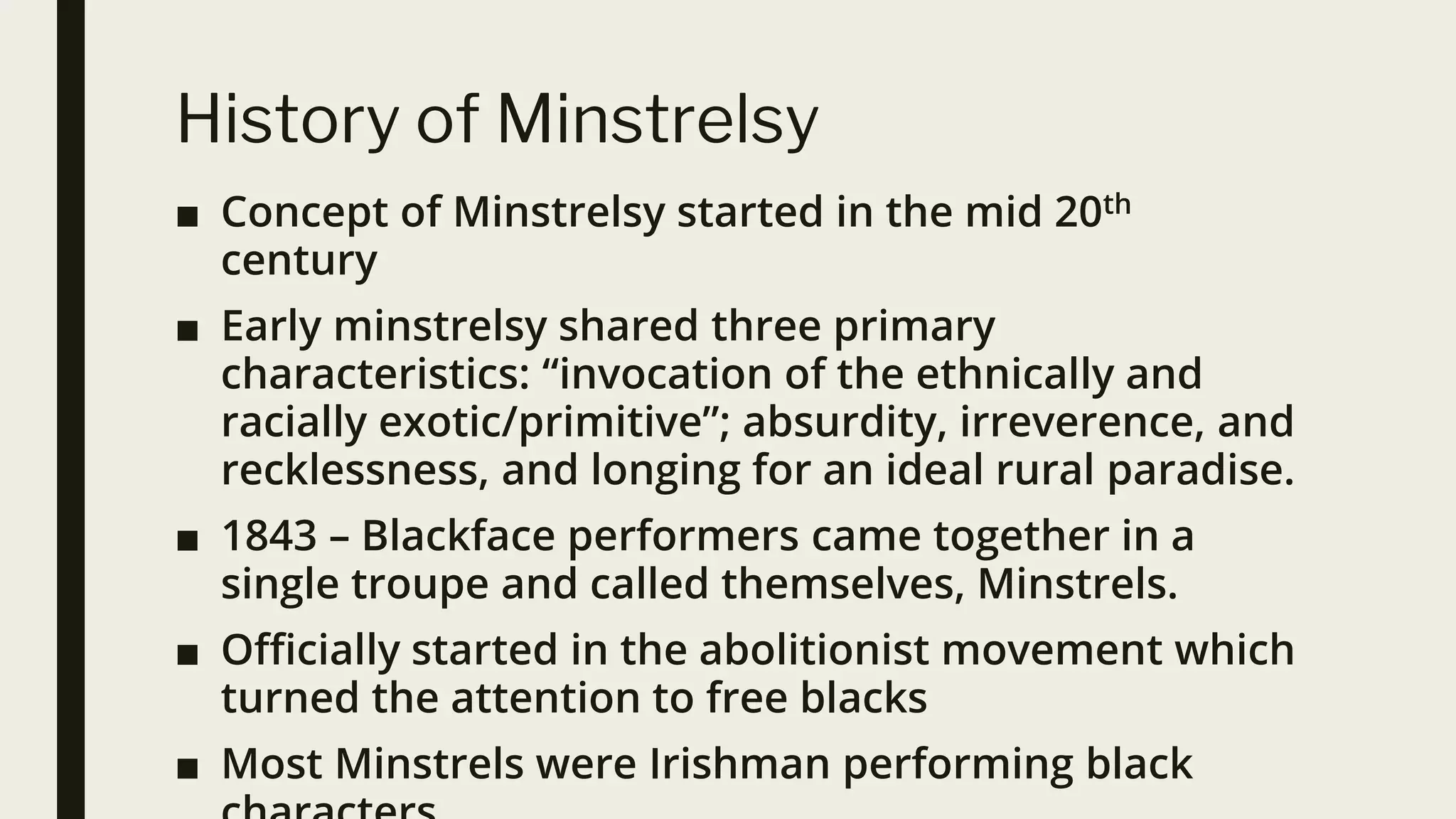
The path to modern fearlessness was paved by performers who had to navigate the most restrictive environments imaginable. The history of Black comedy begins in the shadow of the minstrel show, where performers like Bert Williams and George Walker achieved immense popularity while wearing blackface—a cruel irony where Black artists had to perform a white caricature of Blackness to be seen at all.
The subversion began in small, calculated increments. Figures like Hattie McDaniel and Moms Mabley used “winking” humor to play within stereotypes while subtly mocking the people who created them. McDaniel, the first African American to win an Oscar, famously noted the disparity between her on-screen roles as a maid and her off-screen reality, suggesting she would rather play a maid than actually be one.
By the mid-20th century, the mask began to slip. Dick Gregory and Redd Foxx brought a brash, confrontational energy to the stage, but it was Richard Pryor who fundamentally altered the DNA of American comedy. Pryor moved away from the “safe” jokes of the Vaudeville tradition and leaned into a raw, self-dissolving style of storytelling that addressed racial violence, poverty, and the absurdity of the Black experience in America with surgical precision.
Pryor’s legacy was the liberation of the Black comic from the need to be “likable” to a white audience. He proved that specificity—diving deep into the particularities of Black life—could actually create a more profound form of universality. By being intensely specific, he became globally resonant.
The Chappelle Paradox
If Richard Pryor broke the door down, Dave Chappelle walked through it and then set the house on fire. When Chappelle’s Show debuted on Comedy Central in 2003, it represented a seismic shift in televised comedy. Chappelle ignored the “universal” mandate that Fox had tried to impose on him years earlier. Instead, he utilized extreme satire and internal Black community jokes, refusing to translate them for the white viewer.
The result was a cultural phenomenon. By leaning into the absurdity of racism—exemplified by the “Racial Draft” sketch—Chappelle captured a diverse audience precisely because he stopped trying to please everyone. He used the platform to challenge the viewer’s comfort level, often using provocative language and taboo subjects to highlight the hypocrisy of American racial dynamics.
However, the paradox of Chappelle’s success was that it eventually led to the very “mainstream” pressure he detested. By 2005, the show had become so popular that Chappelle felt his message was being misinterpreted. He feared that the people who were the targets of the jokes were laughing at the wrong things, or that the show had become a tool for the very stereotypes he sought to dismantle. In a move that stunned the industry, he walked away from a reported $50 million contract to regain his creative and personal autonomy.
The Parallel Economy of Black Humor
While network television often celebrates the “crossover” hit, there has always existed a parallel ecosystem of Black comedy that operates entirely outside the gaze of white gatekeepers. This is the terrain of the “Black-only” audience—spaces where the humor doesn’t need to be explained, translated, or softened.
Shows like BET’s Comic View and Def Comedy Jam served as vital incubators for this style of comedy. They launched the careers of performers who became legends within the Black community but remained relatively unknown to the general white pop-culture consciousness. This parallel economy allowed for a level of raw, unfiltered expression that network TV would never permit.
Perhaps the most striking example of this model is the work of Tyler Perry. While critics often debate the artistic merit of his productions, the commercial reality is undeniable. Perry built an empire by speaking directly to a specific demographic, bypassing the traditional Hollywood approval process. This is evidenced by the longevity of his work; Tyler Perry’s House of Payne stands as one of the longest-running Black sitcoms in history, having aired over 400 episodes.
The success of these projects suggests that “fearlessness” in comedy isn’t always about confronting a white audience; sometimes, it is about the courage to ignore that audience entirely. When a comedian creates specifically for their own community, the art is no longer a vehicle for racial reconciliation—it is a mirror for self-recognition.
Comedy in the Age of Atomization
Today, the landscape of the evolution of Black comedy is shifting again. The era of the “big network” is fading, replaced by the atomization of streaming services and short-form video platforms like TikTok and Instagram. This shift has removed many of the traditional gatekeepers, allowing comedians to build direct relationships with their audiences.
However, this new freedom comes with new complexities. In the absence of a single “mainstream” standard, comedy has become more polarized. Dave Chappelle’s return to the spotlight via Netflix has highlighted a new tension: the conflict between traditional “edge” and modern sensibilities regarding gender and identity. His recent controversies regarding jokes about the transgender community and Jewish people demonstrate that the “fearlessness” of the past is now colliding with new social imperatives.
the political climate has changed the stakes of racial humor. In an era of open political polarization, jokes about race land differently than they did in the 1990s. The “safe” crossover appeal of the past now looks like complicity, while the raw satire of the past can be misinterpreted as hate speech in a digital environment that lacks context.
Key Takeaways: The Tension of the “Universal” Joke
- The Crossover Trap: For decades, “universal appeal” was often code for “acceptable to white audiences,” forcing Black comedians to dilute their perspectives for mainstream success.
- Specificity as Power: From Richard Pryor to Dave Chappelle, the most enduring Black comedy has reach from an embrace of specificity rather than a pursuit of broadness.
- Parallel Success: A robust ecosystem of comedy exists (e.g., Tyler Perry, BET) that thrives by serving Black audiences exclusively, proving that mainstream approval is not a prerequisite for longevity.
- The Gatekeeper Shift: While streaming and social media have removed network censors, they have introduced new pressures related to digital cancel culture and ideological polarization.
the history of Black comedy is a history of autonomy. Whether it is the subtle subversions of Hattie McDaniel or the explosive disruptions of Dave Chappelle, the goal has consistently been the right to be an individual rather than a representative. The most revolutionary act a Black comedian can perform is not necessarily to make a white audience laugh, but to make a Black audience feel seen—on their own terms, without apology.
As the medium continues to evolve, the industry will likely see a further move away from the “crossover” model toward a more fragmented, specialized landscape. The question is no longer “Who is Black comedy for?” but rather, “Which version of the truth is this comedian telling?”
The next major checkpoint for the industry will be the continued shift toward creator-owned platforms, where the financial and creative risks are borne by the artists themselves rather than network executives. This transition promises a new era of authenticity, provided the artists can navigate the volatile waters of the digital age.
Do you believe that “crossover appeal” still hinders authentic storytelling in comedy, or has the streaming era finally broken those barriers? Share your thoughts in the comments below.
Keep reading