
Finding the perfect balance between style and podiatric health often feels like a compromise, especially when searching for the best slides for women. For many, the appeal of a slip-on shoe lies in its convenience, but without proper structural support, these “easy” options can lead to significant foot fatigue or exacerbate existing conditions like plantar fasciitis.
As a physician and health journalist, I have seen how the wrong footwear can impact overall mobility. While a style writer may prioritize the aesthetic of a slide, the medical reality is that the foot requires specific points of support—particularly in the arch and heel—to maintain proper alignment during movement. When we discuss “shoes that don’t hurt your feet,” we are really talking about the intersection of ergonomic design and material science.
The market for comfort-focused footwear has expanded rapidly, moving beyond purely clinical orthopedic shoes into “lifestyle” options. From high-arch support brands recommended by podiatrists to specialized slip-ons designed for those with limited mobility, the goal is to reduce the strain on the plantar fascia and the joints of the ankle.
The Importance of Arch Support in Slip-On Footwear
Not all slides are created equal. Many fashion-forward options feature a completely flat sole, which provides zero support for the medial longitudinal arch. This lack of support can cause the foot to overpronate, potentially leading to pain in the arches, heels and even the lower back.
For those seeking a more sustainable choice for their feet, consulting a podiatrist can provide a strategic starting point. Experts often recommend shopping for brands specifically engineered with high levels of arch support to ensure that the foot’s natural contours are maintained Travel + Leisure. This is particularly critical for travelers or those who spend long hours on their feet, where cumulative fatigue can lead to injury.
When evaluating slides, look for “contoured” footbeds. A contoured sole mimics the shape of the foot, distributing weight more evenly across the sole rather than concentrating pressure on the heel and ball of the foot. This distribution is key to avoiding the “hurting” sensation often associated with cheap, flat flip-flops.
Addressing Specific Foot Conditions: Plantar Fasciitis and Daily Wear
For women dealing with plantar fasciitis—an inflammation of the thick band of tissue that runs across the bottom of the foot—the choice of footwear is not just about comfort; It’s a matter of pain management. The primary goal is to reduce tension on the plantar fascia.
Orthopedic comfort is often achieved through a combination of deep heel cups and firm arch support. Some specialized designs, such as those seen in Orthofeet’s range, focus on providing orthopedic comfort specifically for plantar fasciitis and daily wear notiexpressdemexico.com. These features aid stabilize the foot and prevent the fascia from overstretching during each step.
Hands-free slip-on technology is another innovation that benefits those with limited dexterity or those who simply seek a seamless transition into their shoes. By removing the need to bend over or pull at the heel, these designs reduce the physical strain associated with putting on footwear, making them a practical choice for a wide demographic of users.
Choosing Shoes for All-Day Standing
The requirements for a “house slide” are very different from the requirements for a shoe intended for standing all day. When a person stands for extended periods, the feet undergo significant compression. This is why gear editors and health professionals emphasize the need for superior cushioning and structural integrity Forbes.
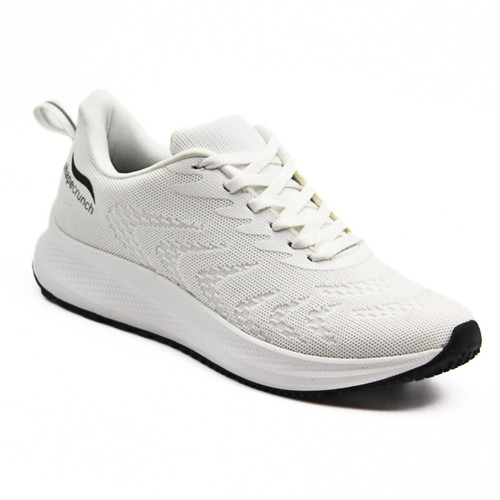
Key features to look for in a high-performance slide or slip-on include:
- Shock Absorption: Materials that can absorb the impact of each step to protect the joints.
- Breathability: To prevent moisture buildup, which can lead to skin irritation.
- Traction: A sturdy outsole to prevent slips, especially in professional or travel environments.
- Adjustable Straps: Since foot swelling is common throughout the day, slides with adjustable components can be modified to fit the foot’s changing volume.
Key Takeaways for Selecting Comfortable Slides
- Prioritize Arch Support: Avoid completely flat soles to prevent overpronation and heel pain.
- Look for Orthopedic Features: For conditions like plantar fasciitis, seek out contoured footbeds and deep heel cups.
- Consider Use-Case: Differentiate between lightweight indoor slides and supportive outdoor footwear meant for standing all day.
- Consult Professionals: When in doubt, follow recommendations from podiatrists regarding specific brands known for structural support.
While the search for the best slides for women often begins with a style preference, the long-term health of your feet depends on the science behind the shoe. By prioritizing arch support and orthopedic comfort, you can enjoy the ease of a slip-on without sacrificing your physical well-being.
For those seeking further guidance on footwear, we recommend monitoring updates from podiatric associations and healthcare providers regarding new ergonomic standards in footwear design.
Do you have a favorite brand of supportive slides, or a tip for managing foot pain during long trips? Share your experiences in the comments below.
Related reading