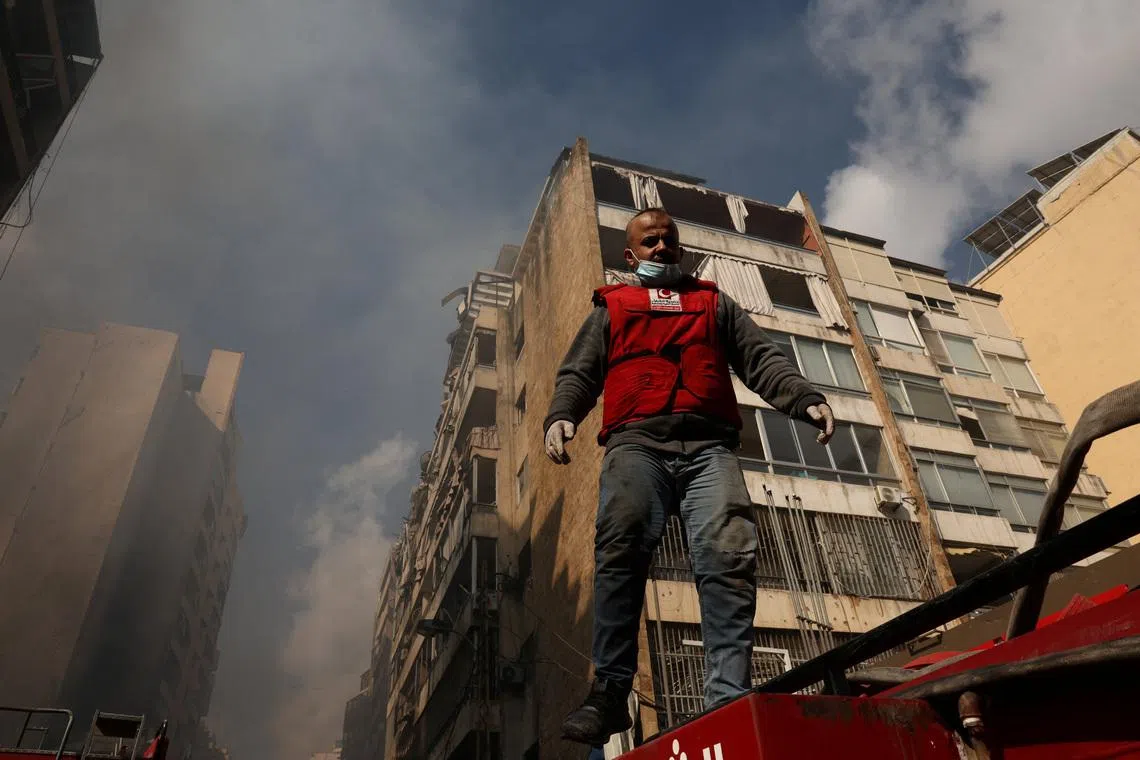
The United Nations has issued a sharp condemnation of a massive wave of Israeli strikes across Lebanon, describing reports of hundreds of casualties, including civilians, as “appalling.” The escalation comes at a critical juncture for regional stability, occurring just hours after a ceasefire was announced between the United States and Iran.
Farhan Haq, the deputy spokesman for the UN Secretary-General, stated that the United Nations “strongly condemns the strikes by Israel across Lebanon that resulted in significant civilian casualties,” according to reports from The Times of Israel. The international body’s reaction underscores the volatile nature of the current conflict, where localized escalations continue to threaten broader diplomatic efforts.
The strikes in Lebanon follow nearly 40 days of intense hostilities across the Middle East, a period characterized by widespread damage to critical infrastructure and rising civilian death tolls. Although the UN has welcomed the recent US-Iran ceasefire as a potential step toward a broader peace, the ongoing violence in Lebanon highlights the fragility of the current security landscape, as detailed by UN News.
The UN Response to Casualties in Lebanon
The UN’s reaction on Wednesday focused heavily on the scale of human suffering resulting from the Israeli military operations. The organization characterized the reports of hundreds of people being killed and injured as “appalling,” reflecting a deep concern for the protection of non-combatants in the region, as reported by Reuters.
This condemnation is part of a wider humanitarian alarm. The top humanitarian official in Lebanon has been tasked with briefing reporters in New York to provide further clarity on the ground situation and the immediate needs of the affected populations. The UN’s focus remains on the “significant civilian casualties” caused by the strikes against Hezbollah and other targets within Lebanese territory.
Fragile Peace: The US-Iran Ceasefire Context
The timing of the strikes is particularly significant given the diplomatic breakthrough reached between Washington and Tehran. A two-week ceasefire between the United States and Iran was announced on April 8, 2026, aiming to halt the hostilities that had plagued the region for over a month. This ceasefire was intended to provide a window for diplomacy and a reduction in regional tensions.
However, the immediate eruption of strikes in Lebanon suggests that a ceasefire between two major powers does not necessarily translate to an immediate cessation of hostilities among other regional actors. The UN Secretary-General has welcomed the US-Iran agreement, but the continued Israeli strikes and mass casualties in Lebanon serve as a stark reminder that the path to a comprehensive regional peace remains obstructed.
Key Regional Developments
- US-Iran Agreement: A two-week ceasefire has been established following nearly 40 days of intense hostilities.
- Lebanese Crisis: Massive Israeli strikes have resulted in reports of hundreds of casualties, prompting an “appalling” designation from the UN.
- Humanitarian Impact: Widespread damage to critical infrastructure and rising civilian deaths have been reported across the Middle East.
What This Means for Regional Stability
The dichotomy between the US-Iran ceasefire and the escalating violence in Lebanon creates a complex geopolitical environment. While the ceasefire reduces the risk of a direct superpower confrontation in the Middle East, the continued strikes against Hezbollah indicate that local conflicts remain active and potentially explosive.
The international community is now looking toward the humanitarian briefings in New York to determine the extent of the damage and whether the current ceasefire can be expanded to include other warring parties. The fragility of the situation is evident; a single escalation in Lebanon could potentially undermine the tentative trust established between the US and Iran.
For those seeking further updates on the humanitarian situation, the UN continues to provide live coverage and briefings via its official news channels and the UNWebTV feed.
The next critical checkpoint for the region will be the progression of the two-week US-Iran ceasefire and the subsequent reports from the UN’s top humanitarian official regarding the scale of the crisis in Lebanon.
We invite our readers to share their perspectives on these developments in the comments section below.
Keep reading