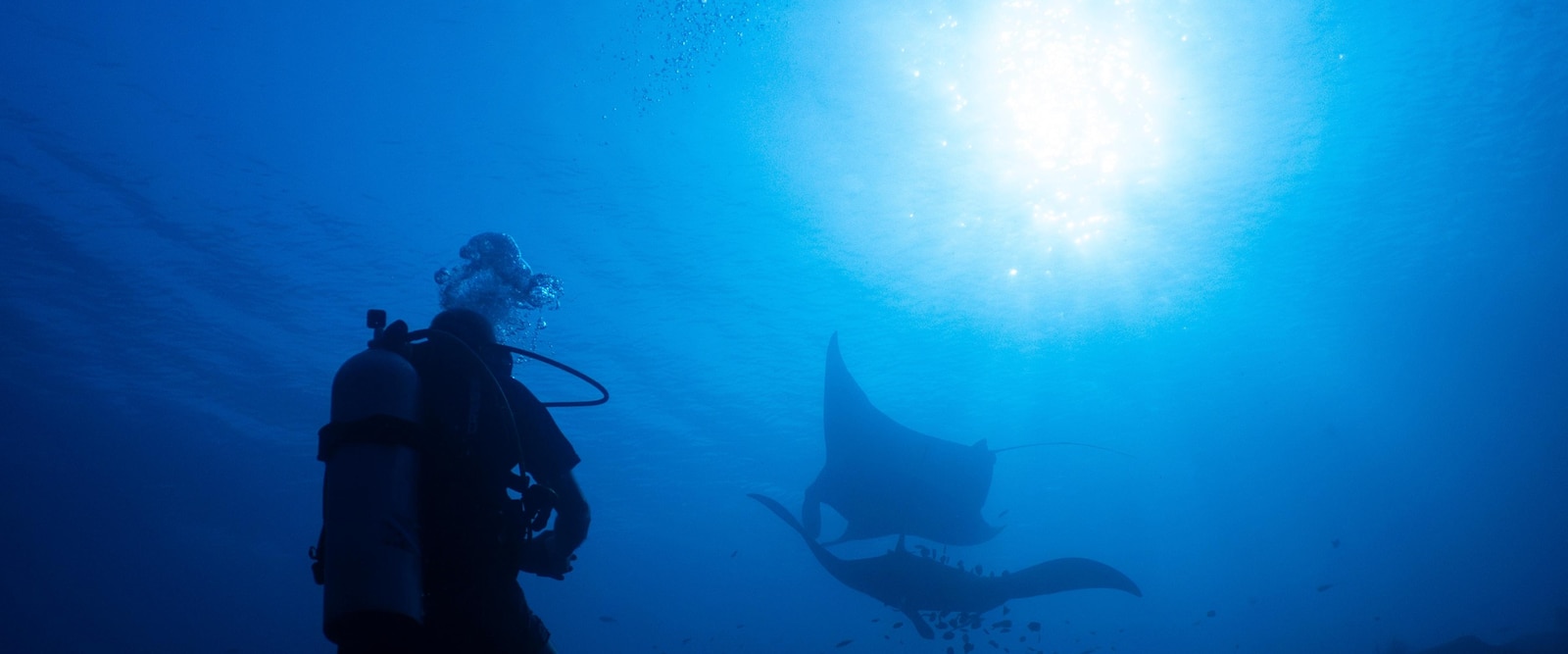
Deep within the waters of Southwest Papua, Indonesia, lies one of the most ecologically significant regions on the planet. The Raja Ampat Islands, an archipelago of over 1,500 small islands, cays, and shoals, serve as a critical epicenter for global marine biodiversity. This remote paradise, often referred to as the “Four Kings,” is where the Pacific and Indian oceans collide, creating a unique environment that supports thousands of species of marine organisms.
However, the preservation of this diverse marine ecosystem is increasingly becoming a focal point of tension. As the world looks toward the “Coral Triangle”—an area containing the richest marine biodiversity on earth—the balance between environmental protection and industrial pressure becomes a precarious struggle. The archipelago’s status as a biodiversity hotspot makes it a primary target for both conservationists and those seeking to exploit the region’s natural resources.
The region is anchored by four main islands: Misool, Salawati, Batanta, and Waigeo, along with the smaller island of Kofiau Raja Ampat Islands – Wikipedia. These waters are home to everything from the smallest cleaner shrimp and camouflaged pygmy seahorses to majestic cetaceans and whale sharks. Because of this extraordinary density of life, the area is regarded as a “diving playground” and a critical site for oceanographic study.
While the beauty of the region draws intrepid scuba-divers and eco-tourists, the underlying geopolitical and economic pressures of the province of Southwest Papua create a complex backdrop. The transition of the region’s administration—formerly part of West Papua province—highlights the shifting political landscape in which these environmental protections must operate.
The Ecological Significance of the Coral Triangle
Raja Ampat is more than just a tourist destination; it is a cornerstone of the Coral Triangle. This vast area, spanning the seas west-southwest of the Philippines, east-northeast and southeast of Borneo, and around New Guinea, is recognized as the global center of marine biodiversity. The intersection of currents and the varied geography of the archipelago provide the ideal conditions for a massive array of species to thrive.
Below the surface, the ecosystem is characterized by an “explosion of color,” where majestic lionfish, purple pufferfish, turtles, dolphins, and sharks coexist. The biological richness extends above the waterline as well, with exotic birds and gigantic colorful butterflies inhabiting the rugged, raw landscapes of the islands. This interconnectedness between terrestrial and marine life makes the region uniquely vulnerable to industrial disruptions.
The biodiversity is so concentrated that the region is often described as the closest thing to paradise on earth. For the local communities, such as those in Arborek Village, the ocean is not just a resource but the heart and soul of their existence. The friendliness and openness of the Papuan people reflect a deep-seated connection to their environment, despite the “tricky political situation” and hardships faced in the region.
Economic Shifts and the Accessibility of Papua
For decades, Raja Ampat remained one of the most remote corners of Indonesia. Access was largely limited to expensive liveaboard dive boats sailing from Maluku or Komodo, making it a destination reserved for luxury travelers or the most intrepid backpackers. However, by 2025, the region has turn into significantly more accessible, opening the door to a wider variety of visitors and, different economic pressures.

The shift in tourism infrastructure has seen a rise in community-based hospitality. Travelers can now stay with Papuan families in palm-thatched homestay bungalows, providing a more sustainable and affordable alternative to luxury resorts. While local boat travel and accommodation remain relatively expensive compared to other parts of Southeast Asia, this shift toward community-led tourism offers a potential buffer against more destructive industrial interests.
Despite these developments, the pressure to monetize the region’s natural wealth remains a constant threat. The tension between maintaining a “secret paradise” and the drive for industrial expansion—particularly in mining—creates a clash of priorities. When industrial interests target the northwest tip of the Bird’s Head Peninsula, the runoff and environmental degradation can threaten the very reefs that sustain the local economy and global biodiversity.
The Human Element: Community and Conservation
The success of ocean protections in Raja Ampat depends heavily on the people who inhabit the islands. The local population, estimated at 66,839 as of mid-2022, lives in a region with a very low population density of approximately 8.32 people per square kilometer Raja Ampat Islands – Wikipedia. This sparse distribution allows for a unique relationship between the inhabitants and the land, but it also makes them vulnerable to the influence of large-scale industrial projects.
Local residents have shown remarkable resilience. Despite the political complexities of Southwest Papua, the communities remain welcoming and open. This social cohesion is vital for the implementation of marine protected areas. When local villages are integrated into the conservation model—benefiting from sustainable tourism rather than short-term industrial gains—the likelihood of long-term ecosystem survival increases.
The challenge lies in the scale of the pressure. Mining interests often operate on a national or international level, whereas conservation efforts are frequently localized. The struggle to protect the “Four Kings” is therefore not just a biological battle, but a political one, requiring a balance between the administrative goals of the Raja Ampat Regency and the ecological needs of the Coral Triangle.
Key Takeaways on Raja Ampat’s Ecosystem
- Global Biodiversity Hub: Located within the Coral Triangle, Raja Ampat contains some of the richest marine life on Earth, including whale sharks and rare pygmy seahorses.
- Geographic Scope: The archipelago consists of over 1,500 islands, with the four primary islands being Misool, Salawati, Batanta, and Waigeo.
- Administrative Transition: Since 2024, the region has been part of the newly formed province of Southwest Papua.
- Tourism Evolution: The area has shifted from being accessible only via luxury liveaboards to offering community-based homestays.
- Environmental Threat: The primary conflict involves the clash between the need for ocean protections and the pressures of industrial mining in the Papua region.
As of the current reporting period, the region continues to operate under the administration of the Raja Ampat Regency, which was separated from the Sorong Regency in 2004. The ongoing management of these waters will determine whether the “explosion of color” beneath the surface remains a reality or becomes a memory lost to industrial expansion.
The next critical checkpoint for the region will be the continued implementation of provincial environmental mandates under the Southwest Papua government. We encourage our readers to share this story and comment on the balance between economic development and environmental preservation in the comments below.
Keep reading